What's The Difference Between Pla And Pla Plus

Okay, picture this: I'm at a maker faire, drooling over all the 3D-printed gizmos. I strike up a conversation with a dude proudly showing off his meticulously crafted phone stand. "That's amazing!" I gush. "What material did you use?" He beams, "PLA! The best, you know?" And then, another maker wanders over, snorts (a little dramatically, I thought), and says, "PLA? Amateur. Should've used PLA+." I just stood there, feeling like I'd stumbled into a secret society with its own weird vocabulary. What even is PLA+, and why was it apparently superior?
Turns out, that little maker faire drama perfectly illustrates the confusion around PLA and PLA+. They're both 3D printing materials, but they're not exactly the same. Think of it like this: PLA is your basic, everyday coffee. PLA+? That's the same coffee, but with an extra shot of espresso and maybe a dollop of whipped cream. (Okay, maybe not exactly, but you get the idea.)
So, What's the Actual Difference?
Let's break it down, shall we? PLA (Polylactic Acid) is a bioplastic, meaning it's derived from renewable resources like cornstarch or sugarcane. That's why it's often touted as being more environmentally friendly than other plastics. It's relatively easy to print with, making it a popular choice for beginners and hobbyists. It has a lower melting temperature, which also helps avoid warping.
Must Read
PLA+ (also often called PLA Pro or PLA Plus) is, essentially, an enhanced version of PLA. Manufacturers add additives during the manufacturing process to improve certain properties. This isn’t regulated though, so the composition of PLA+ and the amount of improvement can vary from brand to brand. Keep that in mind!
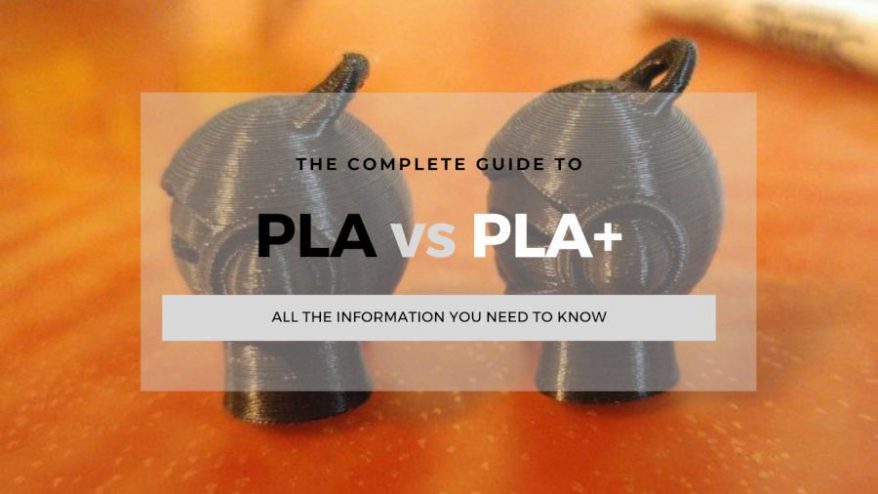
Strength & Toughness: This is where PLA+ really shines. PLA, while decent, can be a bit brittle. Drop a PLA-printed object, and it might just crack. PLA+, thanks to those magical additives, is typically significantly stronger and more impact resistant. So, if you're printing something that needs to withstand a bit of abuse, PLA+ is generally the better choice. (Like, say, a phone stand that's destined to be knocked off your desk a few times… just sayin’.)

Printing Temperature: PLA typically prints at a slightly lower temperature range than PLA+. However, this isn't a huge difference and is usually manageable. Always, always check the manufacturer's recommendations for the specific filament you're using. Seriously. Don’t skip this step!
Brittleness: As mentioned, PLA can be brittle. Imagine trying to bend a dry spaghetti noodle – snap! PLA+ generally has better layer adhesion and is less prone to cracking or breaking under stress.
Print Quality: Many users report that PLA+ produces smoother, more detailed prints with less warping and stringing. That's the whipped cream on top of your espresso, folks. Aesthetically pleasing prints are always a win, right?
The Downside of PLA+
Okay, everything sounds amazing with PLA+, so why doesn't everyone just use that all the time? Well, a few reasons:
Price: PLA+ is usually a bit more expensive than standard PLA. It’s not a massive difference, but it can add up if you're printing a lot. Do your math, and see if the added benefit is worth the added cost.
Brand Variance: As I said earlier, because there’s no defined standard, the "plus" aspect of PLA+ can vary significantly between brands. One brand's PLA+ might be amazing, while another might not be much better than regular PLA. Read reviews, do your research, and maybe even try a few different brands before settling on one.
Which One Should You Use?
Alright, here's the million-dollar question. (Okay, maybe it's more like the ten-dollar question, considering the price of filament.)
- Choose PLA if: You're a beginner, you're printing decorative items that don't need to be super strong, or you're on a tight budget.
- Choose PLA+ if: You need stronger, more durable parts, you want better print quality, or you're printing functional parts that will be subjected to stress.
Ultimately, the best way to decide is to experiment and see what works best for your specific needs and your printer. Don't be afraid to try both and see the difference for yourself! And hey, maybe you'll even impress some maker faire attendee with your superior 3D printing knowledge. (Just don’t be a snob about it, okay?) Happy printing!