What's The Difference Between Bronze And Brass
Hey! So, you're wondering about bronze and brass, huh? It's like, they're both shiny and metal-y, but definitely not the same. Think of them as cousins, not twins. Let's dive in, shall we?
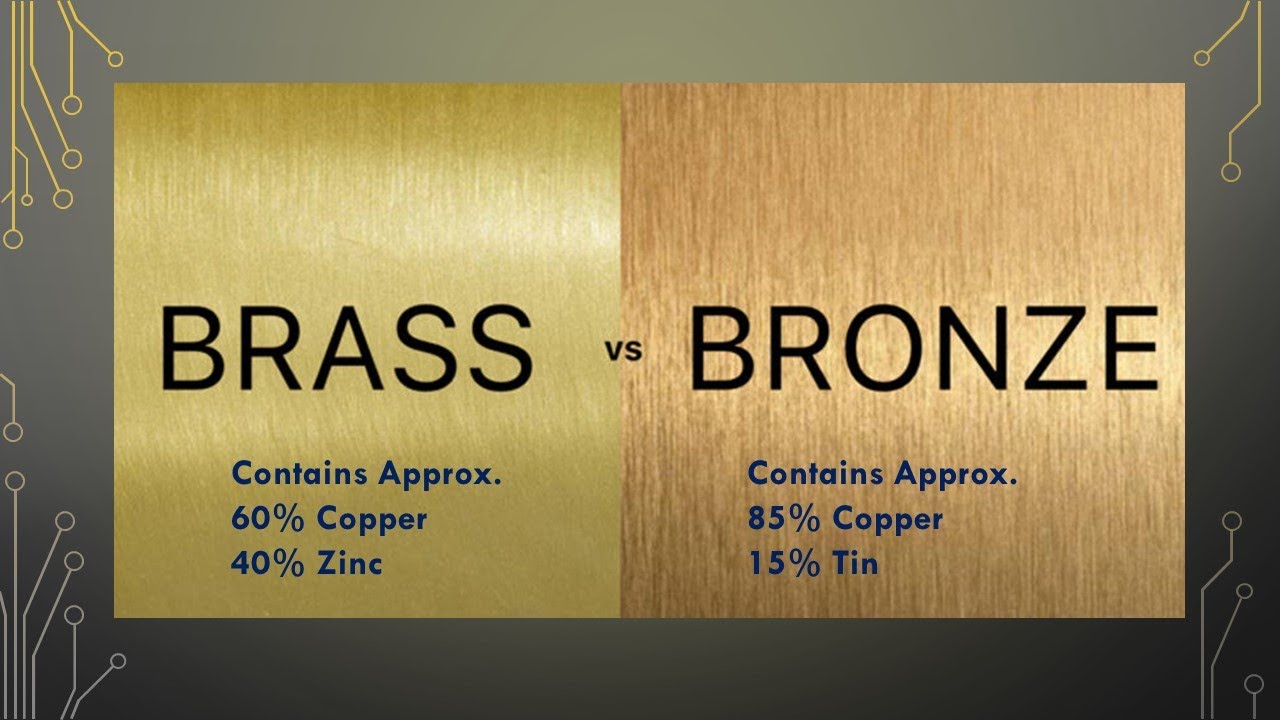
Basically, both bronze and brass are alloys. What's an alloy? It's just a fancy word for a mix of metals. Think of it like a metal smoothie! Now, the specific ingredients in these metal smoothies is what makes them different.
Brass: Copper's Zesty Buddy
Brass is primarily made of copper and zinc. Copper is usually the star of the show, making up the bulk of the mix, with zinc playing a supporting role. Think of zinc as that slightly quirky friend who adds a little spice to the party. You know, the one who wears mismatched socks? That's zinc for ya!
Must Read
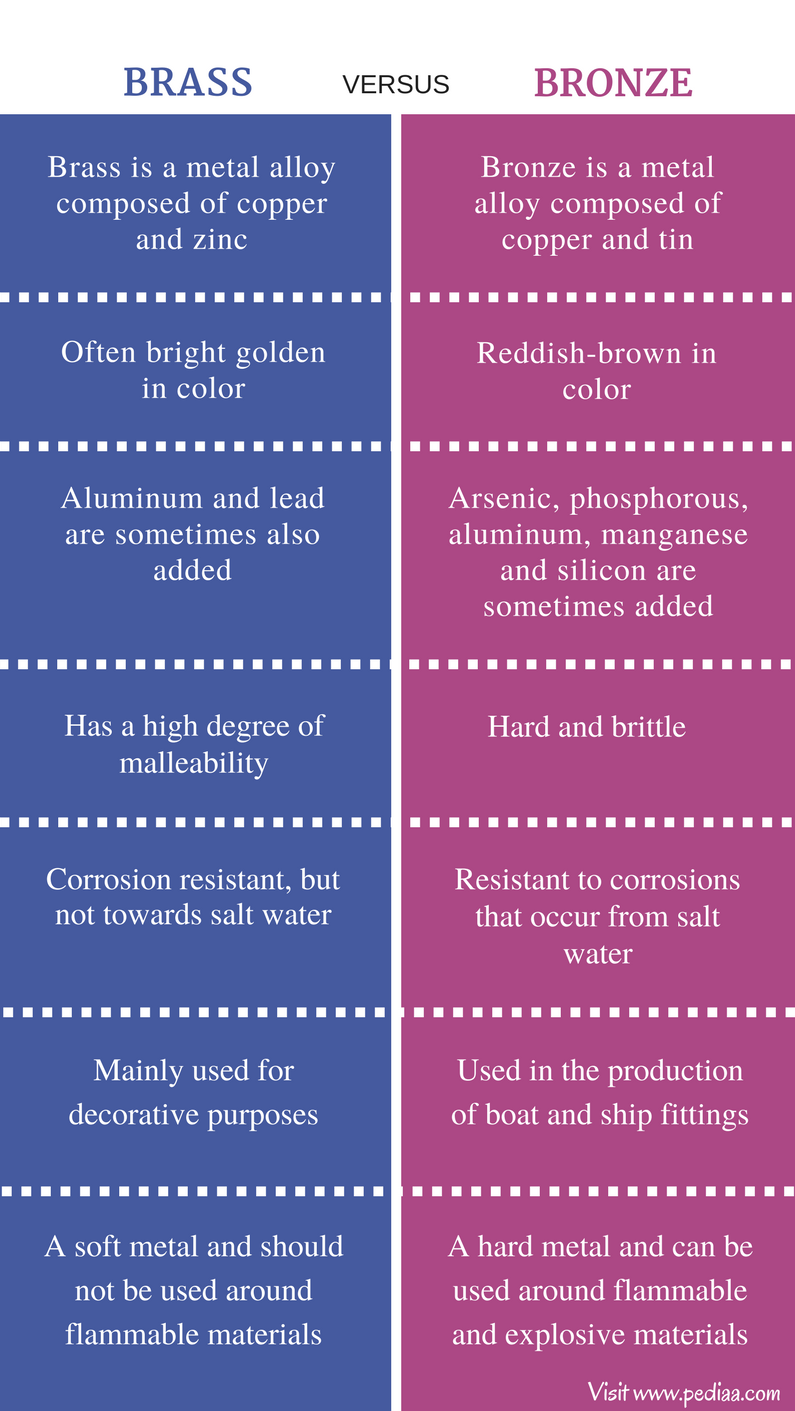
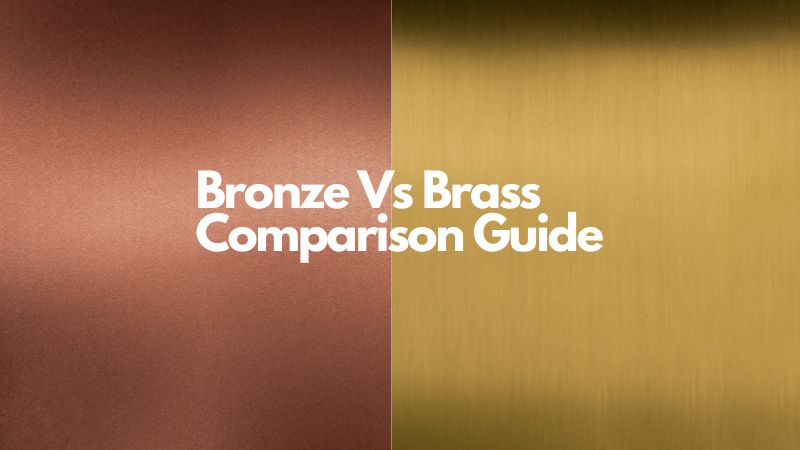
What does this copper-zinc combo get you? Well, brass is known for its bright, gold-ish color. It’s that classic look you see in, like, trumpets or old doorknobs. But don't be fooled, brass can range from a reddish gold, to nearly silver depending on how much zinc is added! Fancy, right?
And get this: brass is super easy to work with. It's relatively soft and ductile, meaning it can be shaped and molded without too much fuss. (Unlike some other metals that are, ahem, divas.) That's why it's often used in plumbing fixtures, musical instruments, and decorative items. Pretty cool, huh?
Bronze: Copper's Ancient Sidekick
Now, let's talk about bronze! Bronze is also mostly copper, but instead of zinc, its main partner in crime is tin. You might've heard of tin from tin cans, although those are usually steel with a thin tin coating these days. Anyway, tin gives bronze a unique set of properties.
Bronze tends to have a more reddish-brownish hue compared to brass's gold-ish glow. Think ancient statues and old ship parts. The color can vary depending on the other elements added, but that more muted tone is classic bronze.

Here's where it gets interesting: Bronze is tougher and more corrosion-resistant than brass. I mean, seriously tough. That's why it was a go-to material for weapons and tools back in the, you guessed it, Bronze Age! (Hence the name. Groundbreaking, I know!)
Plus, bronze has this amazing property called low metal-on-metal friction. What does that even mean? It means that it’s less likely to cause sparks when it rubs against other metals. This makes it perfect for things like bearings and bushings, which are used in machinery. Fancy, right?
So, To Recap!
Okay, let's nail this down in super-simple terms:
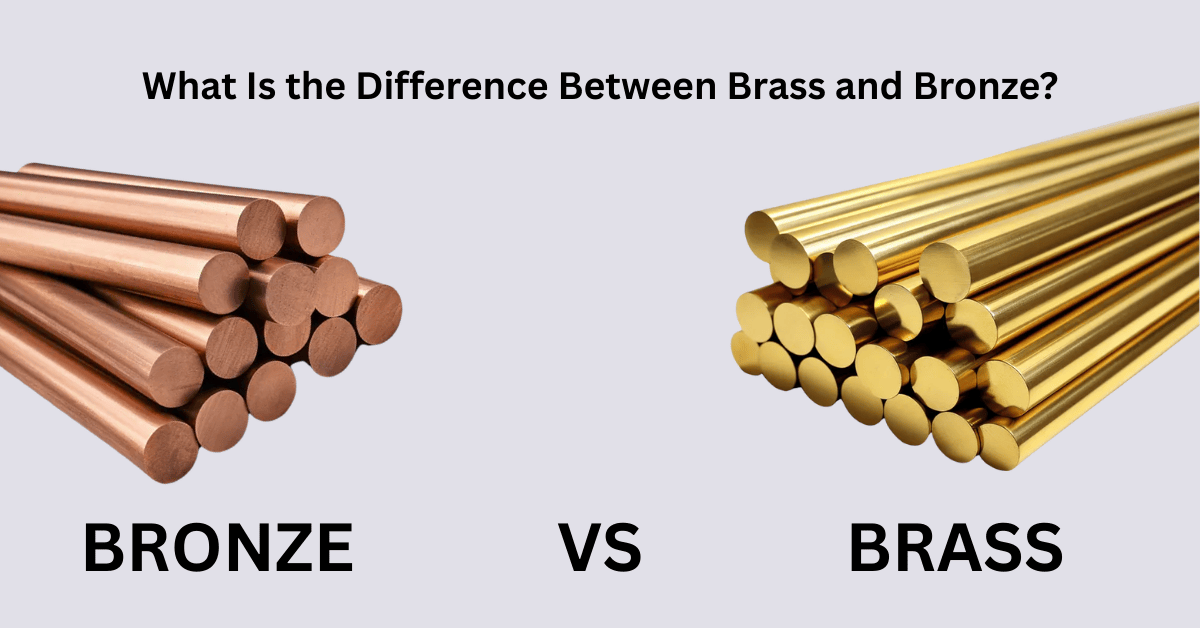
- Brass: Copper + Zinc = Goldish color, easier to work with.
- Bronze: Copper + Tin = Reddish-brownish color, tougher, and corrosion-resistant.
See? Not so scary after all! So, the next time you see something shiny and metal-y, you can impress your friends with your newfound knowledge. Just casually drop, “Oh, that? Probably either brass or bronze, depending on the zinc-to-tin ratio, you know.” They’ll be amazed. Trust me.
And hey, now you know the difference! Go forth and conquer the world of metallurgy...or at least, maybe just impress someone at your next trivia night. Good luck!