What's The Difference Between 3 Phase And 1 Phase
Ever wondered why some things need massive power outlets while others just plug into a standard wall socket? It all comes down to how electricity is delivered – specifically, whether it's single-phase or three-phase. Understanding the difference might sound technical, but it's surprisingly useful (and even a little fun!) especially if you're into DIY projects, home improvements, or just curious about how the world around you works.
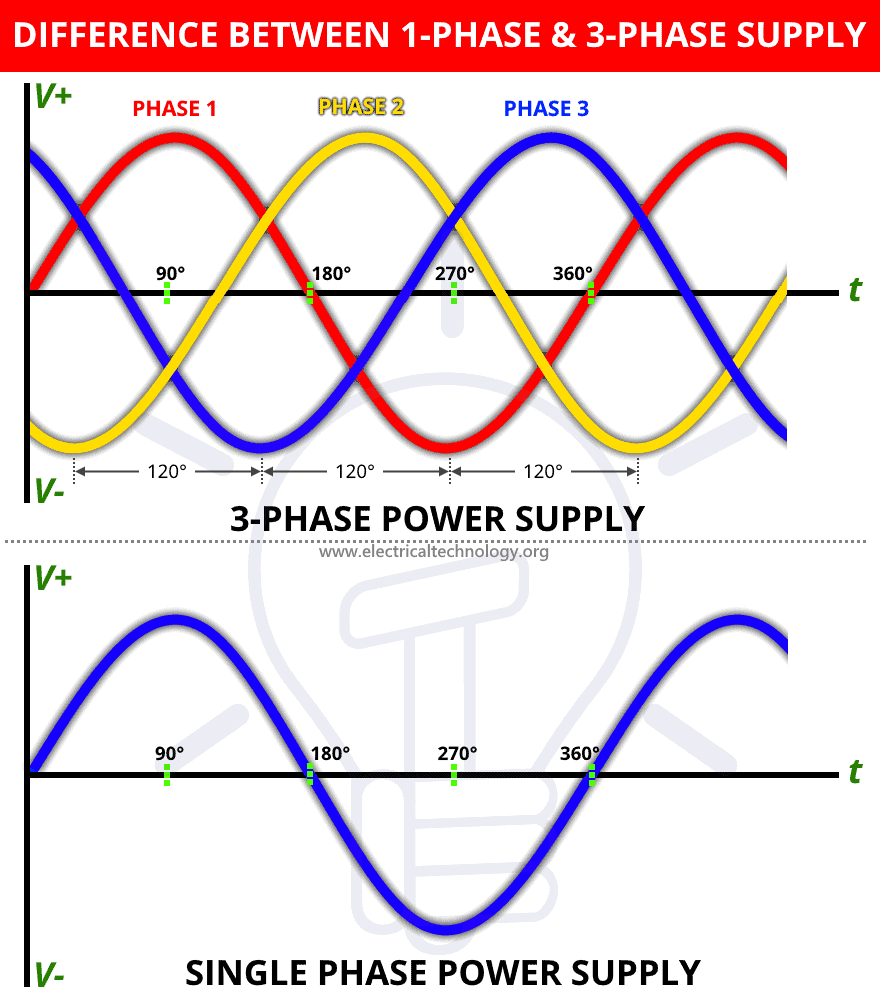
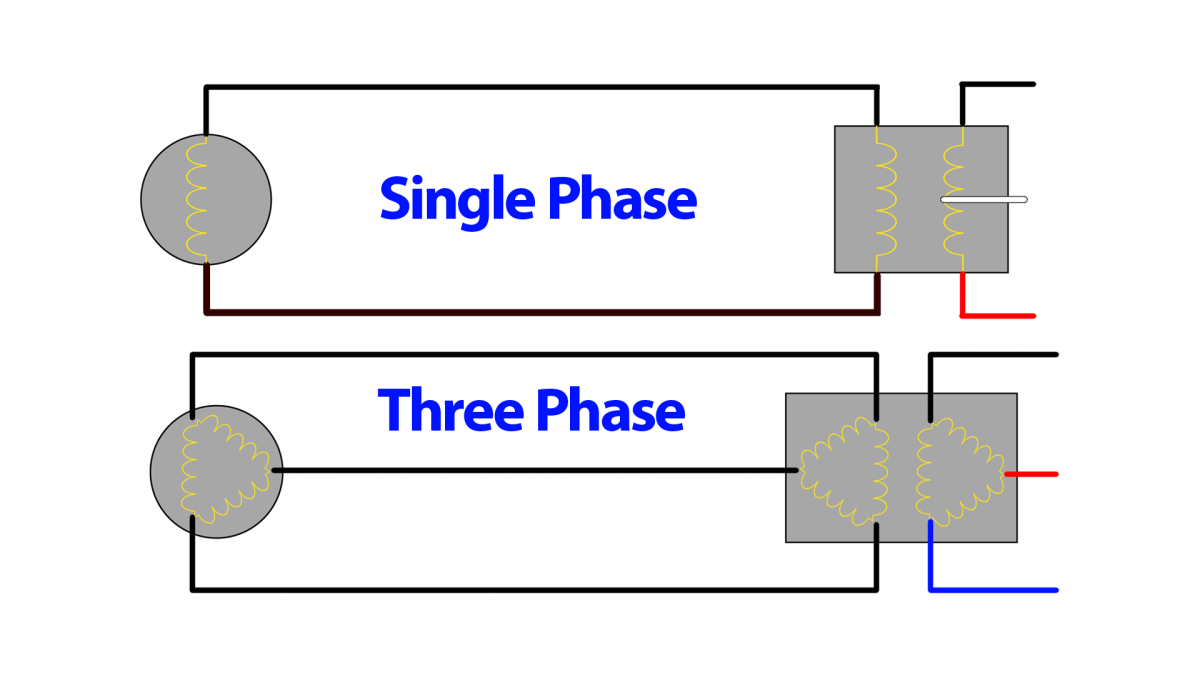
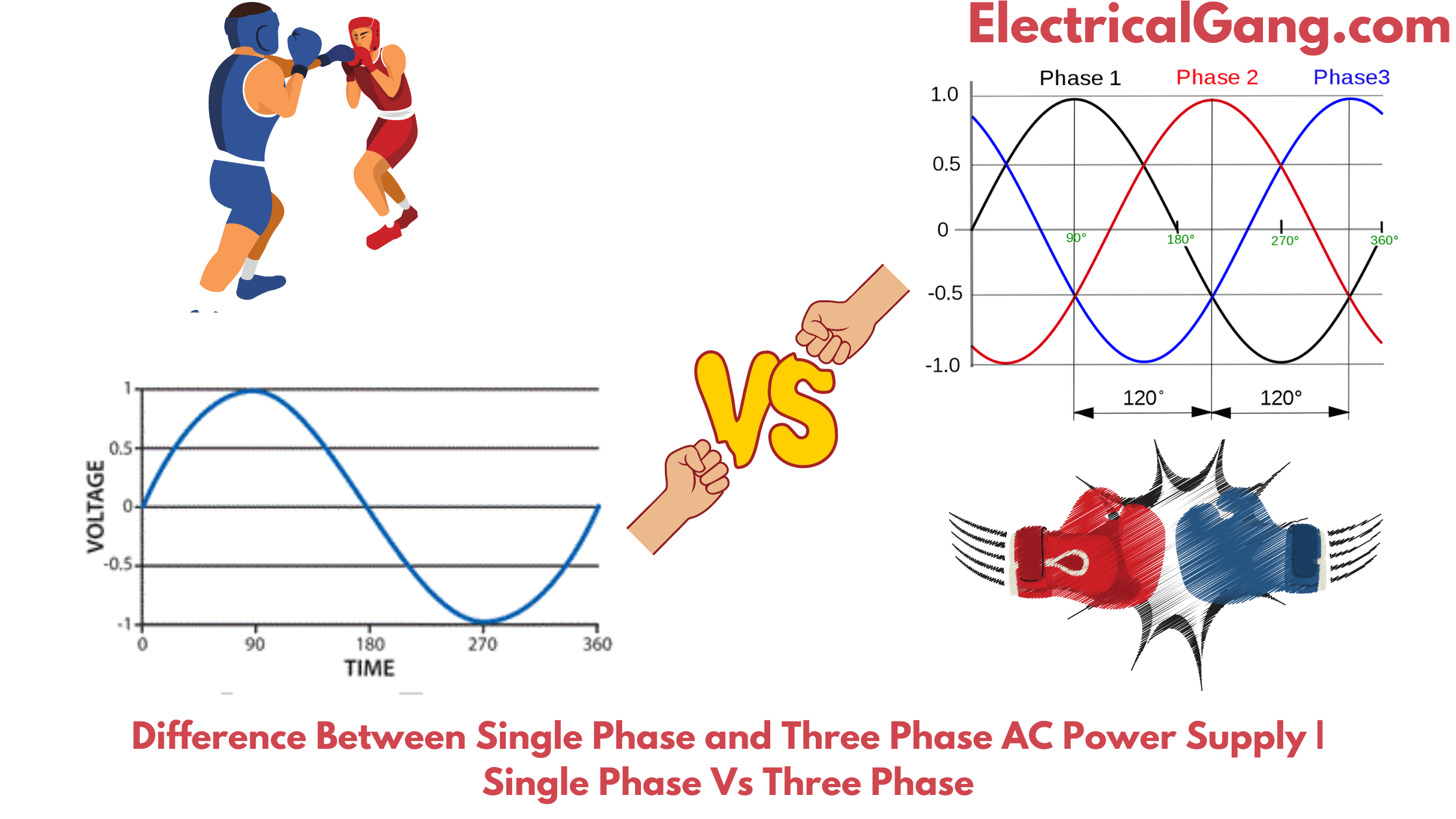
At its core, the difference boils down to how electricity flows. Think of it like water pipes. Single-phase is like having one main pipe delivering water. It's simple and works well for most household needs. Three-phase is like having three of those pipes, all delivering water at slightly different times. This staggered delivery provides a smoother and more consistent flow of power, allowing for much larger loads.
For beginners, the key takeaway is that single-phase is the standard for homes. Your lights, TV, computer, and most appliances all run on single-phase electricity. You don't need to worry about it too much unless you're dealing with high-power equipment. For families, knowing this difference can help you understand your energy bills and potentially make more informed decisions about appliance purchases. For example, a very large air conditioner might require a dedicated single-phase circuit. For hobbyists and DIY enthusiasts, understanding three-phase power is essential if you plan on using industrial-grade tools like welders, large woodworking machines, or some high-powered electric vehicle chargers. Many of these require the consistent and powerful output that three-phase electricity provides.
Must Read
So, what does this look like in the real world? A typical house uses single-phase power. Your standard outlets are single-phase. On the other hand, factories, large office buildings, and data centers almost exclusively use three-phase power. Consider a commercial-grade refrigerator in a supermarket. It needs to run constantly and efficiently, so it often uses a three-phase motor. Even electric vehicles are seeing a trend towards three-phase charging for faster charging times.

Practical tip for getting started: Don't attempt to modify your electrical system yourself unless you're a qualified electrician. Working with electricity can be dangerous. If you're considering adding three-phase power to your home or workshop, consult a licensed electrician. They can assess your needs, determine if your electrical panel can handle it, and ensure the installation is safe and compliant with local codes. Even for single-phase upgrades, such as adding a dedicated circuit for a power tool, always consult a professional.
Thinking about electricity doesn't have to be a chore. Once you grasp the basic principles, understanding the difference between single-phase and three-phase power becomes a fascinating peek behind the curtain of modern life. It highlights how much we rely on this unseen force and how different delivery methods are tailored to meet diverse needs. So, next time you see a massive power outlet or a piece of industrial equipment, you'll have a better understanding of the powerful forces at play!