
What's The Best Paint To Use On Plastic
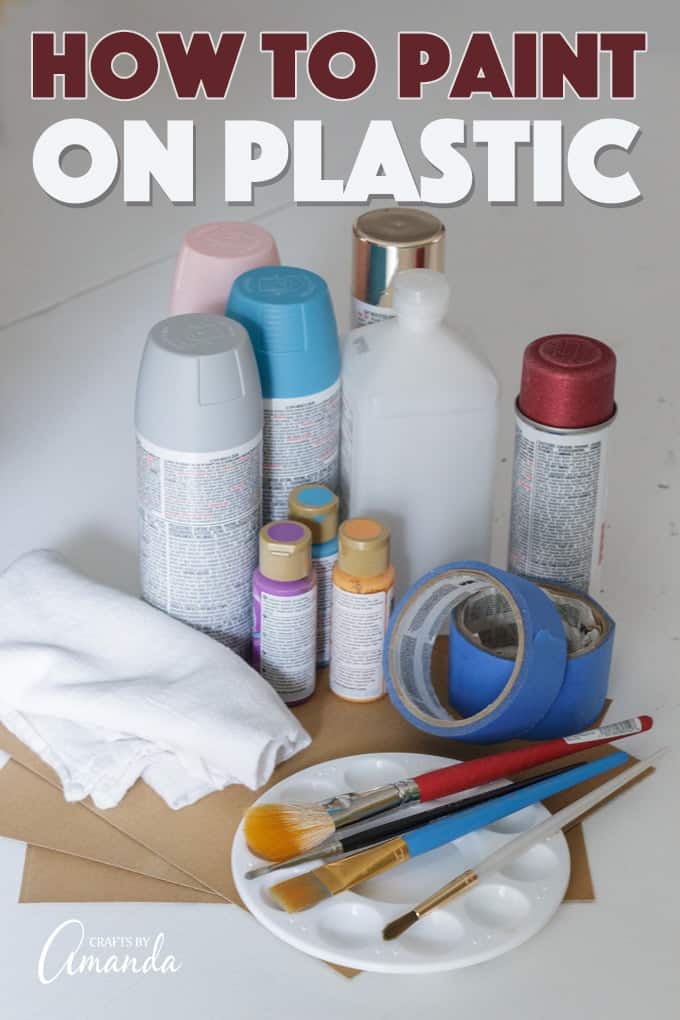
So, you've got this amazing plastic flamingo you rescued from a garage sale, or maybe you're finally tackling that mountain of unpainted Warhammer miniatures. Either way, you've arrived at the crucial question: what's the magic potion – err, paint – that will actually stick to plastic?
Fear not, fellow DIY enthusiast! The world of plastic paints can seem daunting, but with a little guidance, you’ll be transforming those polymer projects into masterpieces in no time. Forget the days of peeling, cracking, and general paint-related frustration. We’re about to dive into the good stuff.
Understanding Your Plastic
Before you even think about cracking open a can, take a moment to consider the plastic itself. Is it hard and rigid like a LEGO brick, or soft and flexible like a rubber ducky? Different plastics react differently to various paints. Knowing your plastic type is half the battle. If you're unsure, try a small test area in an inconspicuous spot.
Must Read
The Contenders: Paint Types for Plastic
Alright, let's meet the contenders:
- Acrylic Paints: The versatile all-stars. Acrylics are water-based, making them easy to clean up (hooray!) and generally less toxic than some other options. They come in a rainbow of colors and finishes, and are a good starting point for most plastic projects. Look for acrylic paints specifically formulated for plastics; these contain additives that improve adhesion. Think of them as the Ryan Reynolds of paints – charming, adaptable, and generally pleasing.
- Enamel Paints: These are the old-school classics, known for their durability and glossy finish. Enamel paints form a hard, solvent-resistant coating. However, they require proper ventilation due to the fumes, and cleanup involves solvents like mineral spirits. They're the Marlon Brando of paints - intense, durable, but maybe a bit high-maintenance.
- Lacquer Paints: Lacquers offer a super-smooth, fast-drying finish. They're often used for model kits and other detail-oriented projects. Like enamels, they require good ventilation and solvent cleanup. Lacquers are like the James Bond of paints – sleek, sophisticated, and quick-drying, but definitely not for the faint of heart.
- Spray Paints (Specifically for Plastic): Ah, the convenience factor! Spray paints designed for plastic are fantastic for achieving even coverage on larger surfaces. They're also great for those hard-to-reach nooks and crannies. Just be sure to use light, even coats to avoid drips and runs. Think of them as the Ariana Grande of paints – consistently delivers a flawless finish.
Prep is Key: The Secret Sauce to Success
No matter which paint you choose, proper preparation is essential. Think of it as the pre-show warm-up. Skipping it is a recipe for disaster.

Here’s the drill:
- Clean, Clean, Clean: Remove any dirt, grease, or mold release agents with soap and water. A degreaser can also work wonders.
- Lightly Sand: Gently roughen the surface of the plastic with fine-grit sandpaper (220 grit or higher). This creates "tooth" for the paint to grip onto.
- Prime Time: Applying a primer specifically designed for plastic is a game-changer. It acts as a bridge between the plastic and the paint, promoting adhesion and preventing the dreaded peeling. This is your MVP.
Application Tips & Tricks
- Thin Coats are Your Friend: Resist the urge to slather on the paint! Multiple thin coats are always better than one thick, goopy mess. This allows each layer to dry properly and prevents drips.
- Patience, Young Padawan: Allow each coat of paint to dry completely before applying the next. Rushing the process will only lead to disappointment.
- Seal the Deal: Once your project is complete, consider applying a clear coat sealant to protect the paint and enhance its durability.
A Little Reflection
Choosing the right paint for plastic, much like many things in life, is about understanding the materials and processes involved. Taking the time to prepare properly, selecting the right tools, and applying a little patience will ultimately lead to a more satisfying outcome. Whether you're customizing a toy, restoring a vintage find, or simply adding a pop of color to your surroundings, remember that a little effort goes a long way in creating something truly unique and lasting. So go forth and paint, my friends! The possibilities are as limitless as your imagination.

:max_bytes(150000):strip_icc()/Rust-OleumAutomotive12ounceSatinSpray-5c0ed5a346e0fb000172002f.jpg)
