
What Wind Speed Knocks Out Power
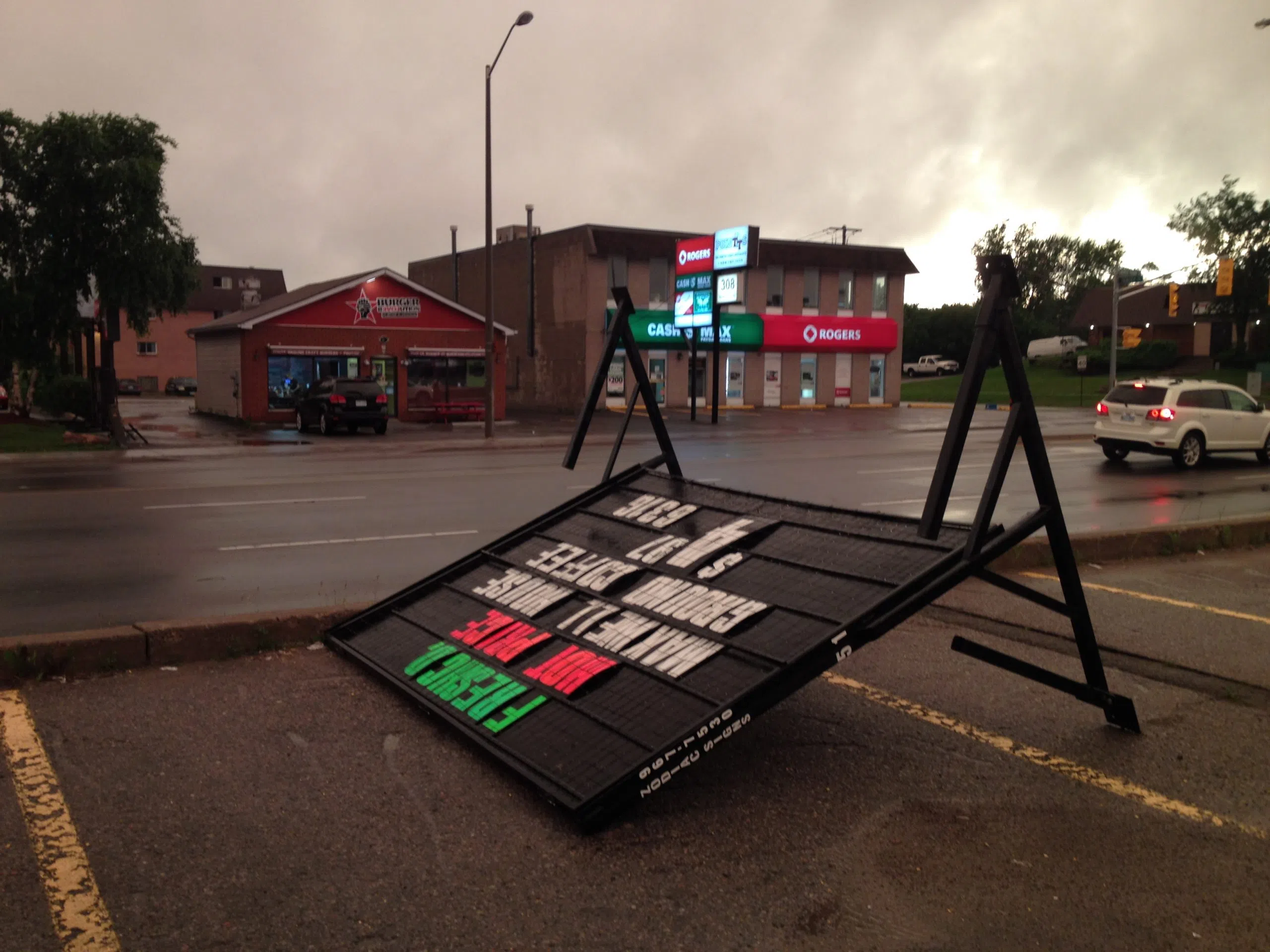
Ever been chilling on the couch, maybe halfway through your favorite show, when suddenly the lights flicker? Or worse, the whole house goes dark, plunging you into an immediate, profound despair (mostly about your Wi-Fi)? You sigh, look out the window, and yup, the trees are doing their little dance. But then you wonder, "What wind speed actually caused this chaos?"
It’s like asking, "How long is a piece of string?" right? Spoiler alert: there's no single, neat number. I know, I know, buzzkill. But let's dive into the breezy details and figure out what Mother Nature needs to throw at us to knock out our precious power.
It's Not Just About the Gust, My Friend
Okay, so it’s not just one magic number that says, "Poof! No more power!" It’s actually a whole cocktail of factors, like a really complicated, windy recipe for disaster. Think of it this way: a light breeze might mess with a really old, rickety power line in a bad neighborhood, while a full-on gale might just shake the leaves on a newer, well-maintained setup.
Must Read
One of the biggest culprits, believe it or not, isn't always the wind itself. It's often what the wind does to other things. We're talking about our leafy green friends – trees. Seriously, those beautiful oaks and maples? They're basically power line ninjas in disguise when the wind picks up.
If the ground is super wet from a recent rain, those tree roots aren't holding on as tight. So, a moderate wind can suddenly turn into a tree-uprooting menace. And guess where those uprooted trees often decide to fall? You guessed it: smack dab on your power lines. Ouch.
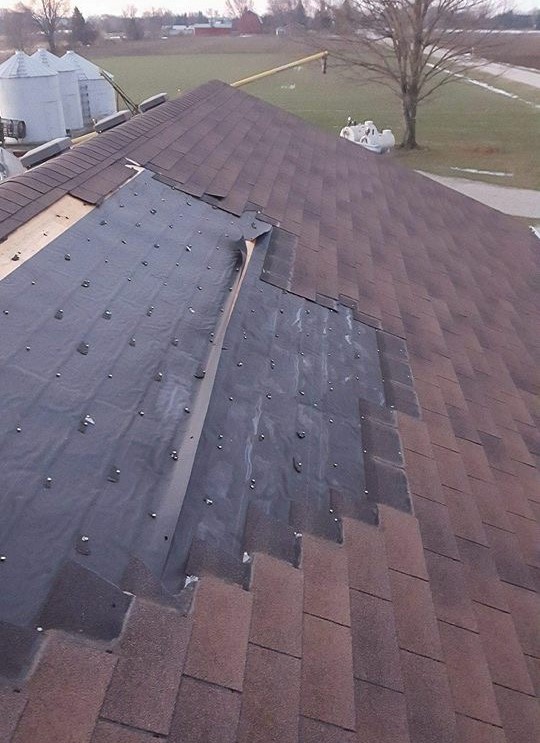
Then there's the age and condition of the infrastructure itself. Is it an old, saggy line from grandpa's time, or shiny new lines built like a fortress? Older equipment, naturally, is more susceptible to even moderate winds. And let's not forget the type of pole – wood, concrete, steel? They all have different breaking points.
So, What Speeds Should You Actually Worry About?
Alright, let’s get down to some actual numbers, keeping in mind they're just guidelines, not gospel.
20-30 mph: The "Annoying Breeze" Zone
At these speeds, you might see some minor branch movement. Your hair will definitely get messy. Power-wise, you might get a few flickers, maybe a tiny, localized outage if a weak branch snaps off or an animal (bless their hearts) gets startled and bumps something. It’s mostly just a nuisance, really. Like when your neighbor's wind chimes go into overdrive.
30-50 mph: The "Uh Oh, My Lights Are Flickering" Zone
Now we're talking. This is where things start getting interesting. You'll see whole branches swaying, maybe smaller trees really bending. This is the sweet spot for significant power outages. Why? Because enough force is generated to snap off larger branches, send loose debris flying, and really start stressing those power lines and poles. If there’s a sick or dead tree nearby, consider this its eviction notice.

50-60 mph: The "Definitely Lost Power" Zone
When winds hit this range, you can almost guarantee an outage. This is hurricane-force territory, even if it's not actually a hurricane. Think strong tropical storm. Large branches break easily, entire weak trees can be blown over, and power poles themselves can snap. At this point, the grid is taking a beating. Forget your TV; just grab a book and some candles, because you're probably in for the long haul.
60+ mph: The "Why Did I Live Here?" Zone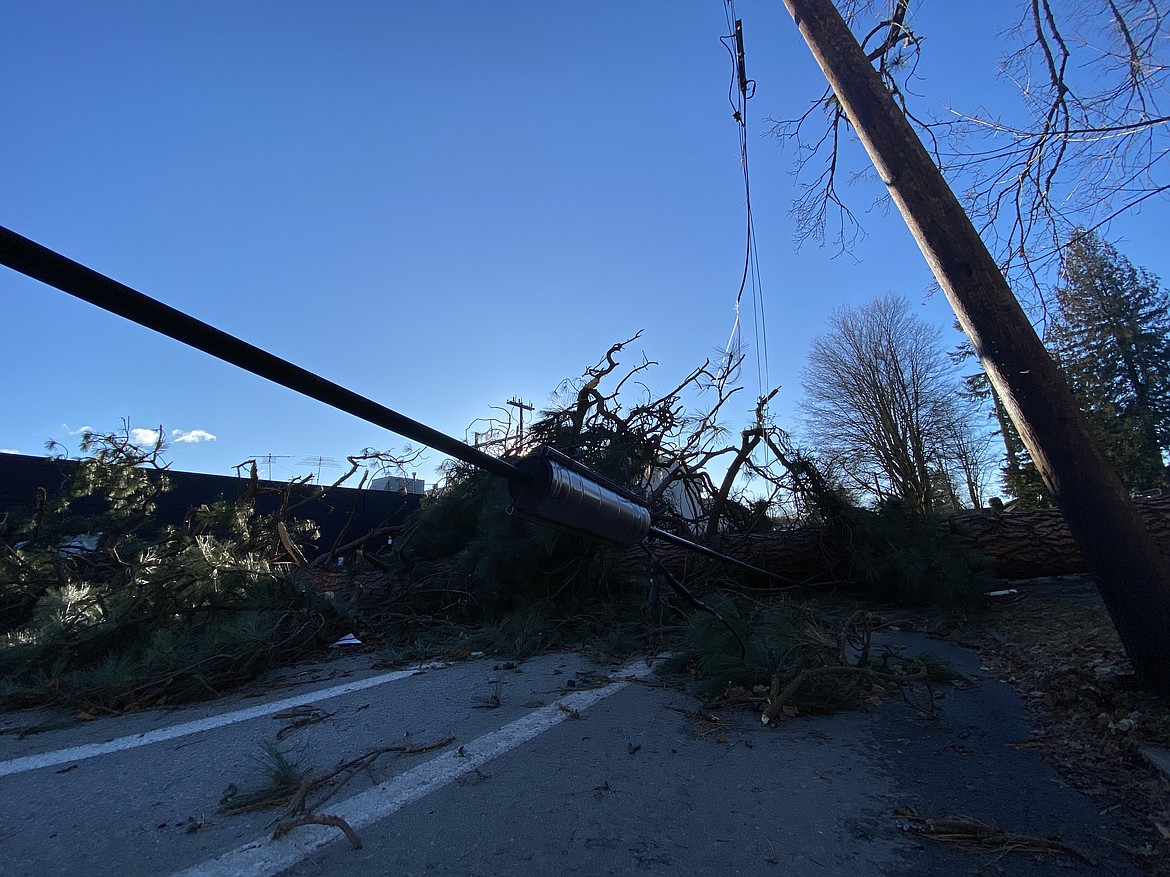
Anything above 60 mph? Yeah, you're pretty much done for. This is where you see widespread, prolonged outages. Infrastructure damage is severe. We're talking downed power lines everywhere, poles snapped like toothpicks, and transformers doing their best impression of a fireworks display. At this point, the priority isn't just restoring power, it's making sure everyone is safe from the debris and live wires. Stay inside, stay safe, and maybe start planning your next meal on the BBQ.
The Takeaway (and a little common sense)
So, while there’s no single answer, generally, once winds consistently hit around 30-50 mph, that’s when you should start mentally preparing for a power outage. And if it's been raining a lot recently? That 30 mph wind might just feel like 50 mph to the power grid. It's all about context, right?
Ultimately, it’s a delicate dance between the wind's brute force and the resilience of our power infrastructure. So next time the lights go out, don’t just curse the darkness; spare a thought for those stressed-out power lines, the defiant trees, and the hard-working crews who’ll brave the elements to get your Netflix back online. Cheers to them, and maybe keep a flashlight handy!