
What Will Set Off A Carbon Monoxide Detector

Okay, so picture this: it's a quiet Tuesday evening, I'm attempting to be a domestic goddess, and dinner is... well, it's in the oven. Suddenly, this piercing, frantic chirp-chirp-chirp erupts from the hallway. My brain, bless its cotton socks, immediately goes to "OMG, is the smoke detector finally fed up with my cooking?" But no, this was a different kind of panic chirp. It was the carbon monoxide detector, and let me tell you, my heart did a little jig right into my throat.
I scrambled, flinging windows open like a madwoman, ushering the cat (who was, naturally, entirely unimpressed) towards the front door, and fumbling for my phone to call the gas company. Turns out, it was a false alarm – the unit was old and just having a mid-life crisis, a classic "end of life" beep. But that little episode, that brief, dizzying moment of "Oh crud, is this it?", made me realize something important. We all have these silent sentinels watching over us, but do we really, truly understand what actually sets off a carbon monoxide detector?
Spoiler alert: it's not the ghost of your burnt toast. Although, if your toast is emitting CO, you've got bigger problems than breakfast!
Must Read
The Invisible Enemy: Carbon Monoxide (CO)
Let's get down to brass tacks. The primary, and most serious, thing that will set off your CO detector is, unsurprisingly, carbon monoxide itself. And here's the kicker: this stuff is a true villain. It's odorless, colorless, and tasteless. You literally cannot detect it with your own senses. That's why that little beeping box is such a superhero.
CO is a byproduct of incomplete combustion. Think about it like this: when something burns, it needs a good supply of oxygen. If that oxygen supply is limited, instead of producing harmless carbon dioxide (the stuff we breathe out), it spits out dangerous carbon monoxide. It's like your furnace or stove having a bad day and forgetting how to properly "breathe."
So, what are the usual suspects for producing this invisible menace?
- Furnaces or Boilers: Especially if they're old, poorly maintained, or have a cracked heat exchanger.
- Gas Water Heaters: Again, maintenance is key here, folks!
- Gas Stoves and Ovens: A pilot light going out, or an improperly vented oven can be a culprit.
- Fireplaces: Wood-burning or gas logs, particularly if the chimney is blocked or the damper isn't fully open.
- Clothes Dryers (Gas): If the vent gets clogged with lint, you're asking for trouble.
- Generators: This is a big one. NEVER use a generator indoors or in an attached garage. Ever.
- Charcoal Grills or Propane Heaters: Same rule applies – these are for outdoor use only!
- Vehicle Exhaust: Running a car in an attached garage, even for a "quick warm-up," is incredibly dangerous.
Your detector typically uses an electrochemical sensor. It reacts to CO gas, and when the concentration reaches a certain level over a period of time, it sounds the alarm. It's not usually an instant "poof, I detect CO!" kind of thing; it measures exposure over time because even low levels of CO can be harmful with prolonged exposure. Think of it as a smart little chemical detective.
The Plot Twists: What Else Can Set It Off (Sometimes)?
Now, while CO is the main event, sometimes these little gadgets throw us a curveball, just like mine did. Here's what else can occasionally trigger a false alarm or a "nuisance alarm":
1. Age and Expiration: Like a carton of milk, CO detectors have an expiration date. Most are good for about 5-7 years. After that, the sensor can degrade and become less accurate, leading to those confusing "end of life" chirps, or even random alarms. Check the manufacturing date on the back!
2. Low Battery: Okay, usually a low battery has a distinctive, less panic-inducing chirp (think "feed me, Seymour!"). But sometimes, especially with older models, it can be misinterpreted or just plain annoying. Always swap those batteries annually, people!
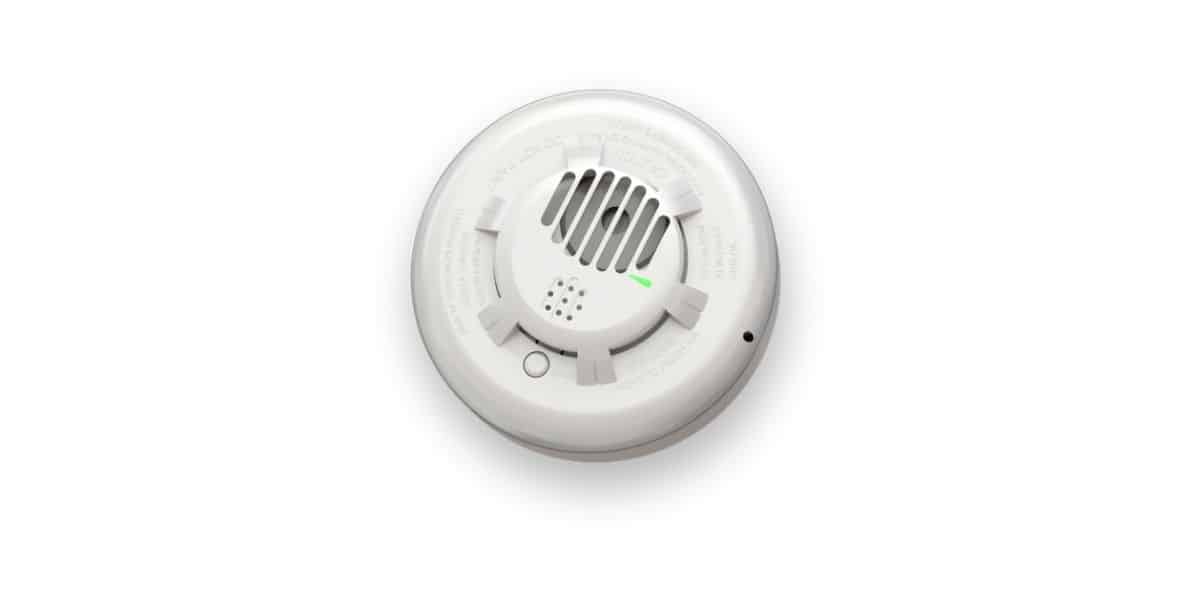
3. Placement Problems: If your detector is too close to a combustion source like your stove, oven, or even a fireplace, it might pick up trace amounts of CO during normal operation and decide to yell at you. It's like it's saying, "Whoa there, hot stuff, let's calm down!" Proper placement (usually central on a wall or ceiling, away from appliances) is crucial.
4. High Humidity or Extreme Temperatures: While less common with modern, good-quality detectors, sometimes environmental factors can mess with the sensor. Think steamy bathrooms or uninsulated attics.

5. Chemical Interference: This is pretty rare, but very strong aerosols, certain cleaning products, or even paint fumes can, in some cases, confuse the sensor. If you've just gone on a cleaning spree and the alarm sounds, open some windows and let it air out.
When It Goes Off: Don't Be a Hero, Be Safe!
If your CO detector ever goes off for real (not just the "end of life" beep), do not hesitate. This isn't the time to play detective. Here's your action plan:
- Get out: Immediately move everyone, including pets, outdoors to fresh air.
- Call for help: Dial 911 or your local fire department, or your gas company's emergency line. They have the right equipment to test for CO.
- Don't re-enter: Wait for emergency personnel to give you the all-clear.
So, there you have it. Your CO detector is a literal lifesaver, designed to warn you about a silent, deadly gas. Understand what makes it tick (or chirp!), keep it maintained, and know what to do if it ever decides to throw a full-blown alarm. Stay safe out there, folks!