
What Will Reduce The Width Of A Confidence Interval

Okay, so picture this: I'm at a carnival, trying to win a giant stuffed banana (don't judge). I'm playing that game where you guess how many jellybeans are in the jar. I take a shot, wildly guess "450!" The carny just laughs. He probably hears that a million times a day. But then, I collect some data. I ask 20 people walking by to give their best guess. And now, instead of just my absurd guess, I have a range of guesses.
That range is kind of like a confidence interval, right? The bigger the spread in guesses, the less sure I am about the actual number of jellybeans. But how could I make my guess more precise? How could I shrink that range?
The Quest for a Narrower Interval
That, my friends, is exactly what we're talking about today: what shrinks a confidence interval. Because let's be honest, nobody wants a confidence interval that's wider than your car. What's the point then? It means your estimate is all over the place!
Must Read
Think of it like this: a narrow confidence interval is like a sniper rifle – super precise. A wide one is like a shotgun – hoping you hit something in the general vicinity.
So, without further ado, let's dive into the magical ingredients that lead to narrower, more useful confidence intervals.
1. Bump Up That Sample Size!
This is probably the biggest, most impactful thing you can do. The more data you collect, the more information you have, and the more confident you can be in your estimate (hence the name, duh!).
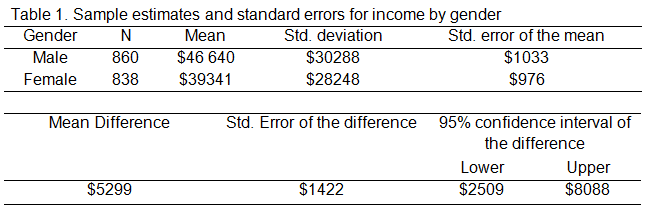
Back to the jellybeans: If I only ask two people for their guesses, and one says "100" and the other says "1000," my confidence interval is going to be huge! But if I ask hundreds of people, the extreme guesses will get averaged out, and the overall estimate will become much more stable. Makes sense, right?
Bottom line: More data = less uncertainty = narrower interval.
Side note: there are diminishing returns here. Going from 10 to 100 data points makes a HUGE difference. Going from 1000 to 1100? Less so.
2. Reduce Variability (aka: Control the Chaos!)
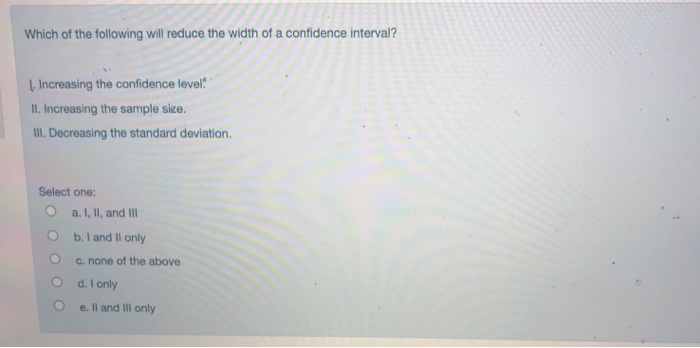
This is all about reducing the noise in your data. If your data points are all over the place, your confidence interval is going to reflect that chaos.
Let's say I'm trying to estimate the average height of students at a particular school. If I randomly grab students from all grade levels (kindergarteners to seniors!), my height data will be super variable. Little kids will be tiny, seniors will be tall, and my overall average will have a huge margin of error.
But if I only measure the height of 10th graders, the variability will be much lower, and my confidence interval will be much narrower! Because, you know, teenagers are usually roughly the same height.
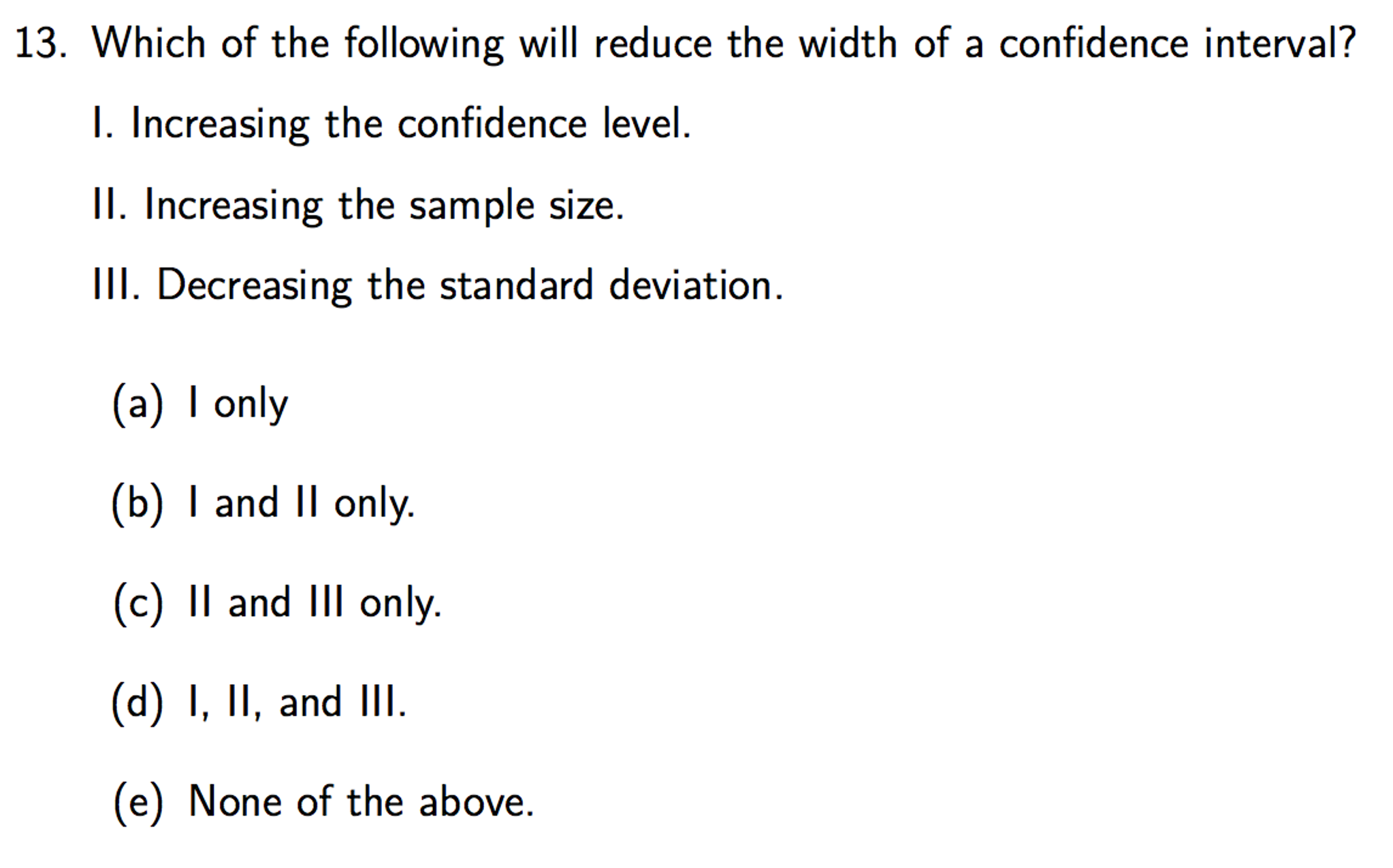
Think about how you can control your experiment to minimize outside influences. Maybe that's about carefully defining your population, or using more precise measurement instruments.
3. Tinker with Your Confidence Level (But Be Careful!)
Okay, this one is a bit of a trade-off. We usually aim for a 95% confidence level, which means we're 95% sure the true population parameter falls within our interval. But you could choose a lower confidence level, like 90% or even 80%.
Lowering your confidence level will technically shrink your confidence interval. But here's the catch: you're also decreasing your confidence! It's like saying, "I'm only pretty sure the true value is in this small range."
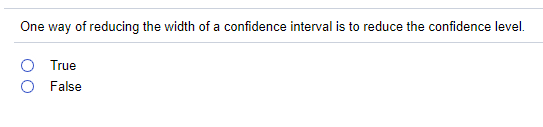
So, while technically it narrows the interval, you’re just being less certain. Tread carefully!
Irony alert: you can have a really small, tight confidence interval and be completely wrong. The confidence interval only tells you about the likelihood of capturing the true value, not whether it actually exists within the bounds!
Wrapping it Up
In summary: to shrink a confidence interval, collect more data, control the variability, or (carefully!) lower your confidence level.
Now go forth and create some wonderfully narrow, wonderfully useful confidence intervals! And if you ever win that giant stuffed banana, send me a picture!