What Way Should My Ceiling Fan Turn In The Summer

Let's face it, there's something undeniably soothing about the gentle whir of a ceiling fan. Beyond just a nostalgic connection to childhood bedrooms or lazy summer afternoons, ceiling fans are a practical and energy-efficient way to make our homes more comfortable. They're the silent workhorses of climate control, often overlooked but always appreciated, especially when that electric bill arrives!
The core benefit of a ceiling fan, regardless of the season, is that it helps to circulate air. This simple action has profound effects. In the summer, a properly directed fan helps create a wind-chill effect, making you feel cooler even if the room temperature remains the same. Think of it like a gentle breeze on a hot day – refreshing and revitalizing. By circulating the air, the fan prevents stagnant pockets of heat from forming, promoting a more even and comfortable temperature throughout the room. This means you can set your thermostat a few degrees higher and save on those hefty air conditioning costs.
You'll find ceiling fans in a vast array of spaces, from living rooms and bedrooms to kitchens and even outdoor patios. They're a ubiquitous feature in many homes, often chosen for their aesthetic appeal as much as their functionality. Modern fans come in a dazzling range of styles, from sleek and minimalist designs to ornate and traditional models, ensuring there's a fan to complement every décor.
Must Read
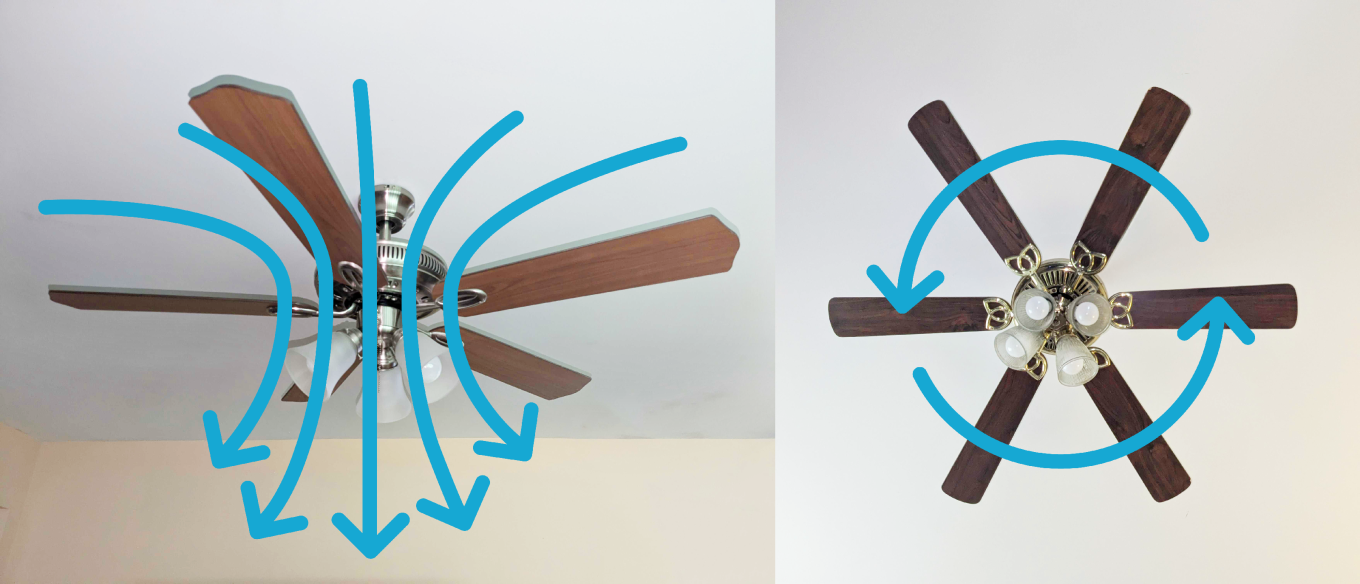
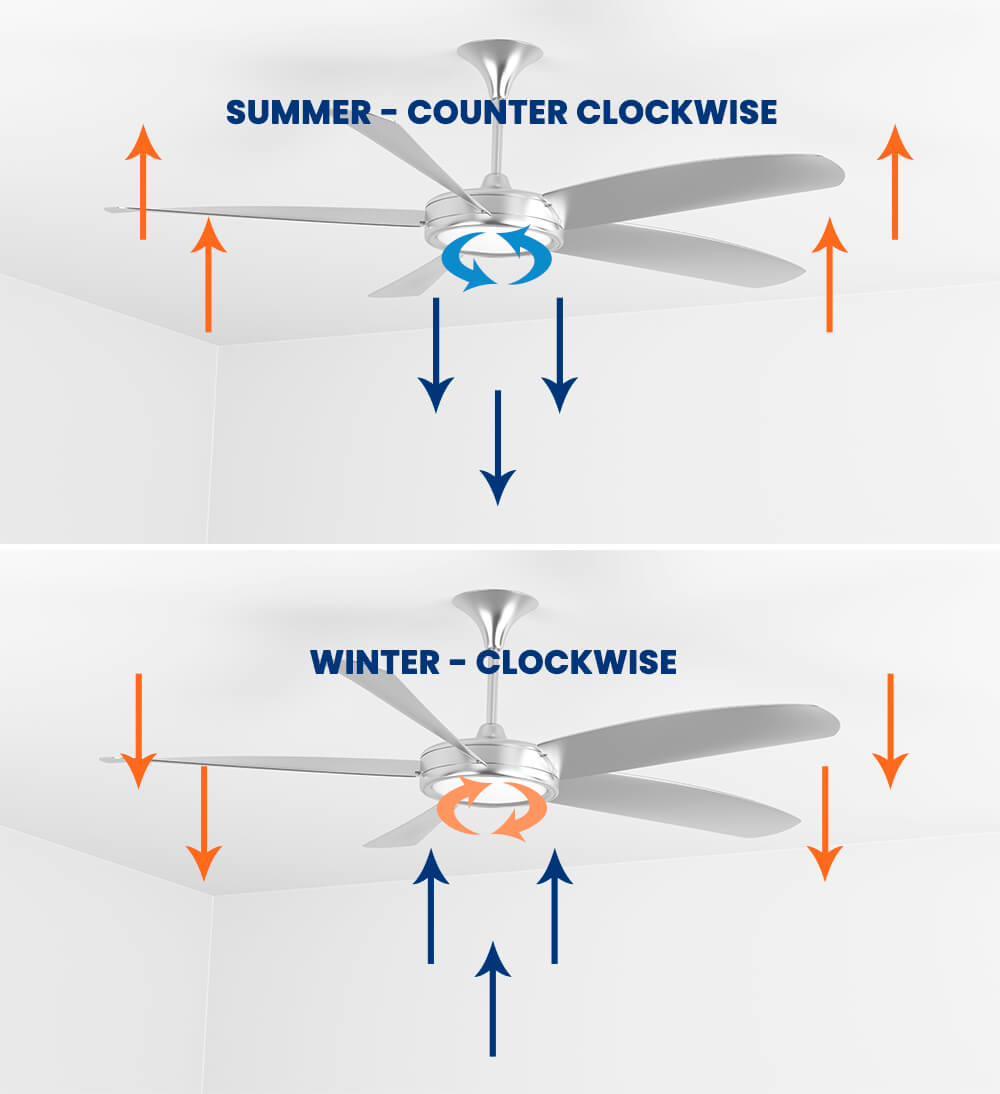
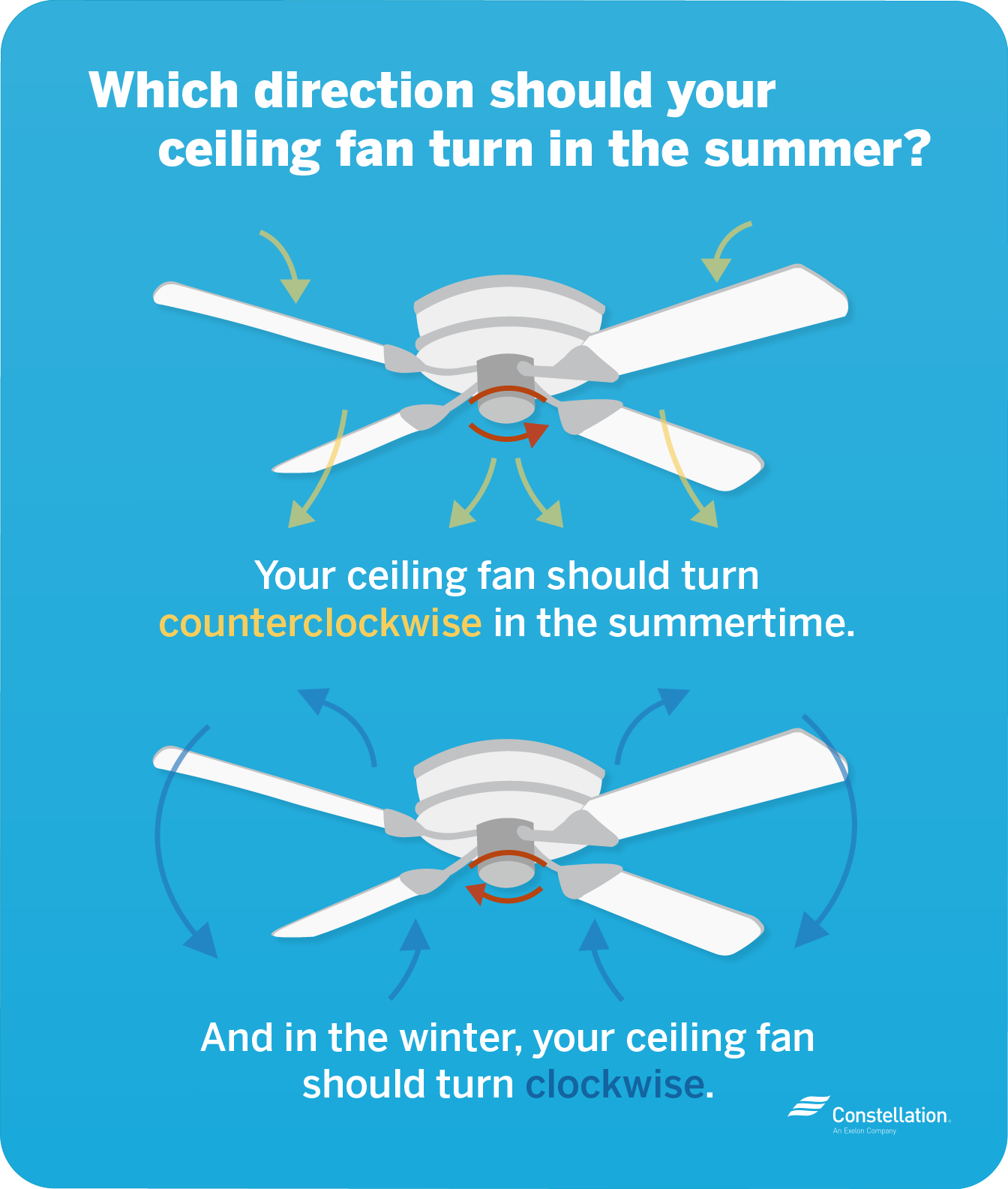
So, how do you maximize the cooling power of your ceiling fan in the summer? Here’s the key: it's all about the direction of the blades! The summer setting means your fan should be rotating counterclockwise when you’re looking up at it. This pushes the air downward, creating that refreshing breeze we talked about. Most ceiling fans have a small switch on the motor housing that allows you to reverse the direction of the blades. If you're not feeling a noticeable breeze when standing directly beneath the fan, chances are it's rotating the wrong way.
Beyond blade direction, here are a few extra tips to enhance your ceiling fan experience:
- Clean your fan blades regularly. Dust buildup can significantly reduce its efficiency.
- Consider the size of your room. Larger rooms require larger fans for optimal air circulation.
- Use your fan in conjunction with your air conditioner. Even with the AC on, the fan helps distribute the cool air more evenly, preventing hot spots.
- Turn off the fan when you leave the room. Ceiling fans cool people, not rooms. If nobody's there to benefit from the breeze, you're just wasting energy.
By paying attention to these simple details, you can transform your ceiling fan from a mere fixture into a powerful and cost-effective cooling companion all summer long. So, check that switch, feel the breeze, and enjoy the cool comfort that a properly utilized ceiling fan can provide!