
What Wattage Light Bulb For Living Room

Alright, let's talk light bulbs for the living room. It sounds simple, right? You screw in a bulb, it lights up. But oh, if only it were that easy! We’ve all been there, squinting under what feels like a stadium spotlight, or fumbling around in a gloom so profound you could be in a dungeon. It’s like the Goldilocks story, but with lumens instead of porridge. You want it just right.
Back in the day, choosing a bulb was a no-brainer. You wanted bright? You grabbed a 100-watt incandescent. Cozy? Maybe a 60-watt. Simple! Then LEDs came along, and suddenly our brains started short-circuiting. What used to be a measure of energy consumption became a confusing dance of "watt equivalent" and actual watts. Don't worry, you're not alone if you've stared at a light bulb box feeling like you needed a degree in astrophysics.
First off, let’s tackle the "too bright" disaster. Have you ever walked into a living room that felt less like a comfy lounge and more like a surgical operating theatre? Everything is stark, shadows are harsh, and suddenly you feel compelled to confess all your secrets. It's the kind of light that makes you want to put on sunglasses indoors. That's usually the result of throwing in bulbs with too much power without considering the space or the fixture.
Must Read
On the flip side, we have the "too dim" dilemma. This is where your living room transforms into a mysterious cavern where remotes vanish into the abyss, finding your phone charger is an Olympic sport, and trying to read anything more than a large-print billboard is an exercise in futility. It’s cozy, sure, but also incredibly impractical. Trying to host a board game night in near darkness? Good luck with that! You want ambiance, not a literal bat cave.
Forget Watts, Think Lumens!
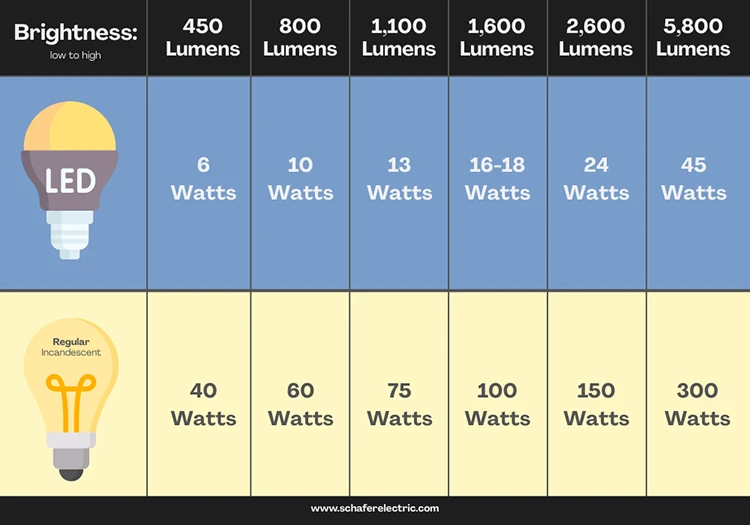
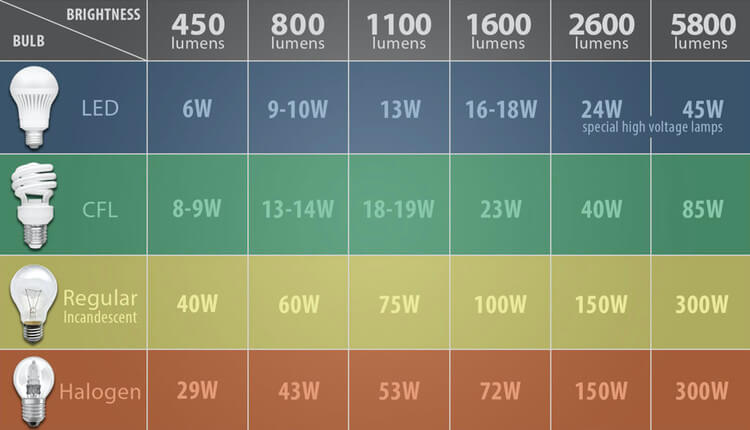
Here’s the big secret: when it comes to brightness, forget watts. Or at least, think of them as the old friend you used to hang out with. Your new best friend is called lumens. Lumens measure the actual brightness of the bulb. More lumens, more light. Less lumens, less light. It’s that simple. A 60-watt incandescent bulb produced about 800 lumens. An LED can produce 800 lumens using only about 9-10 watts. See why the old wattage system is totally confusing now?

So, How Many Lumens For Your Living Room?
This is where it gets fun, because there’s no one-size-fits-all answer. It truly depends on what you do in your living room and how big it is. But here are some general, smile-and-nod-worthy guidelines:
- For a general, ambient glow in an average-sized living room (think 10x15 to 12x18 feet), you're often looking for a total of 1500-3000 lumens. This isn't from one bulb, mind you, but from all your light sources combined.
- For a smaller, cozier nook, you might aim lower, around 1000-1500 lumens.
- If your living room is huge, or you really need it bright for activities, you could go up to 4000 lumens or more.
Think about it: do you kick back and watch Netflix, rarely picking up a book? Then maybe you lean towards the lower end. Do you host lively gatherings, read extensively, or have kids who use the floor for their elaborate Lego creations? You’ll want more flexibility and probably more overall light.
The Magic of Layering and Dimmers
Here’s where you become the lighting maestro of your own home! Instead of trying to find one super-bulb that does everything, think about layers of light. You want a mix:
- Ambient lighting: This is your general overhead light – a ceiling fixture, recessed lights, or a statement chandelier.
- Task lighting: For specific activities like reading. Think floor lamps next to your favorite armchair or table lamps on side tables.
- Accent lighting: To highlight artwork, plants, or architectural features. Smaller spotlights or puck lights are great here.
And the MVP of living room lighting? Dimmers! Oh, how we love dimmers. They turn a "too bright" moment into a "just right" evening glow with a simple flick or slide. Got the in-laws coming over? Crank it up for a well-lit chat. Date night at home? Dim it down for instant romance. Dimmers give you the ultimate flexibility, letting you adjust those lumens on the fly like a mood ring for your room.
A Quick Word on Color Temperature (CCT)
While lumens tell you how bright, color temperature (measured in Kelvins or K) tells you what shade of white the light is. Low Kelvin numbers (like 2700K-3000K) are warm, yellowish, cozy – think traditional incandescent. Higher numbers (4000K-5000K) are cooler, whiter, more like daylight. For a living room, most people prefer warm white (2700K-3000K) for that inviting, relaxing vibe. Anything higher can start to feel a bit like, well, an office or that aforementioned operating theatre.
So, next time you're staring at a light bulb aisle, take a deep breath. Don't panic! Look for the lumens, consider your room's purpose, and remember the power of layers and dimmers. You'll find that perfect "just right" glow in no time, making your living room a place you truly love to kick back and relax in. No more searching for lost keys in the dark, and no more needing sunglasses indoors. You got this!
