
What Watt Generator Do I Need To Run A Refrigerator

Okay, so picture this: You're camping. Glorious nature, chirping birds, the smell of… warm beer? Disaster! Because your fridge, that beacon of frosty goodness, is suddenly just a glorified insulated box. Don't let that be you! Let's talk generators and refrigerators, a pairing more crucial than peanut butter and jelly (unless you're allergic, then it’s more crucial than… something you REALLY like).
The question you’re asking is, “What watt generator do I need?” It’s a good one. A very good one. But the answer? Well, that's where things get a little… zappy. (Get it? Zappy? Electricity? I'll be here all week.)
The Starting Surge: The Fridge's Power-Hungry Secret
Here’s the deal. Your refrigerator isn't some lazy lump of metal and plastic. Inside, it's got a compressor, a little engine that keeps things cool. This compressor needs a TON of power to get going. It's like me trying to run a marathon first thing in the morning. Needs a serious jolt (of coffee, in my case; electricity for the fridge).
Must Read
This initial power burst is called the starting surge. It’s way higher than the normal running wattage of your fridge. Think of it like a weightlifter trying to lift a car. He can't sustain it, but he can briefly muster the strength. Fridges are the same way, just less sweaty (hopefully).
So, how do you figure out this starting surge magic number? Well, you could consult the ancient texts (aka the owner's manual). Somewhere, buried deep beneath warnings about not storing cats inside, you'll find the starting wattage, or locked rotor amps (LRA). This number will be significantly higher than the fridge's running wattage.
Don't have the manual? (Let's be honest, who does?) A good rule of thumb is to multiply the running wattage by 3. Some fridges are even greedier and need a factor of 5 to start. If your refrigerator typically uses 150 watts, it might need 450-750 watts to start. This is the peak the generator must supply.
Running Wattage: The Fridge's Steady Diet
Once the compressor is humming along, it uses considerably less power. This is the running wattage, and it’s the amount of power the fridge needs to maintain its cool vibe (literally). You'll also find this in the owner’s manual. (Seriously, try to find it.)
If you can't find the manual, look for a sticker on the back or inside the fridge. It'll usually list the wattage or amperage. If it lists amperage, multiply that by the voltage (usually 120V in the US) to get the wattage. So, 2 amps x 120 volts = 240 watts.
Important! The running wattage is what the generator needs to sustain over time. It’s the daily driver. The starting wattage is the short sprint.
The Generator Math: Don't Blow a Fuse (Literally or Figuratively)
Okay, so you've got your starting wattage and your running wattage. Now for the exciting part: figuring out what size generator you need! This is where things can get… exciting (again, zappy pun intended!).
You need a generator that can handle both the starting surge and the continuous running load. Let's say your fridge needs 600 starting watts and 150 running watts. Sounds like a 600-watt generator, right? WRONG! Think of it like this: you don’t want your generator constantly maxing out. It shortens its life and it may not be able to power other devices you need.

Rule of thumb: Add a buffer! Look for a generator that’s 20-25% larger than the peak wattage you need. So, in our example, you’d be looking for a generator that can supply at least 750 watts, but preferably closer to 1000. This ensures that the generator isn’t constantly working at its limit, extending its lifespan and leaving you some headroom for that essential coffee maker (because, let's be honest, cold beer is bad, but cold coffee is a tragedy!).
Consider this: Are you planning to run anything else off the generator? A light? A phone charger? Add up the wattage of everything you plan to use simultaneously. A small space heater? Forget about it! That thing will suck up more power than a black hole.
Inverter vs. Conventional Generators: The Quiet vs. The Loud
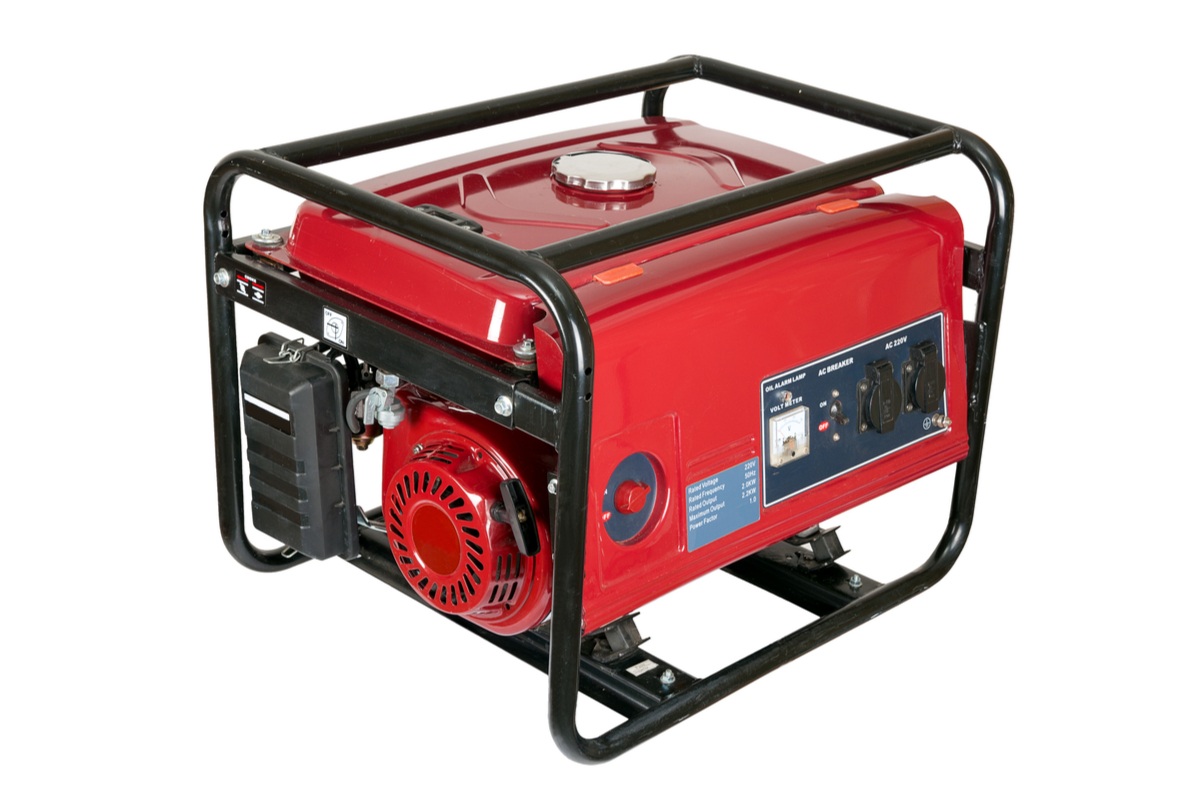
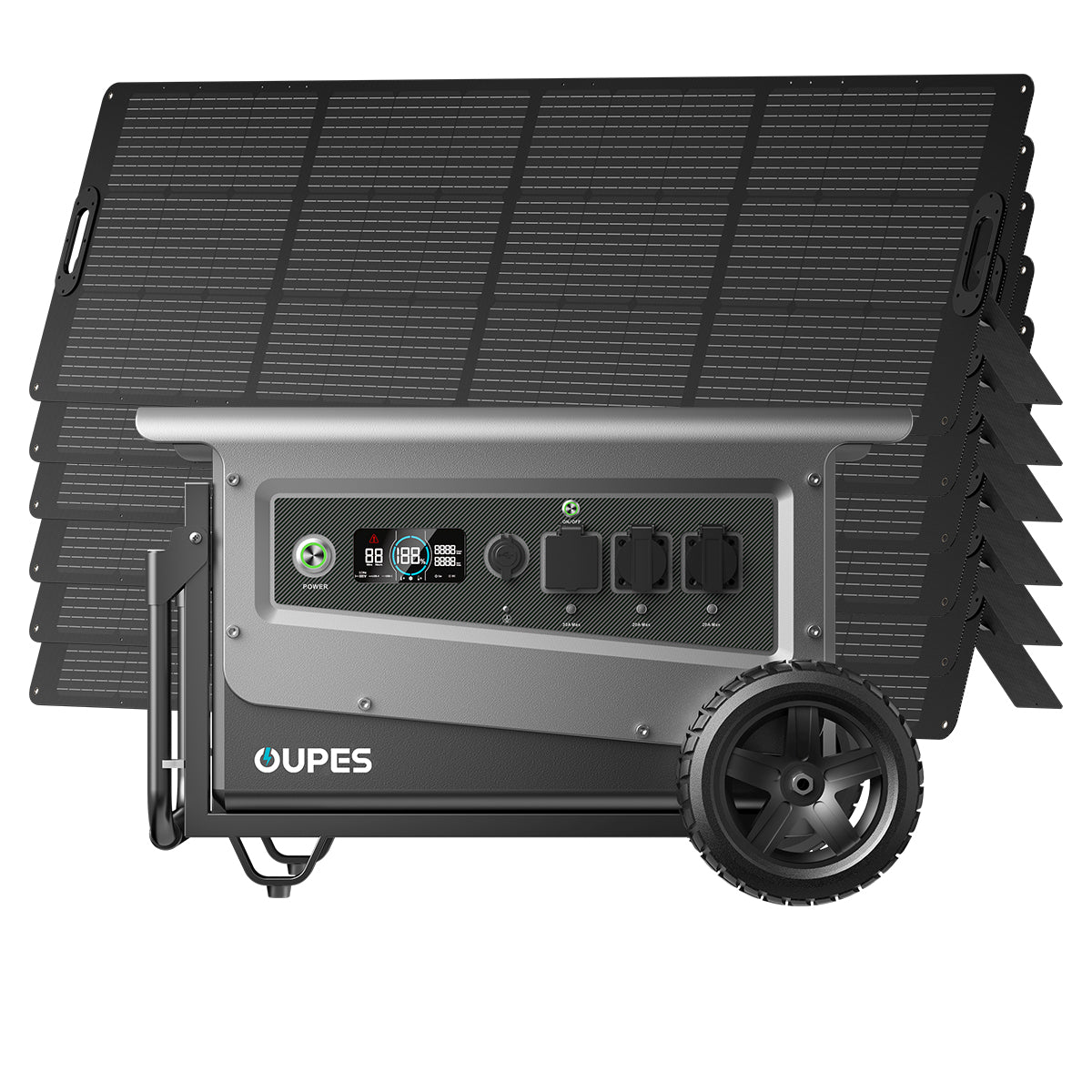
Quick detour! There are two main types of generators: inverter and conventional. Inverter generators are generally quieter, more fuel-efficient, and produce cleaner power (which is better for sensitive electronics). However, they tend to be more expensive.

Conventional generators are cheaper and often more powerful, but they're also louder and produce less clean power. For a refrigerator, either type will work, but if you value your sanity (and your neighbors'!), an inverter generator might be worth the extra investment.
The Bottom Line: Don't Let Your Beer Get Warm!
Choosing the right generator for your refrigerator isn’t rocket science. Figure out the starting and running wattage, add a buffer, and choose the type of generator that best suits your needs. Remember, a little extra research now can save you from a fridge full of warm, sad food later. And nobody wants that. Especially not me. I really like my ice cream.
Now, if you'll excuse me, I need to go make sure my generator is ready for the next blackout. Gotta protect that ice cream!