
What Uses The Most Electricity In Your House
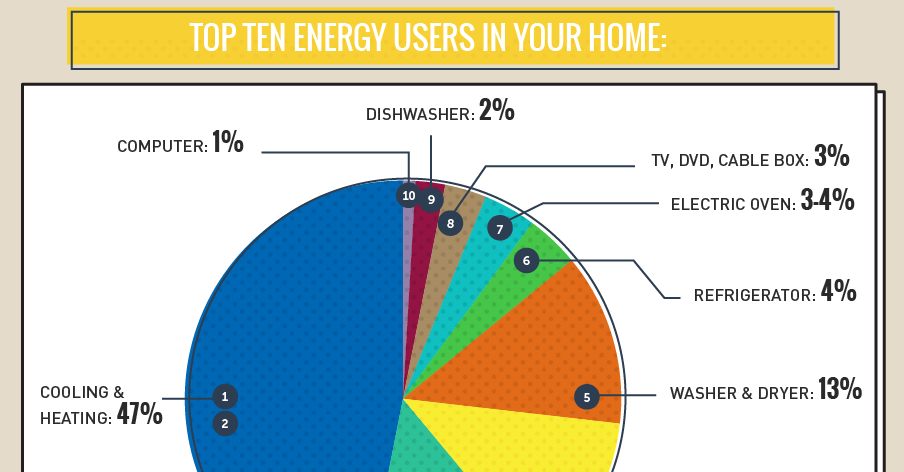
Ever wonder which appliance in your house is secretly plotting against your bank account? I mean, which one is guzzling the most electricity?
We’re about to embark on a thrilling quest to unmask the energy vampires lurking within your very walls. Get ready for some shocking (but safe!) revelations.
The Usual Suspects: Heating and Cooling
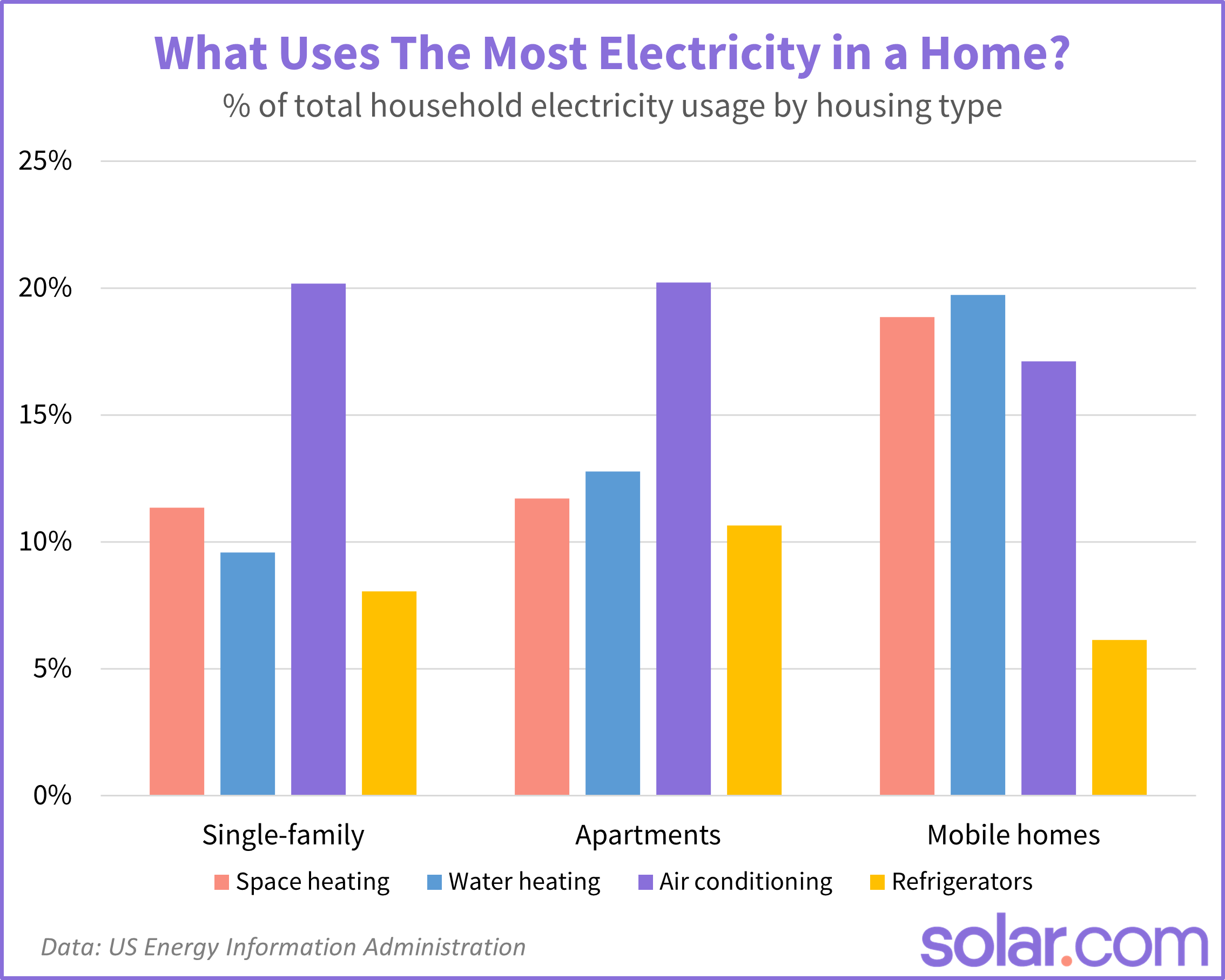
Let’s start with the obvious: your HVAC system. Think of it as the sumo wrestler of your energy bill, easily pushing aside all competitors.
Must Read
Especially when it’s battling the summer heat or winter chill. It's a constant struggle to keep your home at that perfect Goldilocks temperature.
Funny thing is, we often set the thermostat, then promptly forget about it, leaving it to wage war on the weather, and your wallet, unattended.
Heating Heroes (and Villains)
Electric furnaces and baseboard heaters? Big, burly energy hogs. They crank out the heat, but they’re not exactly known for their frugality.
Heat pumps are the relatively eco-friendly heroes of this story. They move heat instead of generating it, making them more efficient.
But even a heat pump can become a villain if it's fighting an uphill battle against poor insulation. Then it's working overtime and eating into your savings.
Cooling Crusaders (and Culprits)
Air conditioners are the summer superheroes, swooping in to rescue us from sweltering temperatures. But they require a LOT of power to perform their heroic deeds.
Central air conditioning systems are the most powerful cooling options. Window units, while less potent, can still pack a punch, especially if you're running several at once.
Ceiling fans are the unsung sidekicks, helping circulate air and making your AC's job a little easier. They're the Robin to your AC's Batman, if you will.
The Kitchen Culprits: Appliances with an Appetite
Next up, the kitchen. A place of culinary creativity, family gatherings…and energy consumption.
There are some real electricity guzzlers hiding amongst your pots and pans.
The Refrigerator: A Constant Companion (and Consumer)
Your refrigerator is the silent guardian of your groceries. It's running 24/7, keeping your food cold and your energy bill...well, consistently high.
Old refrigerators are notorious for their inefficiency. Think of them as vintage cars – charming, but not exactly fuel-efficient.
Pro-tip: Regularly clean the coils on the back of your fridge. It'll help it run more efficiently and keep it from working overtime.
The Oven: A Baking Beast
Ovens are power-hungry beasts, especially when preheating. That crispy pizza and those gooey brownies come at an energy cost.
Consider using smaller appliances like toaster ovens or air fryers for smaller meals. They use significantly less energy than a full-sized oven.
Plus, they often cook things faster, which is a win-win for both your stomach and your energy bill!
The Dishwasher: A Sparkling Savior
Dishwashers save us from the drudgery of hand-washing. But they use energy to heat the water and run the cycles.
Run your dishwasher only when it's full. And consider using the energy-saving settings. They might take longer, but they'll use less electricity.
Imagine all those precious kilowatt-hours you'll save! You could practically power a small country (okay, maybe just a lightbulb).
The Laundry Room Lurkers: Clean Clothes, High Costs
Ah, the laundry room. Where dirty clothes go to be transformed into clean, fresh-smelling garments. At a price, of course.
Your washing machine and dryer are working hard to keep you looking presentable. But they're also contributing to your energy consumption.
The Washing Machine: A Watery Wonder
Washing machines use energy to run the motor and heat the water (if you're not using cold water). Hot water cycles are the bigger energy drain.
Washing clothes in cold water is an easy way to save energy. Many detergents are designed to work effectively in cold water these days.
Plus, cold water is gentler on your clothes, helping them last longer. So you're saving money on energy AND clothing!
The Dryer: A Tumble of Trouble
Dryers are the real energy hogs in the laundry room. They use a lot of heat to evaporate the water from your clothes.
Clean the lint trap after every load. A clogged lint trap makes your dryer work harder and less efficiently.
Consider air-drying your clothes whenever possible. Sunshine is free, and it's a natural fabric softener! Plus, it's great for the environment.
The Entertainment Eaters: Gaming, Streaming, and More
In this digital age, our entertainment devices are essential. But they also consume electricity.
Televisions, gaming consoles, and streaming devices all contribute to your energy bill. Let's see who the biggest offenders are.
The Television: A Window to Another World
Televisions, especially large, high-definition ones, can use a significant amount of energy. The bigger the screen, the bigger the energy consumption.
Turning off your TV completely, instead of leaving it in standby mode, can save energy. Standby mode still uses electricity.
It's like having a tiny vampire sucking energy from your outlet while you're not even watching! Unplug it, and reclaim your power!
Gaming Consoles: Power-Ups and Power Drains
Gaming consoles are powerful machines that require a lot of energy to run. Especially during intense gaming sessions.
Turning off your console completely when you're not using it is a good idea. Leaving it in standby mode can still consume a surprising amount of energy.
Plus, unplugging it during lightning storms can protect it from power surges. Because nobody wants to lose their precious save files!
Streaming Devices: Small but Mighty
Streaming devices like Roku, Apple TV, and Amazon Fire Stick are relatively energy-efficient. But they still use electricity.
Unplugging them when you're not using them can save a small amount of energy over time. Every little bit helps!
It's like saving pennies – they might not seem like much individually, but they add up over time.
The Lighting Load: Illuminating Insights
Lighting is essential for creating a comfortable and functional home. But it can also contribute to your energy bill.
Traditional incandescent light bulbs are notoriously inefficient. They waste a lot of energy by producing heat.
Switching to LED bulbs is one of the easiest and most effective ways to save energy. LEDs use significantly less energy than incandescent bulbs and last much longer.
It's like trading in a gas-guzzling car for a hybrid. You'll save money on fuel (or electricity) and reduce your environmental impact.
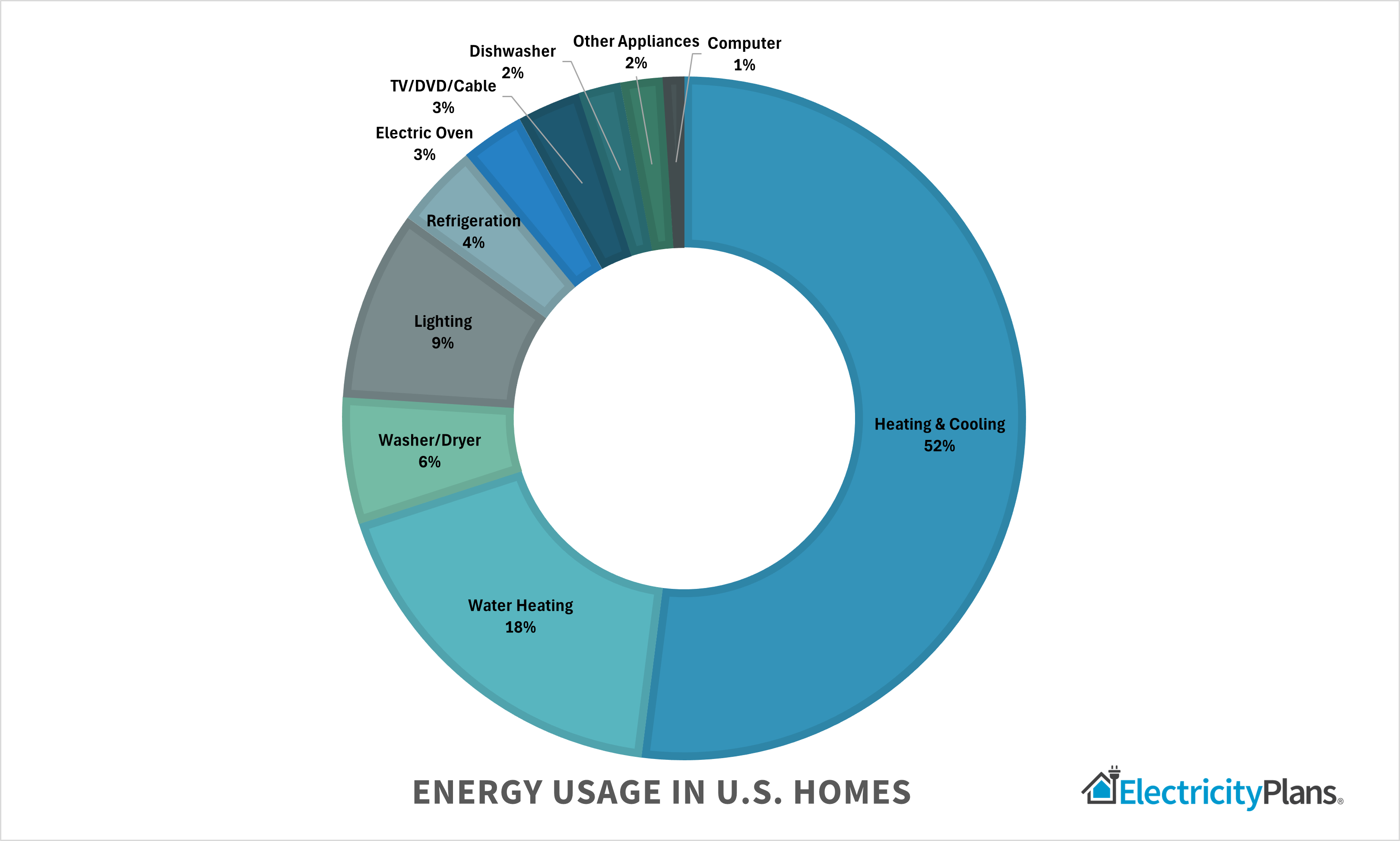
Consider using dimmer switches to control the brightness of your lights. Dimming the lights can save energy and create a more relaxing atmosphere.
And remember to turn off the lights when you leave a room! It's a simple habit that can make a big difference.
The Unseen Energy Vampires: Phantom Loads
Even when turned off, many electronic devices continue to draw small amounts of power. This is known as phantom load or vampire power.
Cell phone chargers, laptops, and other devices can still consume energy even when they're not charging anything. It's like they're secretly snacking on your electricity.
Unplugging these devices when you're not using them can save energy. Power strips can be helpful for turning off multiple devices at once.
Think of it as cutting off the vampire's supply. They can't drain your energy if they're not plugged in!
The Truth Revealed: It's a Team Effort
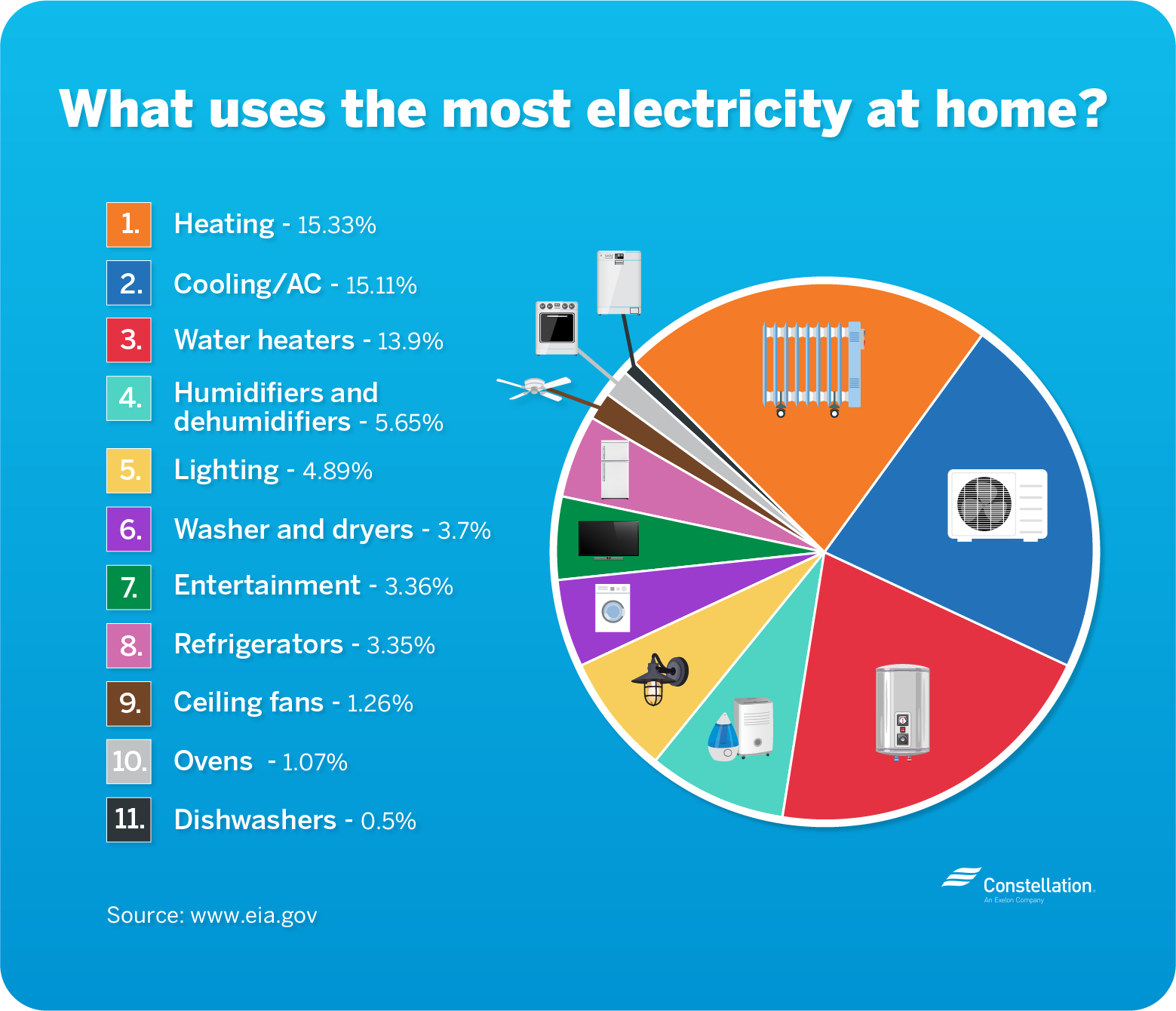
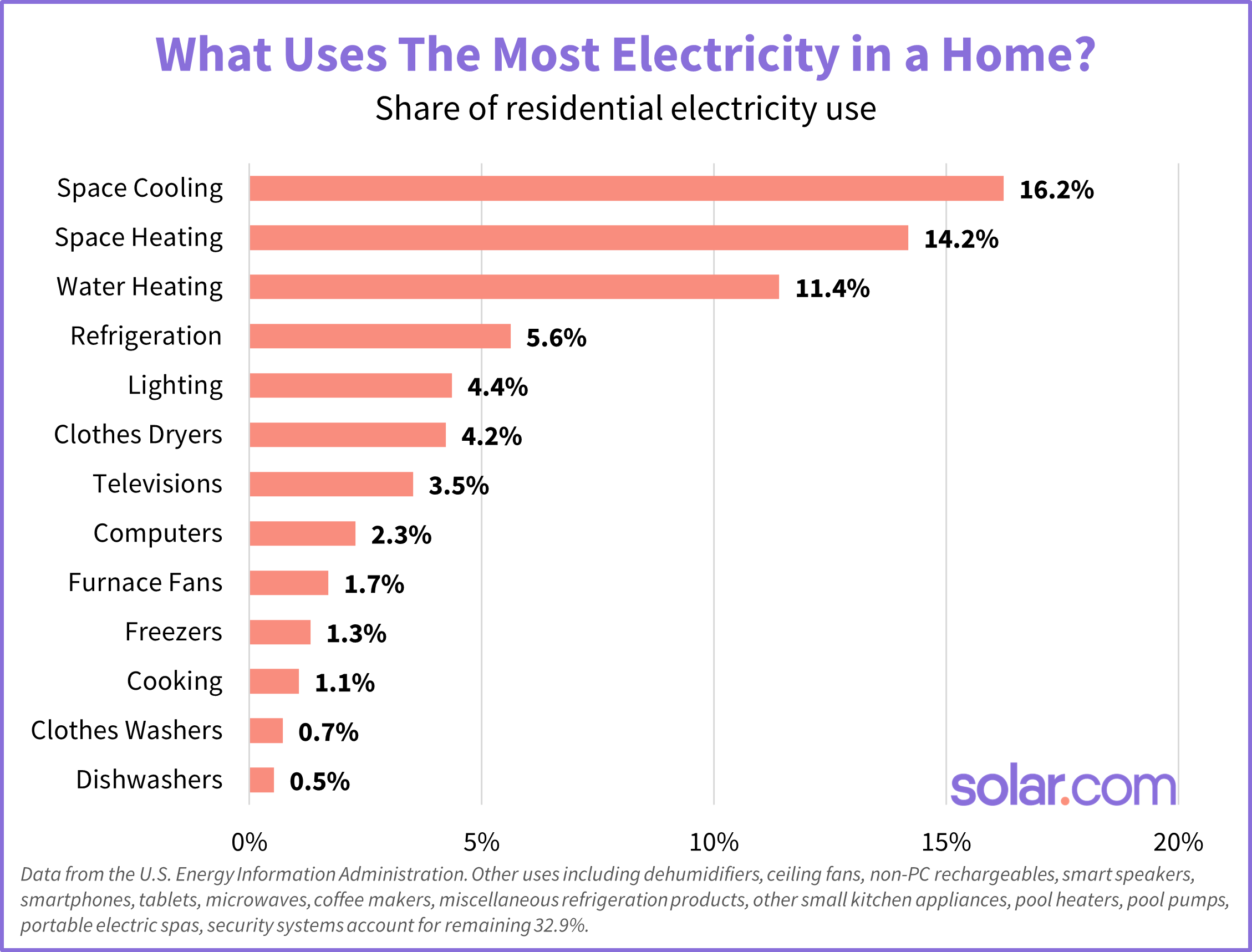
So, what uses the most electricity in your house? The answer is…it depends!
Heating and cooling are often the biggest culprits, but appliances, electronics, and lighting all contribute. It’s a team effort (a rather expensive one).
By understanding where your energy is going, you can make informed choices to reduce your consumption. And save some money in the process.
Embrace the challenge, become an energy detective in your own home. Your wallet (and the planet) will thank you!
Now go forth and conquer those energy vampires! You've got this!