
What Uses More Electricity Air Conditioner Or Heater

Okay, let's talk electricity! Specifically, let's dive into the age-old question that plagues homeowners and renters alike: what's the bigger energy hog, the air conditioner or the heater? It's a question with serious implications for your wallet and, let's be honest, the planet. So, grab a cozy blanket (or maybe a cool drink, depending on where you are!), and let's get into it.
Think of your electricity bill as a pizza. Each appliance in your home gets a slice. But some appliances, like your fridge (always on guard, keeping your snacks fresh!), get a pretty consistent, medium-sized slice. Others, like your microwave (a quick burst here and there), get a tiny sliver. The air conditioner and heater? Those are the hungry teenagers at the pizza party, eyeing the biggest slices possible.
The Heater: Battling the Cold
Let's start with the heater. When the temperature drops, your heater kicks into gear, working hard to warm up your home. The fundamental job of a heater is to create heat. Think about it: it's battling against the laws of physics, pumping thermal energy into a space that's constantly losing it to the cold outside. That takes some serious oomph!
Must Read
Imagine you're trying to fill a leaky bucket with water. The leak represents the heat escaping from your poorly insulated house. To keep the bucket (your house) full (warm), you have to pour in a lot of water (electricity) – constantly. That's your heater in action.
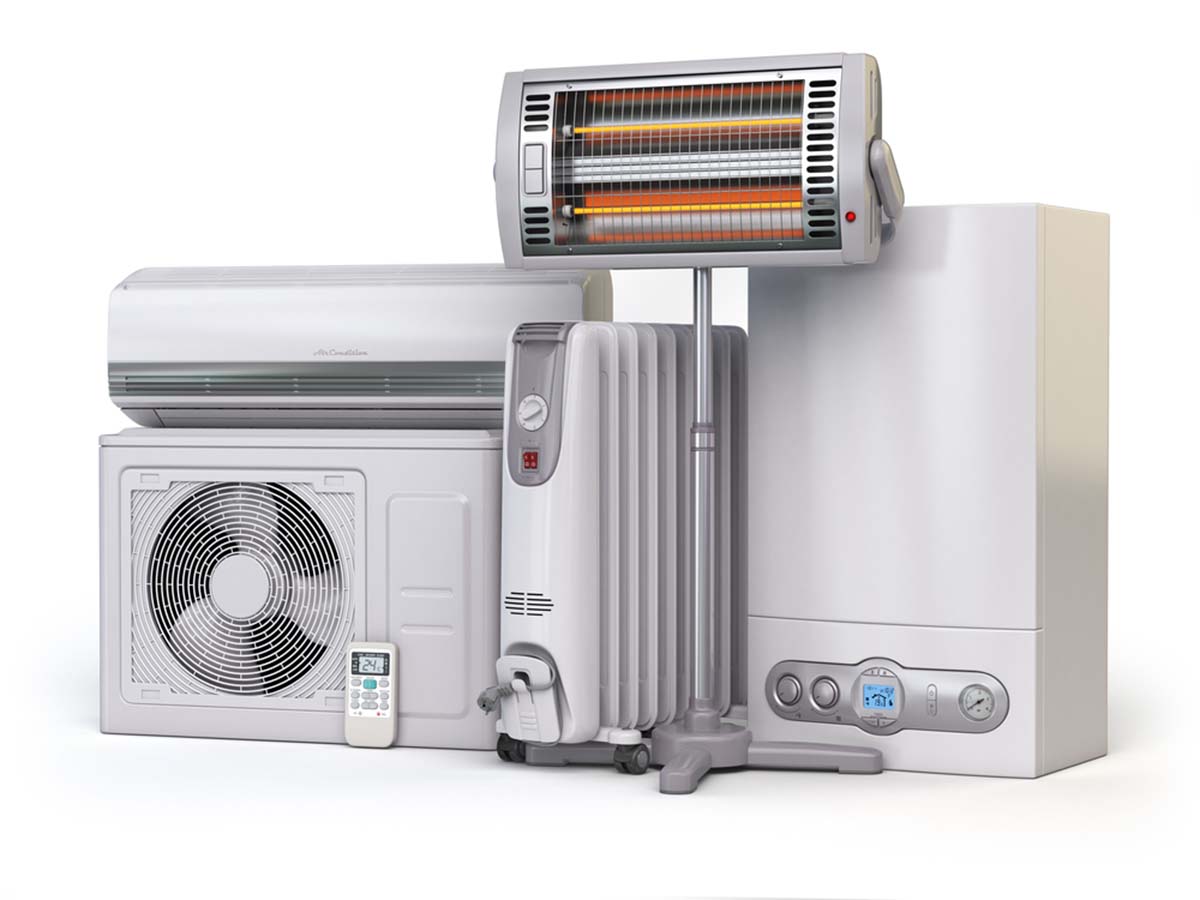
There are different types of heaters, of course. Electric resistance heaters, like space heaters and baseboard heaters, are notorious energy guzzlers. They work by running electricity through a coil, which gets super hot and radiates heat. Simple, but incredibly inefficient. Heat pumps are a bit more sophisticated. They don't create heat, but rather transfer it from one place to another (even from cold air!). This makes them generally more efficient than electric resistance heaters, but still, they're doing some heavy lifting.

The Air Conditioner: Keeping Cool Under Pressure
Now, let's cool down and talk about air conditioners. Air conditioners don't create cold air; they remove heat from your home. It’s like having a tiny heat-removing ninja working tirelessly in the background.
Think of it this way: you're sitting in a sauna, sweating buckets. An air conditioner is like a giant sponge, soaking up all that excess heat and dumping it outside. To do that, it uses a refrigerant, which goes through a cycle of compression and evaporation to absorb heat. This process requires energy, and the harder the AC has to work, the more energy it consumes.
Like heaters, air conditioners come in various forms. Window units are common and relatively inexpensive, but they're often less efficient than central air conditioning systems. Central ACs can cool an entire house, but they also require more ductwork and a more powerful compressor. Mini-split systems offer a compromise, allowing you to cool specific zones without the need for extensive ductwork.

The Showdown: Who's the Winner (or Loser?)
So, who wins the electricity-guzzling contest? The answer, as with most things in life, is: it depends.
Generally speaking, heaters, especially electric resistance heaters, tend to use more electricity than air conditioners. This is because creating heat from scratch is a more energy-intensive process than removing it.

However, several factors can influence the outcome: * Climate: If you live in a region with extremely cold winters, your heater will be running almost constantly, racking up a hefty bill. Similarly, if you live in a scorching hot climate, your AC will be working overtime. * Insulation: A poorly insulated home will leak heat (or cool air) like a sieve, forcing your heating or cooling system to work harder. * Thermostat Settings: Cranking up the heat to 80 degrees or blasting the AC at 60 degrees will definitely increase your energy consumption. * Efficiency of Appliances: Newer, energy-efficient models of both heaters and air conditioners use significantly less electricity than older, less efficient ones. Look for the Energy Star label! * Size of Your Home: Heating or cooling a large house requires more energy than a small apartment.
Think about it this way: Mrs. Gable in her drafty Victorian home in Minnesota probably spends a small fortune on heating during the winter. Meanwhile, Mr. Diaz in his sun-baked Arizona home is likely burning through electricity to keep his AC running all summer long.
Why Should You Care?
Okay, so you know which appliance might be the biggest energy hog. But why should you even care? Well, for starters, your wallet will thank you. Reducing your energy consumption can significantly lower your electricity bill, freeing up money for things you actually enjoy (like pizza!).
More importantly, reducing your electricity usage helps the environment. Burning fossil fuels to generate electricity contributes to greenhouse gas emissions, which are a major driver of climate change. By using less electricity, you're helping to reduce your carbon footprint and create a more sustainable future.
Easy Peasy Ways to Save!
So, what can you do? Here are a few simple tips: * Adjust your thermostat: A few degrees can make a big difference. * Seal up those drafts: Weather stripping and caulking can prevent heat loss (or cool air loss). * Use energy-efficient appliances: Look for the Energy Star label when buying new appliances. * Consider a programmable thermostat: Set it to automatically adjust the temperature when you're not home. * Wear appropriate clothing! Seriously, a sweater in the winter or shorts in the summer can reduce your reliance on heating and cooling.
In conclusion, while heaters, particularly older electric resistance models, tend to be the bigger energy consumers, the actual amount of electricity you use for heating and cooling depends on a variety of factors. By understanding these factors and taking steps to reduce your energy consumption, you can save money, help the environment, and enjoy a more comfortable home.