
What Unit Of Measurement Is Used To Measure Force

Hey there, curious minds! Ever wondered what mysterious yardstick scientists use to measure the invisible push and pull of the universe? I'm talking about force! We experience it all the time – when you lift a grocery bag, slam on the brakes in your car (hopefully not too often!), or even just sit in your chair right now. But how do we quantify it?
Well, buckle up, buttercup, because we're about to dive into the wonderful world of...wait for it...the Newton! (Cue dramatic music!).
The Magnificent Newton
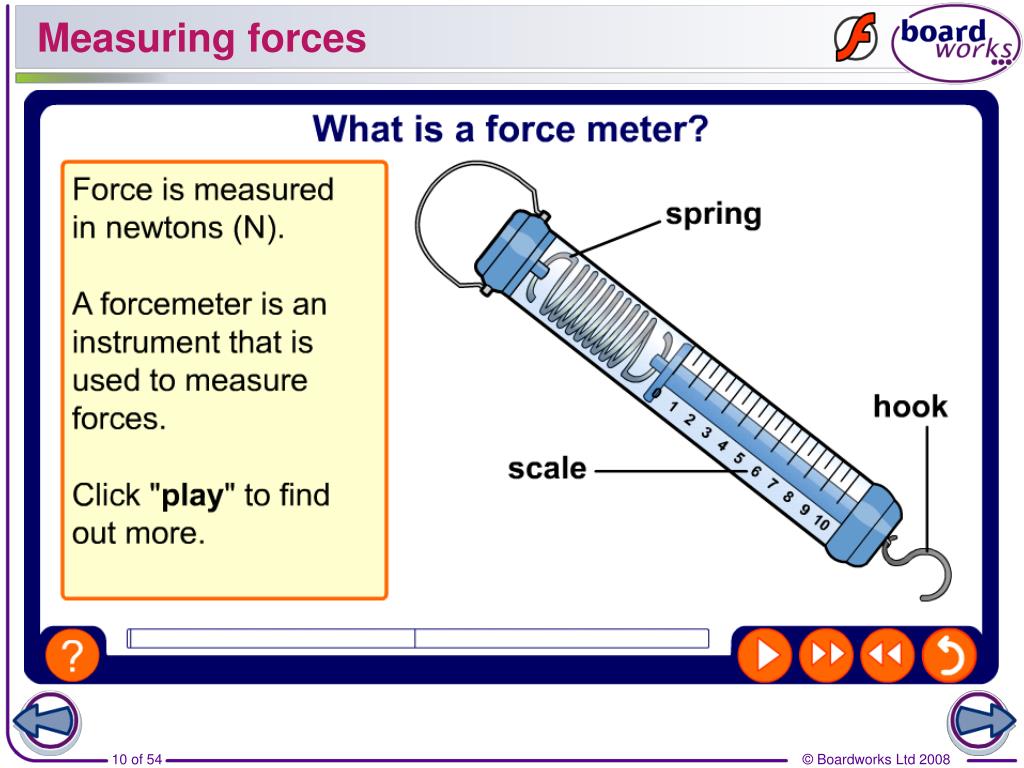
That's right, the standard unit of measurement for force is the Newton, often abbreviated as N. Named after Sir Isaac Newton, the legendary physicist who pretty much laid the groundwork for classical mechanics with his laws of motion. So, yeah, it's a pretty big deal.
Must Read
But what is a Newton, exactly? Don't worry, we're not gonna get bogged down in complicated equations. Think of it this way: One Newton is the amount of force required to accelerate a one-kilogram mass at a rate of one meter per second squared.
Okay, okay, I see your eyes glazing over. Let’s break it down. Imagine you have a kilogram – maybe a bag of sugar, or a slightly oversized apple. If you apply one Newton of force to that kilogram, it will start moving faster and faster, increasing its speed by one meter per second every second. Like a tiny, accelerating grocery bag! (Don't actually try this at home. Unless you're in a lab. With proper safety equipment. And a really, really clean floor).
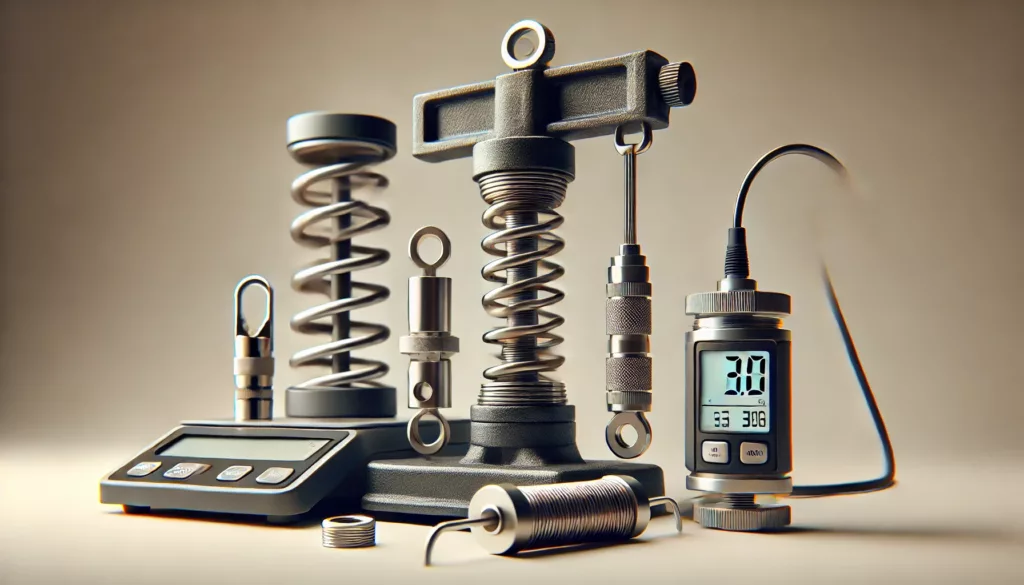
Why is this important? Because understanding force allows us to do…well, pretty much everything. Think about engineering: bridges, buildings, cars, airplanes – all designed with precise calculations of forces acting upon them.
Or sports! How hard do you need to kick a soccer ball to get it into the goal? How much force does a baseball bat need to exert to send a home run soaring into the stands? These are all questions that involve Newtons!

Beyond the Newton: Other Units of Force
While the Newton is the standard unit in the SI system (International System of Units), you might encounter other units of force, depending on where you are in the world or what field you're working in.
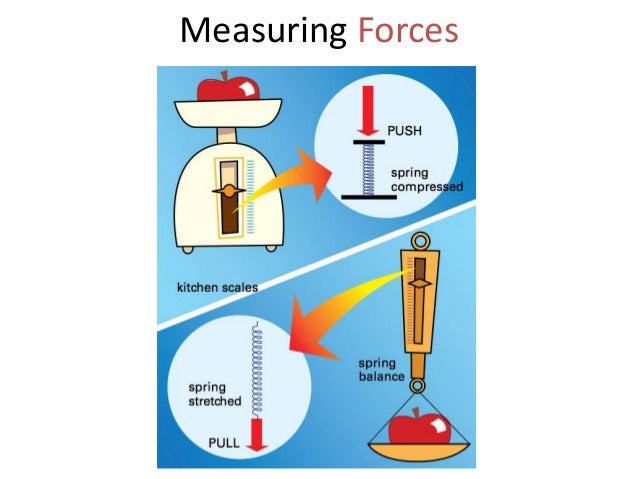
For example, in the imperial system (still used in the United States), you'll often find force measured in pounds-force (lbf). Don't confuse that with pounds of mass! Pounds-force takes into account the acceleration due to gravity. There’s a conversion factor between Newtons and pounds-force: roughly 4.45 Newtons equals one pound-force. So, lifting a 1 lbf dumbbell is almost equivalent to lifting a 4.45 N one.
Aren't units fun? Just kidding (sort of). But honestly, understanding these differences is crucial if you're ever working on international projects or reading scientific literature from different sources.
Why Should You Care About Force (And Newtons)?
Okay, so maybe you're not planning on becoming a rocket scientist anytime soon (although, who knows? Maybe you are!). But understanding force is still super useful in everyday life. Think about it:
- Moving Furniture: Knowing how much force you need to apply to shove that couch across the room (and hopefully not scratch the floor!).
- Opening a Jar: Ever struggled with a stubborn jar lid? Understanding leverage and force can help you get it open without resorting to brute strength (or a rubber band).
- Understanding Exercise: Knowing how much weight you're lifting and the forces involved can help you optimize your workouts and prevent injuries.
- Just Being Generally Awesome: Seriously, understanding the world around you is empowering. Knowing that you can quantify something as fundamental as force makes you feel like you have a little bit more control over your environment.
And hey, next time you're watching a sporting event, you can impress your friends with your newfound knowledge of Newtons! "Wow, look at the force that pitcher is generating! Easily over 500 Newtons!" They'll think you're a genius! (Or at least, mildly interesting).
So, there you have it! The humble but mighty Newton, the unsung hero of physics. It's the unit we use to measure force, the invisible hand that shapes our world. And hopefully, you now have a slightly better understanding of what it is and why it matters.
Don’t stop here! The world of physics is vast and fascinating. Go explore! Look up Newton’s laws of motion. Investigate how force relates to pressure. Try to estimate the forces involved in everyday activities. You might just surprise yourself with what you discover. The universe is waiting to be understood, one Newton at a time!