
What Unit Measures The Strength Of An Electric Current
Okay, so you're curious about electric current, huh? Awesome! Let's talk about what measures its strength. Forget complicated science jargon for a sec. We're going simple.
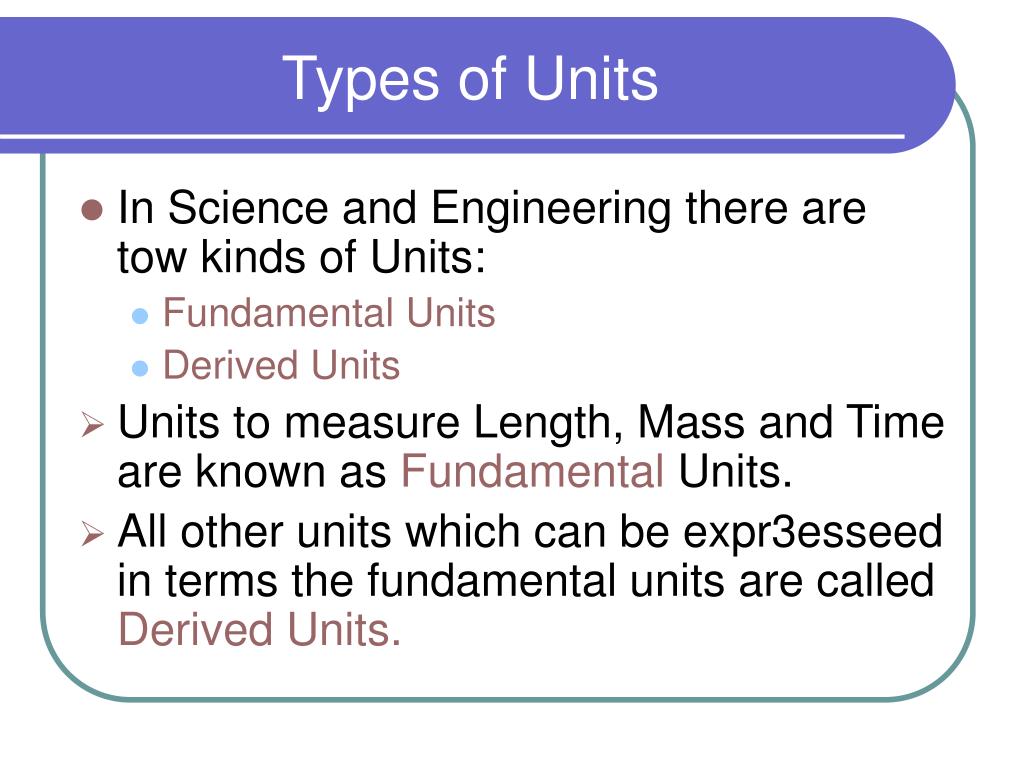
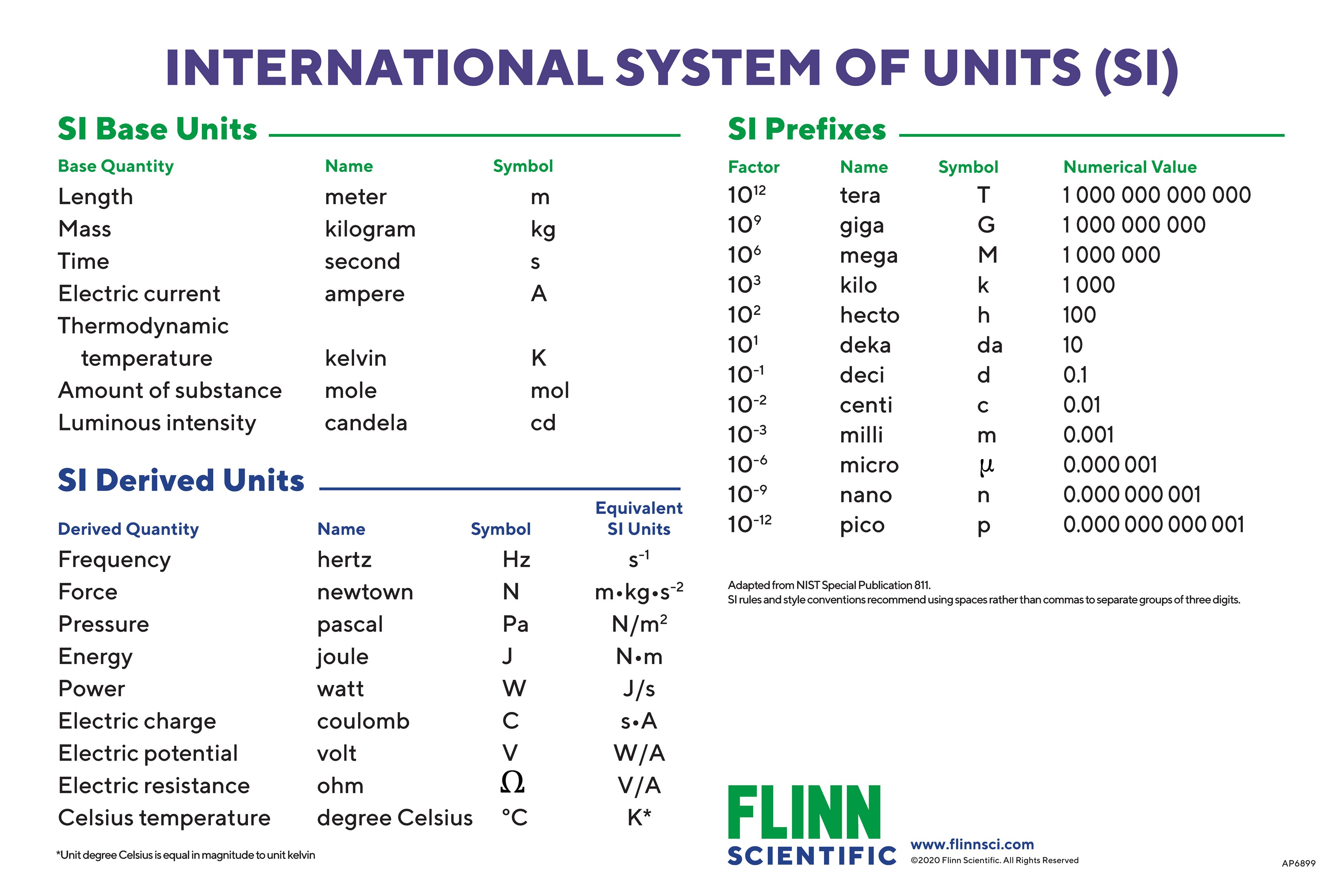
The unit we're after is the mighty Ampere! Or, if you're feeling chummy, just "Amp." It's like the muscle of the electric world.
Imagine a river. The amount of water flowing past a point every second? That's kind of like current. More water? Stronger current! More Amps!
Must Read
Who Was This "Ampere" Guy Anyway?
Good question! Andre-Marie Ampere was a French physicist. Super smart cookie. He basically laid the groundwork for our understanding of electromagnetism. We named the unit after him as a thank you. Smart move, right?
Think of him as the rockstar of electricity. Without Ampere, no electric guitars, no Netflix, no cat videos. The horror!
Fun fact: Ampere also did work in mathematics and philosophy. Talk about a Renaissance man!
He even invented the electrical telegraph independently of others. Dude was busy.

So, What Does an Amp Really Measure?
Essentially, an Amp measures the rate of flow of electrical charge. Think of those tiny electrons zipping around. How many of them zoom past a certain point in a second? That's what Amps tell you.
More electrons zipping? Higher current. Fewer electrons? Lower current. Simple as that!
It's like counting the number of tiny electric ninjas sneaking past you per second. The more ninjas, the stronger the electric force (or something like that!).
And remember, it’s all about the rate of flow. A small number of electrons moving super fast can still add up to a substantial amperage.
Amps in Everyday Life
You're using Amps right now! Your phone charger? It delivers a certain amperage. Your light bulb? Needs a certain amperage to shine bright. Everything electric needs a dose of Amps to do its thing.
Think about a toaster. Needs a LOT of Amps to heat up those delicious carbs. A tiny LED light? Barely sips any Amps at all. That’s why toasters can trip your breakers and LEDs can stay on for weeks with tiny batteries.
It's like the fuel for your devices. Different devices need different amounts of fuel. Too much fuel? Bad news (blown fuses!). Not enough? Device won't work.
And that’s why outlets have different amperage ratings. Kitchen appliances usually get the beefier ones.
Voltage vs. Amperage: They're a Team!
Don't confuse Amps with Volts! Volts are like the pressure pushing the electrons along. Amps are the amount of electrons actually flowing.
Think of it like a water hose. Voltage is the water pressure. Amperage is how much water is coming out.
You can have high voltage but low amperage (think static electricity – zap!). Or, you can have low voltage but high amperage (think a car battery – lots of power!).
They work together to deliver the power you need. It’s a beautiful (and sometimes dangerous) partnership.
Why Should You Care About Amps?
Safety! Knowing about Amps can help you avoid electrical shocks and fires. Seriously, electricity is cool, but respect it!
Overloading a circuit is a no-no. Too many devices drawing too many Amps can trip a breaker or, worse, start a fire. Be mindful of how much power you're using.

Plus, understanding Amps can help you choose the right chargers and power supplies for your devices. No more guessing!
Imagine trying to charge your laptop with a phone charger. It just won't work (properly)! Because the amperage is too low. The laptop is power-hungry!
So, Next Time You See an "A"...
...remember Andre-Marie Ampere, and the powerful unit that measures the flow of electric charge. You're now officially a little more knowledgeable about the electrifying world around you!
Go forth and impress your friends with your newfound Amp-related knowledge! You'll be the life of the (electrically charged) party.
And remember, electricity is fascinating, but always be safe and respectful! Now go unplug something unnecessary and save the planet!