
What Types Of Welding Are There

Ever look at something incredibly sturdy, perhaps a beautiful metal sculpture, a custom-built motorcycle, or even just the robust railing on your porch, and wonder, "How did they make that?" Chances are, the answer involves welding! It might sound intimidating, conjuring images of sparks flying and burly folks in thick masks, but guess what? Welding is an incredibly diverse, accessible, and frankly, super fun skill that opens up a whole world of possibilities. Seriously!
Think about it: with welding, you’re not just joining two pieces of metal; you’re literally creating something new, strong, and lasting. You’re becoming a modern-day blacksmith, a metal magician! And trust me, it’s not just for the pros. Many types of welding are surprisingly easy to pick up, and they can transform your DIY projects, art aspirations, or even just your ability to fix things around the house.
So, let's peel back the visor and take a joyful peek at some of the most common and exciting types of welding out there. Get ready to feel that spark of inspiration!
Must Read
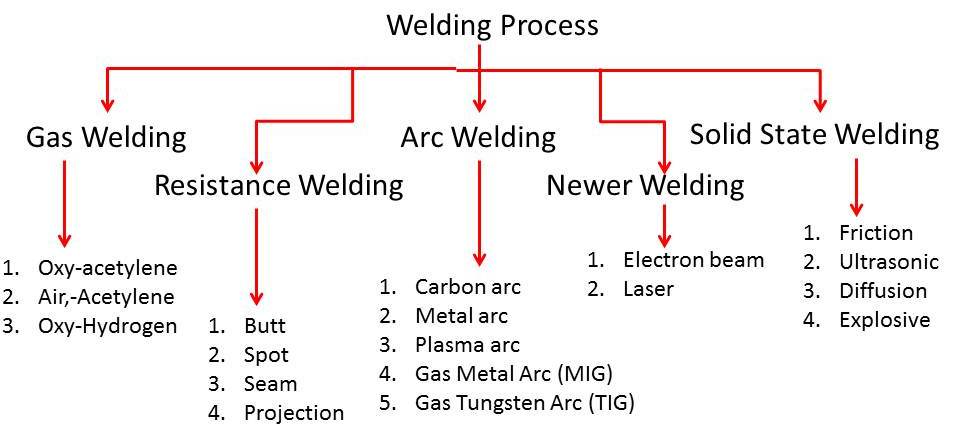
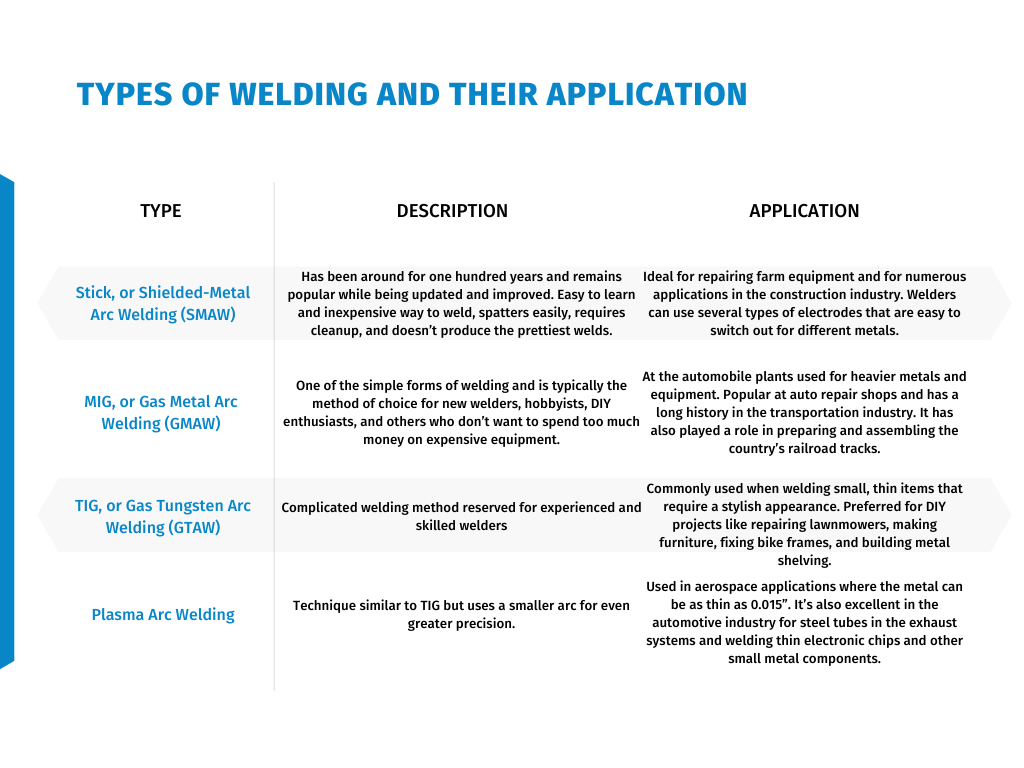
Stick Welding (SMAW): The Classic Workhorse
Ah, Stick Welding, or Shielded Metal Arc Welding (SMAW). This is often what people picture when they hear "welding." Imagine a rugged individual, a single electrode (the "stick") in hand, creating a shower of sparks. It’s the OG of welding, robust and forgiving!
Why is it great? Well, it's incredibly versatile and relatively inexpensive to get started. It’s fantastic for outdoor work because wind doesn't mess with its shielding gas (because it makes its own!). It handles slightly dirty or rusty metal like a champ. Think heavy construction, repair work on farms, or just learning the basic principles of arc welding. It's tough, it gets the job done, and there’s a real satisfaction in laying down a good stick weld. It might take a bit of practice to get a smooth bead, but mastering it feels like you've unlocked a secret power!
MIG Welding (GMAW): Your Friendly Entry Point
If stick welding is the seasoned cowboy, then MIG Welding (Metal Inert Gas, or GMAW) is the friendly, high-tech robot. This is often recommended as the best starting point for beginners, and for good reason! Why? Because it’s incredibly easy to learn.
With MIG, you essentially have a trigger-operated gun that continuously feeds a wire electrode, while also bathing the weld area in an inert shielding gas to protect it from contamination. It's often described as "point and shoot" because once you set it up correctly, you just pull the trigger and move the gun. The result? Smooth, clean welds that look professional. Perfect for automotive repairs, building custom furniture, creating metal art, or tackling those home improvement projects you've been dreaming about. Seriously, if you want to get into welding and see results quickly, MIG is your go-to.
TIG Welding (GTAW): The Artist's Touch
Now, if you're looking for precision, beauty, and welds that are almost too perfect to believe, then TIG Welding (Tungsten Inert Gas, or GTAW) is your jam. Think of it as the surgical artist of the welding world. TIG uses a non-consumable tungsten electrode and a separate filler rod, all protected by an inert gas (usually argon).
This method offers unparalleled control over the heat and the filler material, allowing for incredibly strong, clean, and visually stunning welds on almost any metal, including super thin stuff or exotic alloys. Aerospace components? Medical instruments? High-end custom bikes? That's TIG country! It's definitely harder to master than MIG – it requires coordination between both hands and a foot pedal – but the results are so rewarding. If you've got a steady hand and an eye for detail, TIG welding lets you create true masterpieces.
Flux-Cored Arc Welding (FCAW): The Outdoor Warrior
What if you love the continuous wire feed convenience of MIG but need to weld outdoors where the wind plays havoc with shielding gas? Enter Flux-Cored Arc Welding (FCAW)! This method uses a tubular wire filled with a flux material that, when heated, creates its own protective gas shield. No external gas bottle needed!
This makes FCAW incredibly practical for outdoor projects, welding thicker materials, or working in conditions where carrying a gas tank is inconvenient. It produces a bit more smoke and splatter than MIG, but it’s exceptionally good at penetrating thick metal and handling less-than-perfect surfaces. It’s widely used in construction, heavy equipment repair, and any situation where portability and power are paramount. It’s like MIG's tougher, more rugged sibling, ready for anything Mother Nature throws its way.

So, Which One Sparks Joy for You?
From the robust utility of Stick, the beginner-friendly speed of MIG, the artistic precision of TIG, to the outdoor resilience of Flux-Cored, there's a welding method out there that's practically calling your name! Each type has its own personality, its own challenges, and its own unique rewards. And guess what? Learning about them is just the beginning.
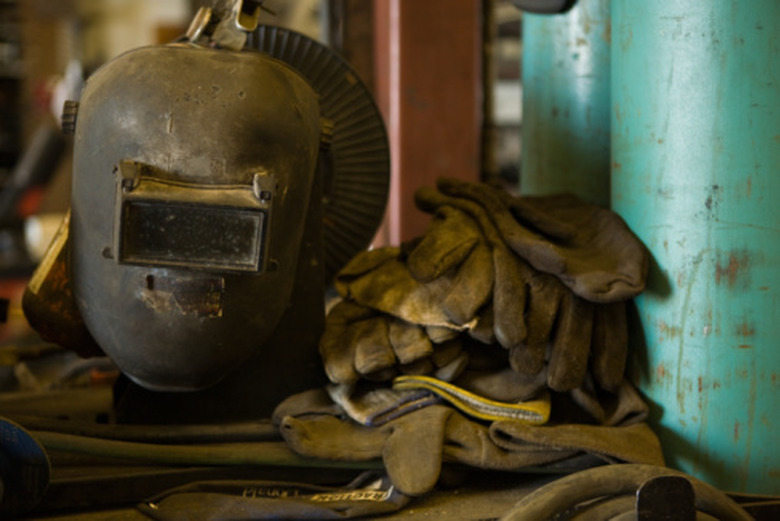
Imagine being able to fix that broken metal chair, craft your own unique garden gate, build a sturdy workbench, or even sculpt an amazing piece of art. The power to create, repair, and build is truly empowering. Of course, safety is always paramount – wear your gear, learn from experts, and take proper precautions – but don’t let that dim your enthusiasm!
So, why not take the plunge? Look up a local welding class, watch some beginner tutorials online, or visit a welding supply store to chat with the pros. You might just discover a passion you never knew you had. Welding isn't just a trade; it's a creative outlet, a problem-solving superpower, and a fantastic way to connect with the satisfaction of making something real. Go on, embrace the sparks and build something amazing!