What Types Of Welders Are There

Ever gazed at a fancy metal gate or watched a construction crew putting together a steel frame and thought, "Man, how do they stick all that metal together?" Chances are, welding was involved. But here's the kicker: just like asking "what kind of car is that?" can lead to a surprisingly long answer, asking "what kind of welder is that?" opens up a whole fascinating world. It's not just one magic wand; there's a whole crew of specialized metal-joining superheroes!
Think of welders like different tools in your kitchen drawer. You wouldn't use a tiny whisk to flip a pancake, right? Same principle applies here. Different jobs call for different techniques, and each one has its own quirks and personality.
The Grumpy, Reliable Grandpappy: Stick Welding (SMAW)
Ah, Stick Welding, or SMAW (Shielded Metal Arc Welding) as the pros call it. This is your grandpappy of welding. It's been around forever, it's rugged, it's a bit rough around the edges, but my goodness, it gets the job done. Picture that trusty old pickup truck that's seen better days but still starts every morning without fail. That's stick welding.
Must Read
It uses an electrode that looks like a coated metal rod – the "stick." As it melts, the coating creates a protective gas shield and slag, kind of like a tiny, self-contained forge. It’s fantastic for outdoor jobs where there's wind trying to mess with your shield gas, and it doesn't mind rusty or dirty metal as much as some of its fancier cousins. You'll see this everywhere, from fixing a farm gate to building massive bridges. It's not always the prettiest, but it’s strong and reliable. It’s the type that says, "I don't need fancy, I just need to work."
The Easy-Going New Kid: MIG Welding (GMAW)
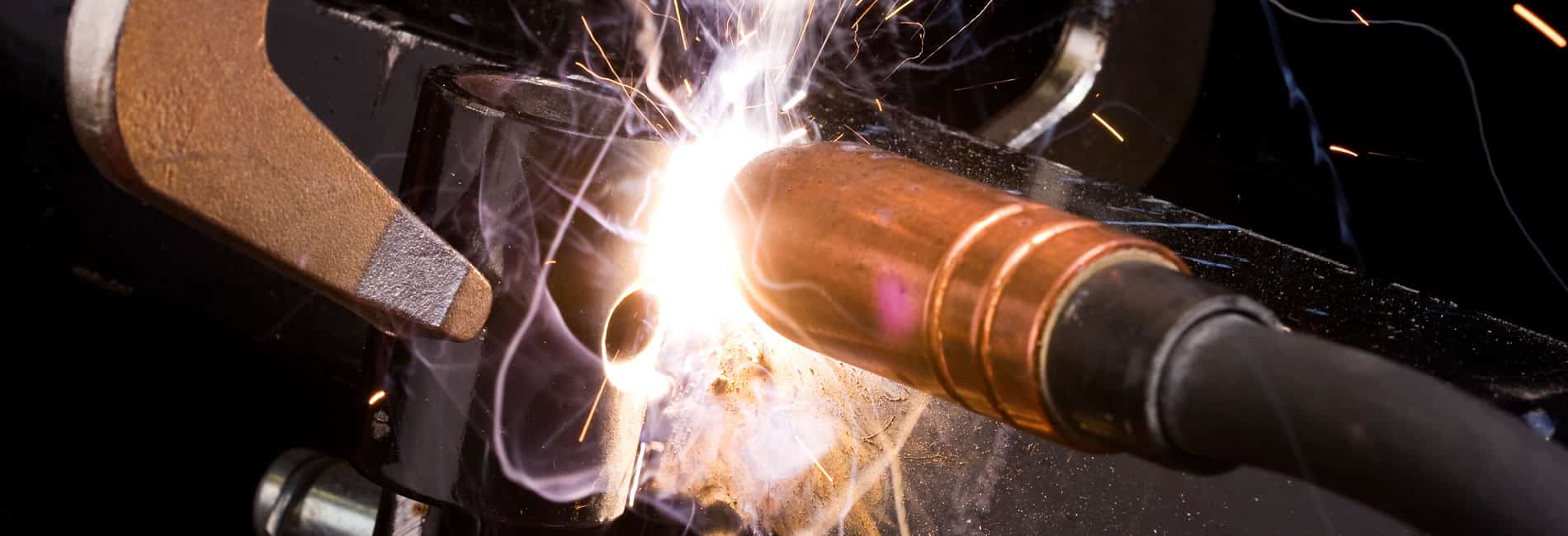
Next up, meet MIG Welding, or GMAW (Gas Metal Arc Welding). If stick welding is the grizzled veteran, MIG is the eager, friendly intern. This is often the go-to for beginners because it's so much easier to learn. Think of it like a hot glue gun for metal. You pull the trigger, and a continuous wire feeds out while a shielding gas protects the weld. It’s fast, it’s clean, and it produces really nice-looking welds without a ton of fuss.
MIG is fantastic for automotive work, thin sheet metal, and general fabrication where speed and aesthetics matter. It's the point-and-shoot camera of welding – you just aim and fire, and generally, you get a good result. It's incredibly versatile for many everyday welding tasks, from fixing your car's exhaust to making art. However, it's not a fan of windy conditions outdoors, as that pesky shield gas can blow away, leaving your weld vulnerable.
The Zen Master Artist: TIG Welding (GTAW)
Now, for the crème de la crème, the surgeon with the steady hand: TIG Welding, or GTAW (Gas Tungsten Arc Welding). If MIG is like painting with a roller, TIG is like painting with a tiny, delicate brush. This method uses a non-consumable tungsten electrode and a separate filler rod, all under a blanket of inert gas (usually argon).
TIG welds are known for being incredibly clean, precise, and frankly, gorgeous. They're like the perfectly iced cake in a bakery window. You'll find TIG being used on aerospace components, medical equipment, racing car frames, and anything where absolute precision and weld integrity are paramount. It requires a lot of skill and coordination – usually involving both hands and a foot pedal! It's not for the impatient, but the results are truly a work of art. It’s definitely the technique that makes you feel like a true artisan.
The Tougher, Outdoor Cousin: Flux-Cored Arc Welding (FCAW)
You know how MIG welding loves to stay indoors where it’s nice and calm? Well, Flux-Cored Arc Welding (FCAW) is its tougher, more independent cousin. It looks a lot like MIG because it uses a continuous wire feed, but here’s the clever bit: the wire itself has a flux core. This flux creates its own shielding gas when it burns, meaning you don't always need an external gas tank.
This makes FCAW brilliant for outdoor work, even in windy conditions, and it's fantastic for welding thicker, heavier metals quickly. Think of it as MIG that’s packed its own lunch and doesn’t need anyone else to hold its hand. You'll see it a lot in heavy construction, shipbuilding, and repair jobs where speed and penetration are key, and a little spatter is no big deal. It’s not as pretty as TIG, but it’s a total workhorse.
And The Industrial Giants...
Beyond these main players, there are even more specialized welders out there! Think of Submerged Arc Welding (SAW), which is like a giant, automated robot vacuum for metal, laying down huge welds on thick plates without anyone seeing the arc. Or Plasma Arc Welding (PAW), which is like TIG's hotter, faster big brother, capable of intense, concentrated heat. These are usually found in massive industrial settings, silently doing the heavy lifting in factories you rarely see.
So, the next time you see something welded, give a little nod. Remember that behind every sturdy connection, there's a welder who chose just the right technique – whether it was the grumpy grandpappy, the easy-going new kid, the zen master, or the tough outdoor cousin – to get the job done right. It's a whole world of sparks, skill, and strong bonds!