
What Type Of Welder Do I Need

Ever found yourself staring at a wall of welders in a hardware store, feeling like you've stumbled into an alien spaceship convention? One looks like a transformer, another a fancy lunchbox, and you're just standing there, wide-eyed, thinking, "I just want to fix that wobbly fence post, not launch a satellite!" Trust me, you're not alone. Picking the right welder can feel as overwhelming as choosing a coffee order in a new city – so many options, so much jargon, and all you really want is a decent cup!
But fear not, intrepid DIYer! Just like you wouldn't use a butter knife to chop firewood (unless you're really desperate and have a lot of time), picking the right welder is all about matching the tool to the task. Let's demystify these metal-melting marvels, shall we?
The "Hot Glue Gun" of Welding: MIG (Gas Metal Arc Welding)
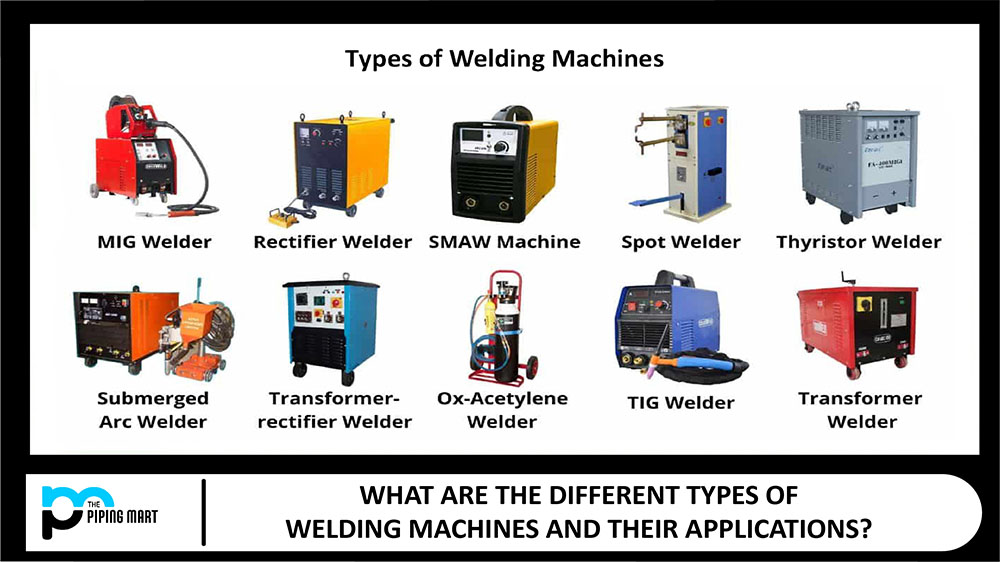
Ah, MIG welding. This is often the gateway drug for many welding enthusiasts, and for good reason. Imagine a super-powered hot glue gun that uses metal wire instead of glue sticks. You pull the trigger, and a continuous stream of wire feeds out, melting into a beautiful, buttery bead. It's relatively easy to learn, like riding a bike with training wheels, and you can get decent results pretty quickly.
Must Read
MIG is fantastic for beginners, for fixing up your car, or for tackling most home projects. Think of it as the versatile family sedan of welders – reliable, comfortable, and gets the job done for most everyday tasks. If you're looking to fix that rusty lawnmower deck or build a sturdy workbench without pulling out all your hair, MIG is probably your new best friend.
The "Surgeon's Scalpel" of Welding: TIG (Gas Tungsten Arc Welding)
Now, if MIG is the hot glue gun, then TIG welding is the finely tuned surgeon's scalpel – or perhaps the artist's paintbrush. This is where things get a bit more delicate, like trying to thread a needle while riding a unicycle. With TIG, you're usually using two hands: one to hold the torch and the other to manually feed a filler rod into the weld puddle. It requires serious hand-eye coordination, patience, and a zen-like focus.
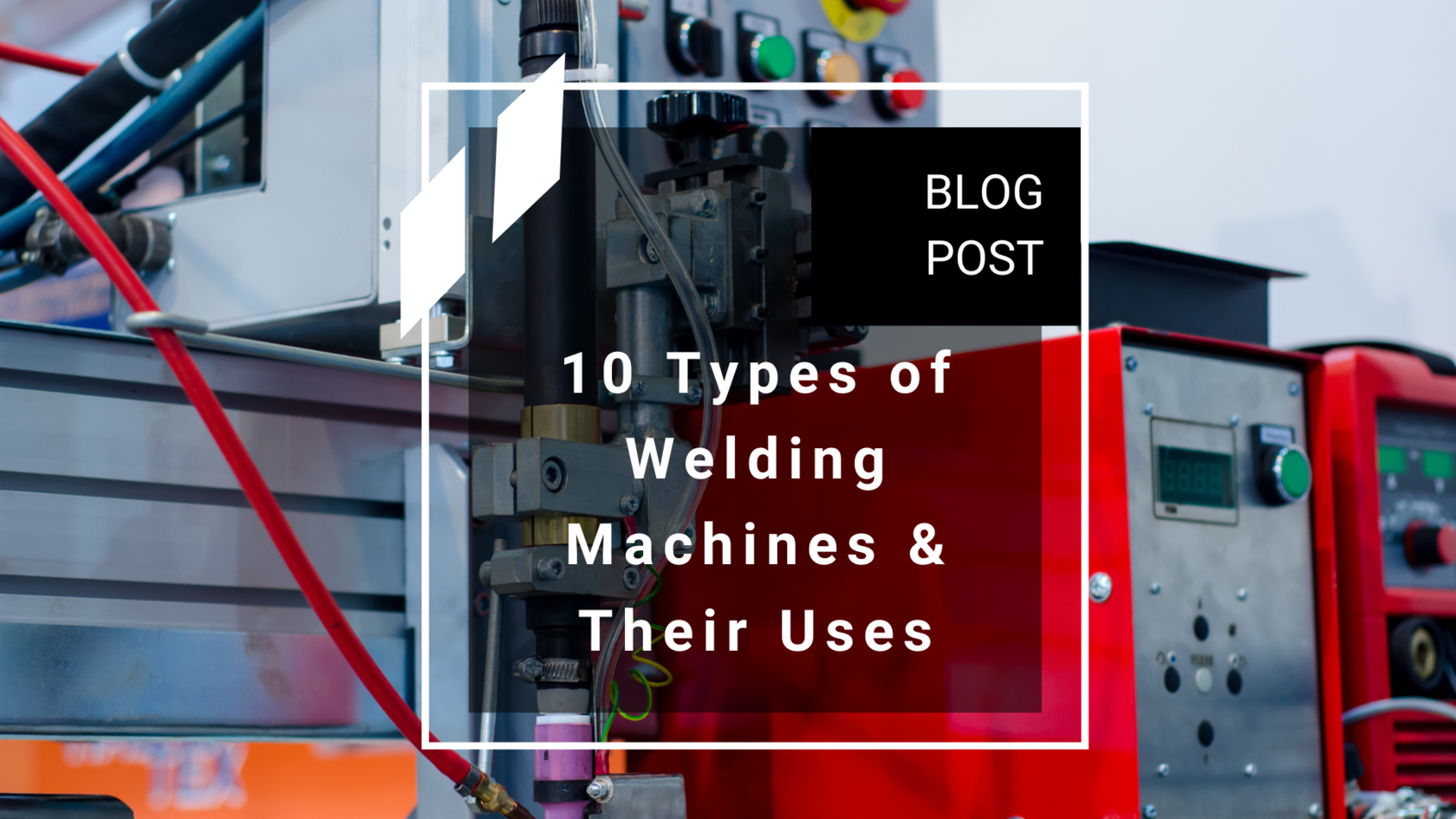
Why bother with all that fuss? Because TIG produces welds that are unbelievably clean, precise, and beautiful. We're talking welds so pretty they belong in an art gallery. It's perfect for thinner metals, aluminum, stainless steel, and when aesthetics are paramount. If you're building custom motorcycle frames, aerospace components, or just want to impress your friends with seamless artistry, then TIG is your sophisticated choice. It’s like the bespoke suit of welding – takes effort, but the results are undeniably classy.
The "Rugged Workhorse" of Welding: Stick (Shielded Metal Arc Welding)
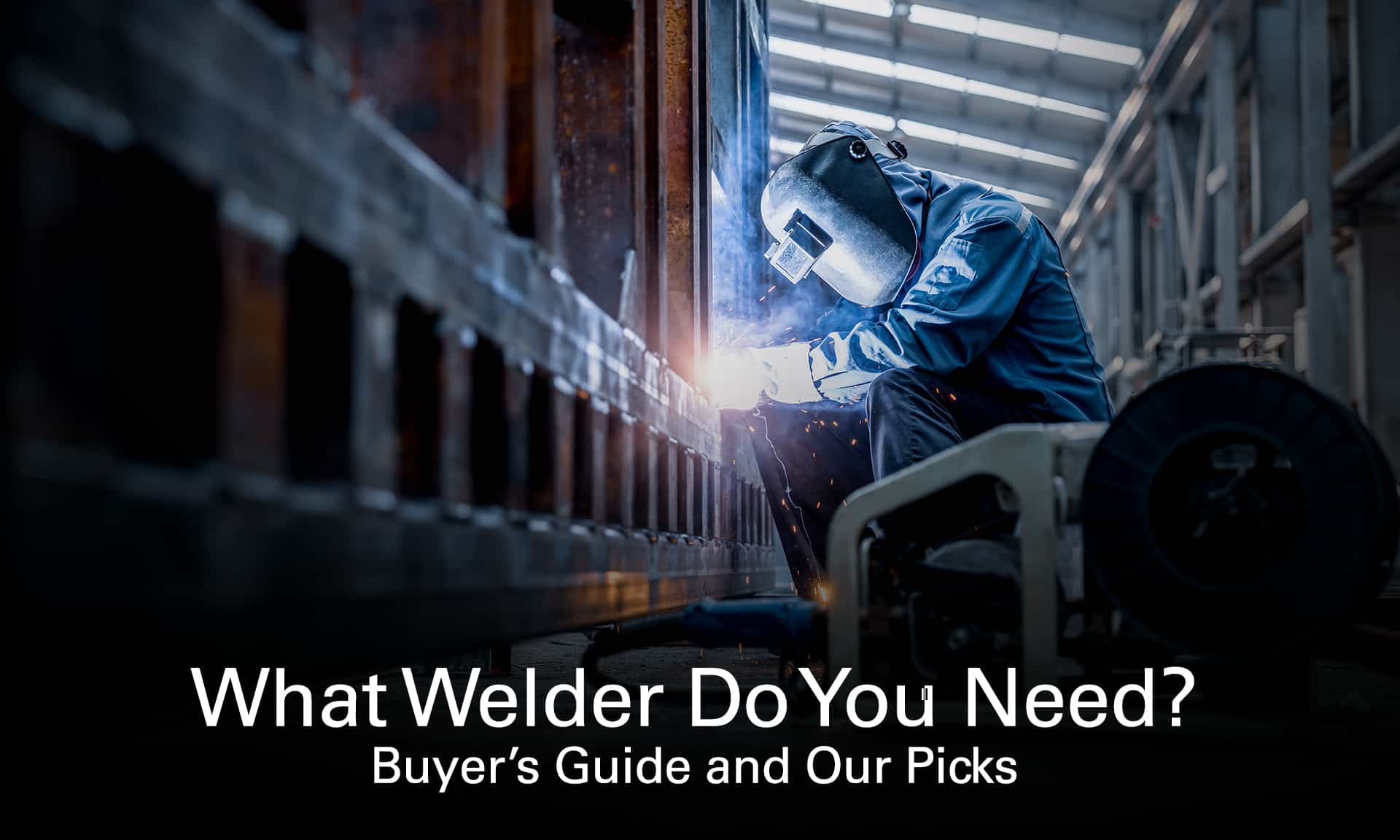
Meet Stick welding, the grizzled veteran of the welding world. This is the welder that’s been around the block a few times, seen some things, and probably smells faintly of campfire smoke and defiance. It uses electrodes (the "sticks") that are coated in a flux material. When you strike an arc, the flux burns off, creating a shielding gas that protects your weld.
Stick is incredibly versatile for outdoor use because its flux shield shrugs off wind like a grumpy old man shrugging off unsolicited advice. It's also fantastic for welding thicker, dirtier, or rusty metals – basically, when you need something built like a tank and don't care if it looks like it was assembled by a team of enthusiastic but slightly clumsy bears. Think structural steel, farm equipment, or anything that needs to survive an apocalypse. It’s the trusty pickup truck – a bit rough around the edges, but it'll haul anything, anywhere. If you need to weld in less-than-ideal conditions or on robust materials, stick is your no-nonsense go-to.
The "Rebellious Cousin" of MIG: Flux-Core Arc Welding (FCAW)
Often found bundled with MIG machines, Flux-Core welding is like MIG's slightly louder, more rebellious cousin. Instead of an external gas bottle, the flux is conveniently tucked inside the welding wire itself (hence "flux-core"). This means you don't need a separate gas tank, making it super portable and excellent for outdoor use, much like stick welding. It's the equivalent of a heavy-duty stapler – loud, a bit messy, but incredibly effective at joining metal quickly.
It's not as pretty as MIG or TIG, often leaving a bit more spatter and slag, but it's fantastic for thicker metals and when you need to get things done quickly, especially if wind is an issue. If you want the simplicity of a wire feeder but need the outdoor grit of stick, flux-core is a handy option.
So, Which Welder Do You Need?
It boils down to a few simple questions, much like ordering a pizza:
- What are you "cooking"? (What metal type and thickness?)
- Where are you "eating"? (Indoors, outdoors, windy conditions?)
- What's your "cooking skill level"? (Beginner, intermediate, gourmet chef?)
- What's your "budget"? (From economy slice to full-on artisan pie?)
For most home DIYers and hobbyists just starting out, a MIG welder (often with flux-core capability) is usually the sweet spot. It offers a great balance of ease of use, versatility, and cost. If you're tackling heavy-duty, outdoor projects, a stick welder might be a better fit. And if you’ve got an inner artist screaming to create seamless metal masterpieces, then start saving up for that TIG setup.
Don't overthink it like you're choosing your life partner. Start with what makes sense for your immediate project, learn the ropes, and who knows? You might just find yourself happily collecting welders like some people collect power tools, each with its own charm and purpose. Happy welding, and remember: safety first!
