
What Type Of Solar Panel Is Best
You know that feeling when you walk into a coffee shop, and instead of just "coffee," you're hit with a menu that's longer than your arm? Espresso, cappuccino, latte, flat white, macchiato, Americano, cortado, pour-over, cold brew, filter... deep breath. You just wanted coffee, right? But suddenly, you're wondering which one is the "best" coffee for you right now.
Sounds familiar, doesn't it? We've all been there, staring blankly at options, trying to decipher jargon, and just wishing someone would tell us the simple answer. Well, buckle up, because choosing solar panels can feel a bit like that too. You just want "solar panels," but then you hear terms like monocrystalline, polycrystalline, thin-film, PERC, N-type... and suddenly, your brain goes into full "coffee menu" overload.
So, what type of solar panel is best? That's the million-dollar question, and if you're hoping for a single, definitive answer that applies to everyone, I'm going to have to burst that bubble right away. Because, like that perfect coffee, the "best" solar panel is actually the one that's best for your specific situation.
Must Read
It's Not One-Size-Fits-All, Trust Me
Think of it like buying a car. Is a sports car "best"? Maybe if you're a single speed demon with a need for thrills. Is a minivan "best"? Absolutely, if you're hauling kids and groceries. See? It's all about matching the tech to your needs, your budget, and your home. Let's break down the main contenders, shall we?
The Big Three: Monocrystalline, Polycrystalline, and Thin-Film
1. Monocrystalline Panels: The Sleek, High-Achievers
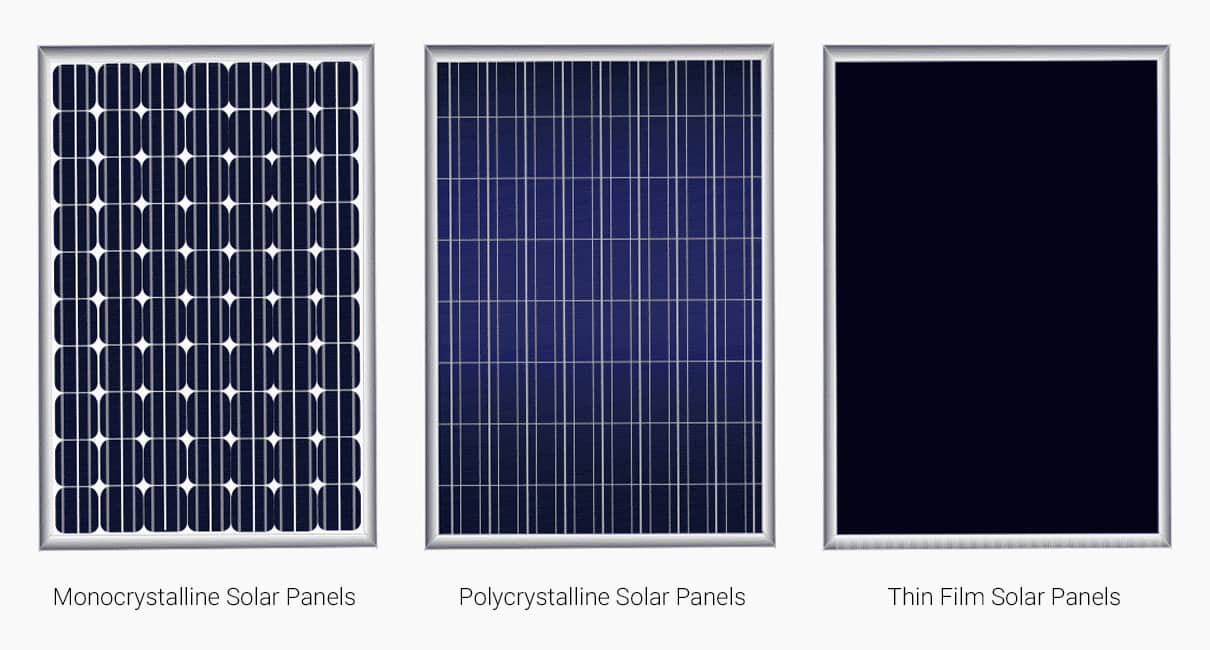
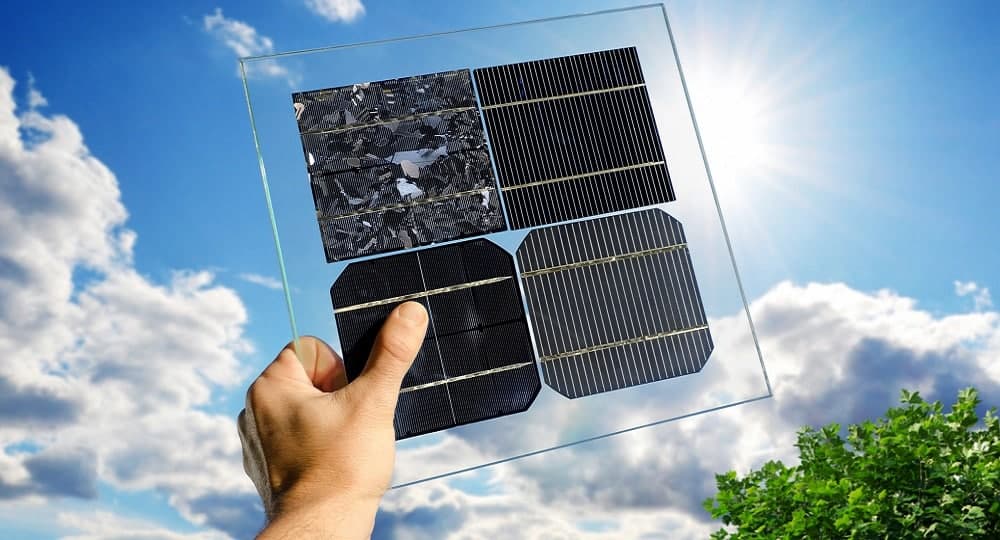
These are often what you picture when you think of solar panels: dark, uniform, almost black. They're made from a single, continuous crystal structure of silicon (hence "mono").
Why they're great: They're the most efficient of the bunch. This means they can convert more sunlight into electricity from a smaller area. If your roof space is limited, or you want to squeeze every last watt out of the sun, monocrystalline panels are your go-to. They also tend to look pretty sleek and uniform on a roof, which is a big plus for aesthetics.
The catch: They're generally the most expensive per panel. And while they perform well, their efficiency can dip slightly more than polycrystalline panels in very hot temperatures. (Yes, solar panels don't always love extreme heat, which feels a bit ironic, doesn't it?)
Who are they for? Homeowners with limited roof space, those chasing maximum energy output, and anyone who wants a super uniform, premium look for their solar array.
2. Polycrystalline Panels: The Reliable Workhorses
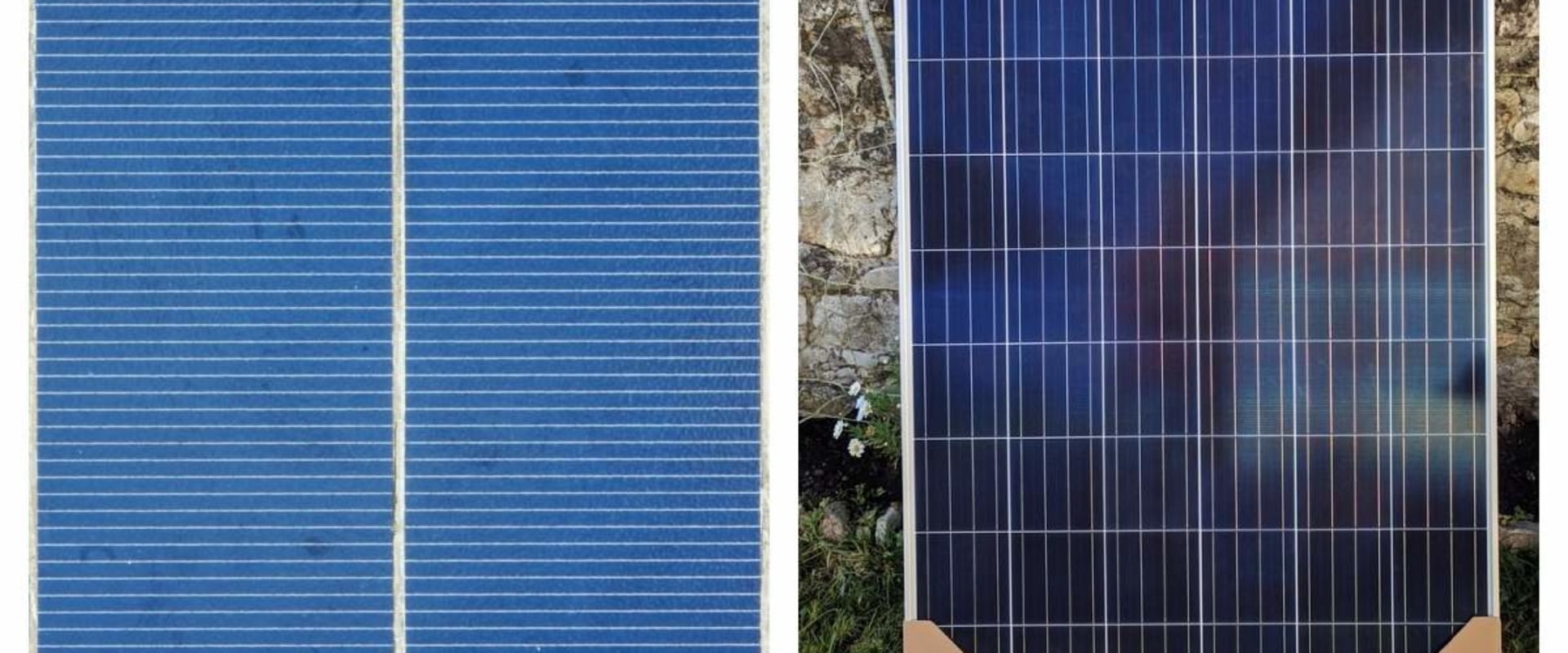
These panels have a distinctive bluer, slightly mottled appearance. They're made from multiple silicon crystals melted together (hence "poly"). They were once the more common residential choice before monocrystalline really took off.

Why they're great: They're typically less expensive than monocrystalline panels, making them a more budget-friendly option upfront. While slightly less efficient, their performance is still solid, and they can sometimes handle slightly higher temperatures better.
The catch: You'll need more roof space to generate the same amount of power as you would with monocrystalline panels. Their bluer hue might not appeal to everyone looking for a sleek, modern aesthetic.
Who are they for? Homeowners with plenty of roof space, those prioritizing upfront cost savings, and anyone looking for a reliable, proven solar solution without breaking the bank.
3. Thin-Film Panels: The Flexible Mavericks
These are a different beast altogether. Instead of silicon crystals, thin-film panels are made by depositing thin layers of photovoltaic material onto a substrate (like glass, plastic, or metal). They can be truly flexible and lightweight.
Why they're great: They're awesome for niche applications! Think RVs, portable chargers, or buildings with unusual curved surfaces. They can also perform surprisingly well in low-light conditions and higher temperatures. They're generally the cheapest to manufacture.
The catch: Here's the big one: they are significantly less efficient than crystalline panels. Like, a lot less. This means you need a massive amount of space to generate a decent amount of power. For most residential rooftops, they're just not practical.

Who are they for? Niche applications where flexibility, light weight, or low-light performance are critical, and space isn't a constraint. Rarely the primary choice for standard residential roof installations.
So, Which One Is Your Best?
See? No single panel wins the "best" title outright. It truly boils down to balancing a few key factors for your specific situation:
- Budget: What's your upfront investment comfort level?
- Space: How much usable, unshaded roof area do you have?
- Aesthetics: Do you care about the uniform look of black panels vs. bluer ones?
- Efficiency Goals: Are you trying to maximize every single watt from a small area, or is a good, solid output enough?
My advice? Don't get overwhelmed. Start by understanding your own priorities. Then, get a few quotes from reputable solar installers. They'll assess your home, look at your energy usage, and recommend the panel types that make the most sense for you. They're the experts who can translate all this jargon into a practical, tailored solution.
Ultimately, the "best" solar panel is the one that fits your home, your wallet, and your energy goals, quietly humming away, making you feel pretty smug about your smart, sustainable choice. Now, about that coffee...