
What Type Of Resource Is Oil

The Everyday Mystery
Imagine waking up tomorrow and suddenly, no oil. It sounds dramatic, but think about your morning routine. From your toothbrush to the phone in your hand, this hidden hero is everywhere.
We often hear about oil in the news, usually regarding fuel prices or faraway places. But what type of resource is this incredible liquid, really? It's far more fascinating and pervasive than just gasoline at the pump.
From Ancient Seas to Your Sneakers
The Deep Past
At its core, oil is a natural resource, specifically a fossil fuel. Its story begins millions of years ago, long before humans roamed the Earth. Tiny sea creatures and ancient plants lived, thrived, and eventually died.
Must Read
Their remains sank to the bottom of ancient oceans and lakes. Over vast stretches of time, layers of mud, sand, and rock piled on top. This immense pressure and heat slowly worked its magic.
Underneath all those layers, the organic matter underwent an incredible transformation. It cooked for millennia, morphing into the dark, viscous liquid we call crude oil. It’s like nature’s slowest, most intense baking process!
This process means oil is literally a concentrated energy package from ancient life. It’s a liquid legacy, packed with power from creatures that swam alongside dinosaurs. Think of it as a secret ingredient from history.
Because it takes millions of years to form, oil is considered a non-renewable resource. Once we use it, there isn't more being made at a human-perceptible rate. It’s a finite gift from our planet’s distant past.
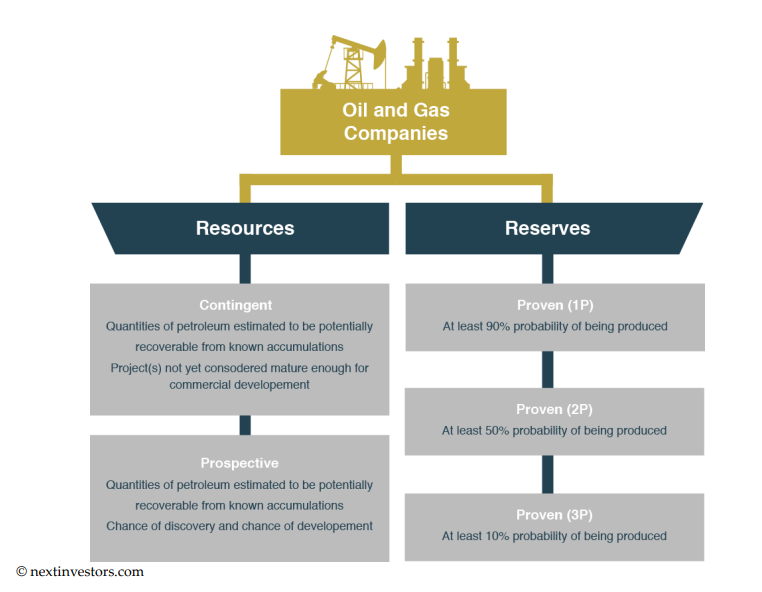
Imagine you have a favorite, giant, delicious cake. Once you’ve eaten all of it, the cake is gone, and you can’t bake another instantly. Oil is much the same; the supply, while vast, is not endless.
More Than Just Fuel
Here’s where the story gets really surprising and fun. While we primarily think of oil as an energy resource for cars and electricity, it’s also an incredibly versatile material resource. It truly is a master of disguise!
Look around you right now. Your computer mouse, the frame of your glasses, that sturdy water bottle, or even the soft fleece blanket you love. Many of these everyday items are made from plastics.
And what are most plastics made from? You guessed it – components derived from petroleum, which is another name for oil. It’s the foundational ingredient for countless synthetic materials that build our modern world.
It doesn't stop at plastics either. Have you ever wondered what makes your colorful sneakers so lightweight and bouncy? Many advanced synthetic rubbers and foams used in footwear originate from oil.
![[Geography Class 10] Resources - Detailed Explanation - Teachoo](https://d1avenlh0i1xmr.cloudfront.net/e03cc6bd-13ef-439f-a53d-4d1f5d2c51f0/various-types-of-resources---teachoo.jpg)
Even things you put on your body have an oil connection. Many cosmetics, from your favorite lipstick to various lotions and perfumes, contain petroleum-derived ingredients. They help give products their smooth texture and staying power.
And for those sniffles or aches, think about medicines. Pharmaceutical companies use oil byproducts to create numerous drugs, from aspirin to cold remedies. Oil helps us feel better and live healthier lives.
Oil isn't just the roar of an engine; it's also the smooth glide of a pen, the protective shell of your helmet, and the clear lens in your eyeglasses. It's the silent, unsung hero of countless innovations.
So, oil isn't just about burning fuel. It’s about building, creating, and enhancing almost every aspect of our lives. It truly is a structural backbone for modern society, far beyond the gas tank.
A Resource with a Story
Our Complex Relationship
The nickname "black gold" isn't just about its color and monetary value. It truly reflects the profound impact and versatility of this resource. It has powered revolutions, fueled global economies, and brought immense comfort to billions.
Our relationship with oil is fascinatingly complex. It has allowed us to travel faster, build taller, and connect more easily than ever before. It's an integral part of the comfort and convenience we often take for granted.
The idea that millions of years of ancient life could be transformed into the fabric of our modern existence is quite humbling. It’s a tangible link to our planet's deep past, supporting our present in countless ways.
Looking Towards Tomorrow
Understanding oil as both an energy resource and a material resource helps us appreciate its profound role. It also highlights the importance of using it wisely and innovatively. Human ingenuity, after all, is just as powerful.
Scientists and engineers are constantly working to find new, cleaner energy sources. They are also developing more sustainable materials to reduce our reliance on finite resources. The future is bright with possibilities!

Our journey with oil is constantly evolving. We're learning to become more efficient, recycle more effectively, and explore exciting alternatives. It's a testament to our ongoing quest for progress and sustainability.
The Marvel of Crude
So, the next time you see a plastic toy, wear a synthetic jacket, or simply fill up your car, take a moment. Appreciate the humble, mighty oil and its incredible journey. It truly is a remarkable and multifaceted resource.
It’s a powerful energy source that propels us forward. It’s also an indispensable material source that builds much of our world. This dual nature makes it one of the most significant resources on Earth.
From the microscopic life of ancient oceans to the intricate gears of a modern machine, oil connects us all. It's a fascinating gift from the past, continuously shaping our present and fueling our future. What an incredible story for a liquid!