What Type Of Plastic Is Pla
Have you ever found yourself wrestling with a plastic wrapper, perhaps feeling a tiny pang of guilt about its journey to a landfill? Or maybe you've been delighted by the intricate details of a 3D-printed gadget, wondering what magic material brought it to life? In our modern world, plastics are everywhere, and for good reason: they're incredibly versatile, durable, and affordable. But as awareness of our environmental footprint grows, so does our desire for more sustainable choices. This is where a fascinating player steps onto the stage: PLA.
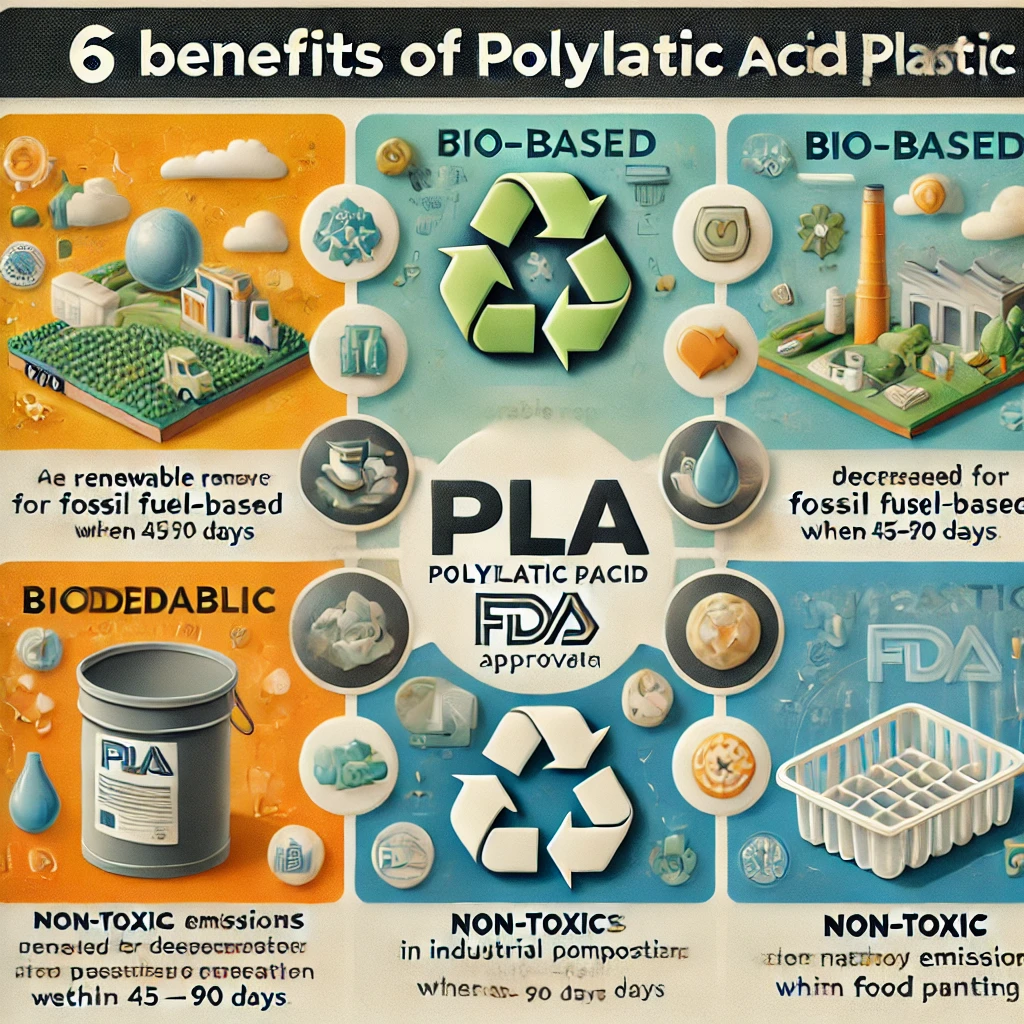
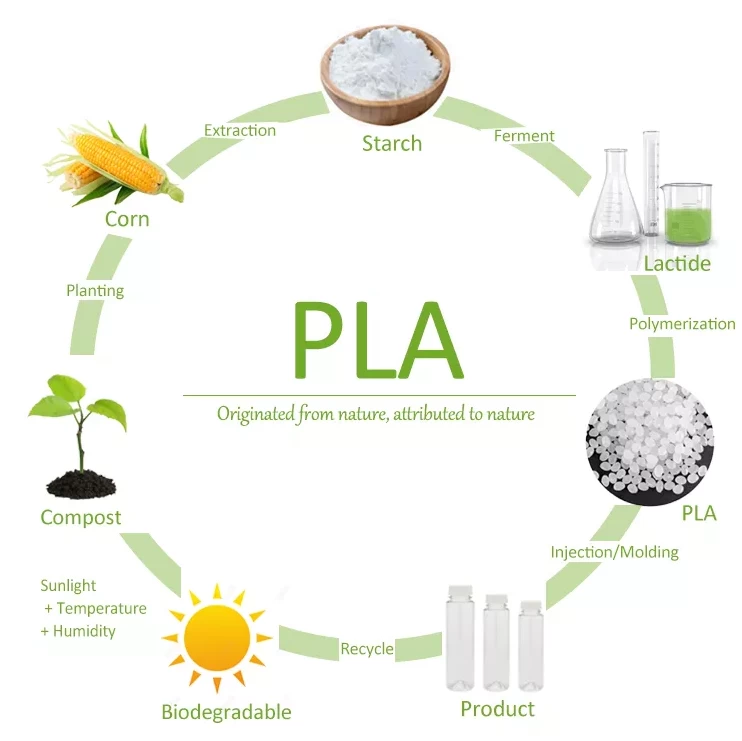
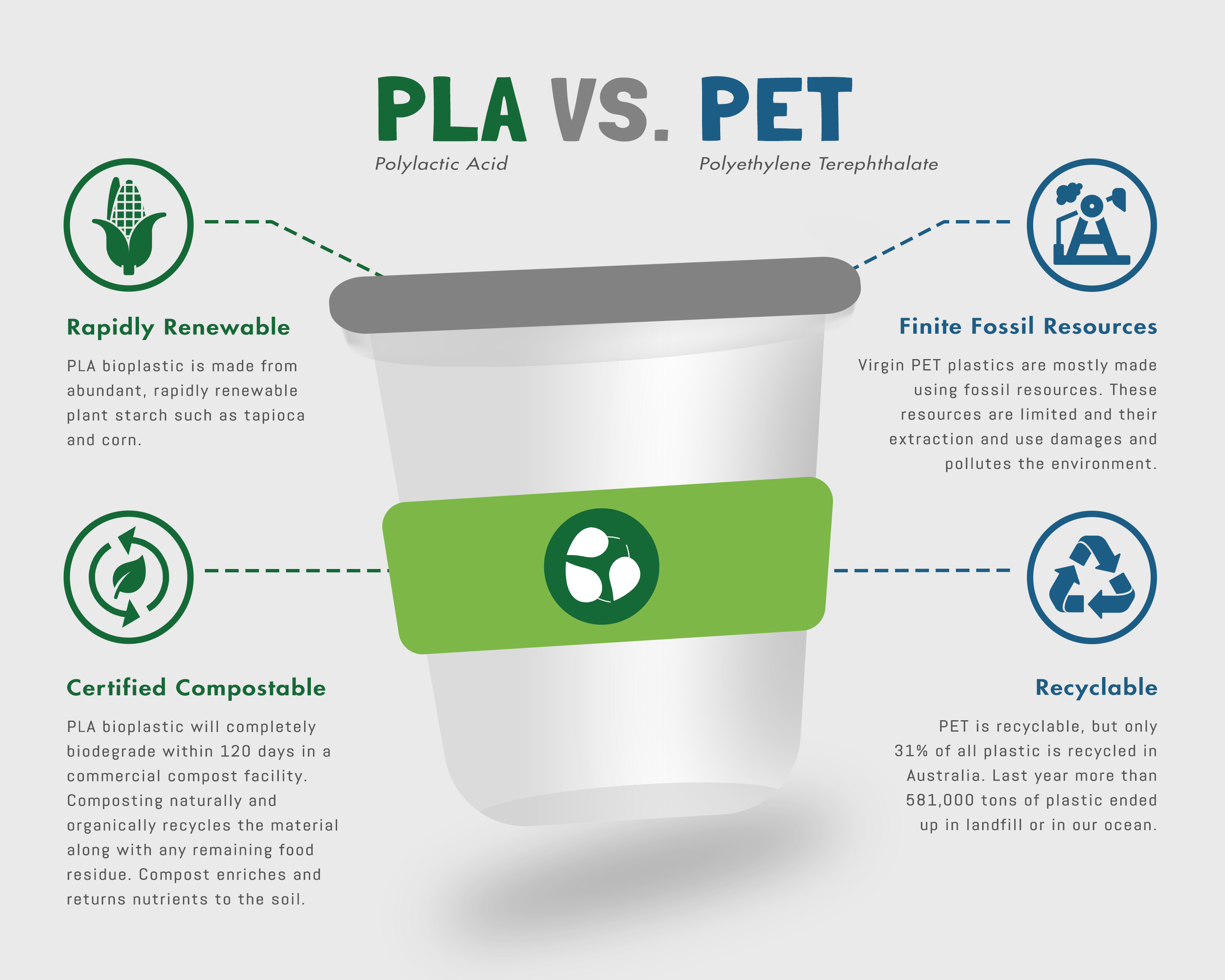
PLA, short for Polylactic Acid, isn't just another plastic. It's a rockstar in the world of greener materials, offering a compelling blend of practicality and purpose. Its primary benefit, and the reason many of us are drawn to it, is its origin: PLA is derived from renewable resources like corn starch, cassava roots, sugarcane, or sugar beet pulp. Think about that for a moment – plastic made from plants! This stands in stark contrast to traditional plastics, which are typically made from petroleum, a finite fossil fuel. The purpose PLA serves is profound: to provide a viable, often more environmentally friendly alternative for a vast array of products, helping us reduce our reliance on petroleum-based materials and contributing to a more circular economy.
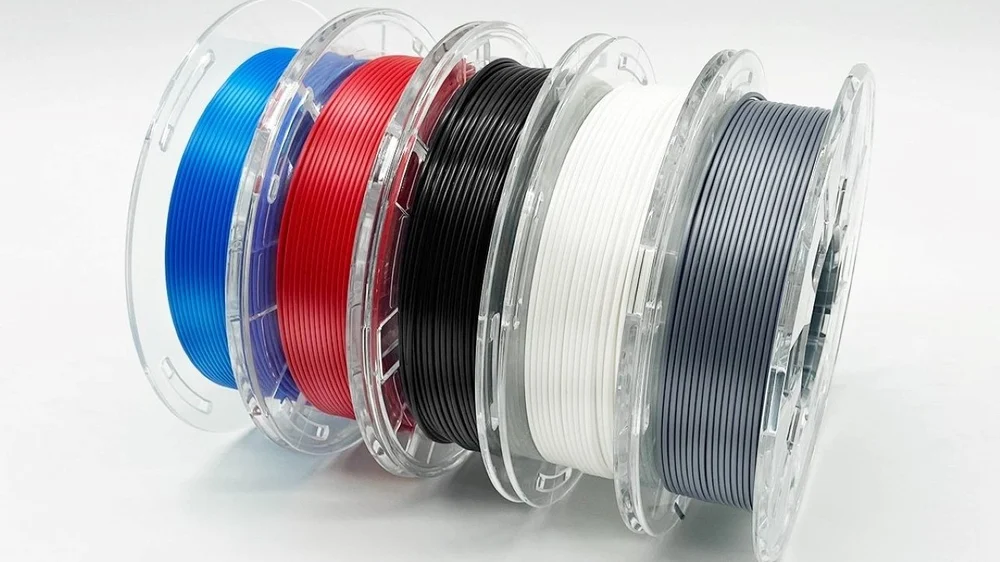
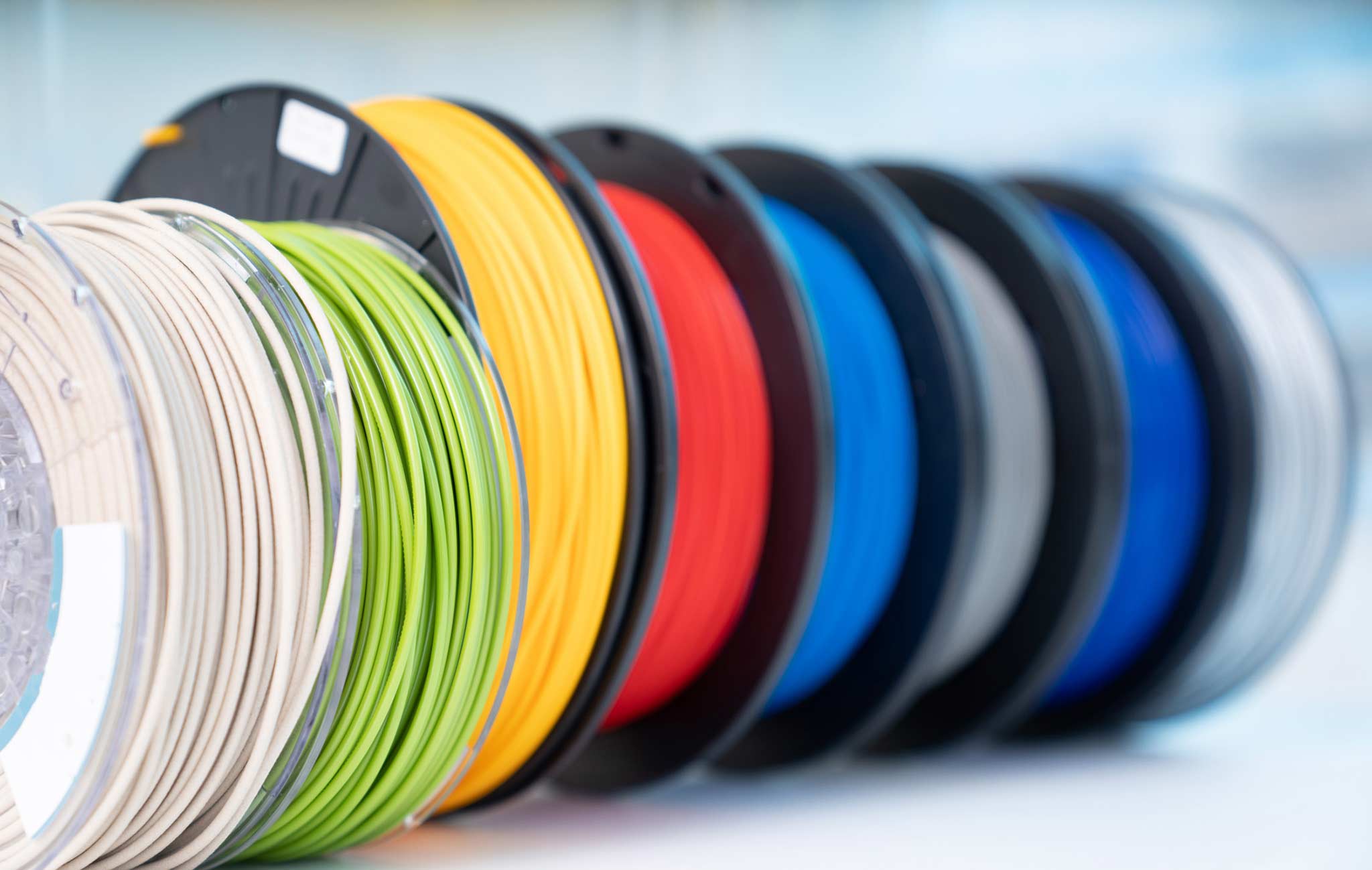
You might be interacting with PLA more often than you realize. One of its most celebrated applications is in the burgeoning world of 3D printing. If you've ever seen a detailed figurine, a custom phone stand, or even prototype parts emerge layer by layer from a 3D printer, chances are it was made with PLA filament. It's popular among hobbyists and professionals alike for its ease of use and good print quality. Beyond the maker community, you'll frequently find PLA in disposable food packaging. Think clear containers for salads, deli items, or fruit, and even some single-use cutlery and cups you might encounter at cafes or festivals. Its biodegradability (under specific industrial composting conditions, more on that in a moment!) makes it an attractive choice for items designed for short-term use. Less commonly, but equally fascinating, PLA is even used in some medical applications, like dissolvable stitches or drug delivery systems, thanks to its biocompatibility.
Must Read
So, how can you "enjoy" PLA more effectively and make the most of its eco-friendlier promise? Firstly, become a label detective! Look for "PLA" or the #7 recycling symbol often accompanied by "PLA" on products. Supporting brands that consciously choose PLA sends a powerful message. Secondly, and this is crucial, understand its disposal nuances. While PLA is often touted as "biodegradable" or "compostable," it typically requires industrial composting facilities – which maintain specific temperatures and humidity levels – to break down efficiently. Simply throwing it into your backyard compost pile usually won't do the trick, nor will it break down quickly in a landfill. Check with your local waste management services to see if they accept PLA plastics. Thirdly, and perhaps most importantly, remember the golden rules of sustainability: reduce, reuse, recycle. Even with PLA, reducing your consumption is always the best first step. Reusing PLA items, like a sturdy 3D print or a clever food container, extends its life. And when reuse isn't possible, seek out proper recycling or composting channels. By being informed and intentional, you can truly appreciate the benefits of this innovative, plant-powered plastic and contribute to a greener future, one corn-starch cup at a time!