What Type Of Metal Is Aluminium

Walk into your kitchen, glance at a skyscraper, or even board an airplane, and chances are you’re surrounded by one of the most remarkable and versatile metals on Earth: Aluminium. It’s so common, so integrated into our daily lives, that we often take it for granted. But have you ever stopped to wonder, what type of metal is aluminium, really? It’s a question that unlocks a fascinating world of science, engineering, and everyday utility, making it a surprisingly fun and useful topic to explore!
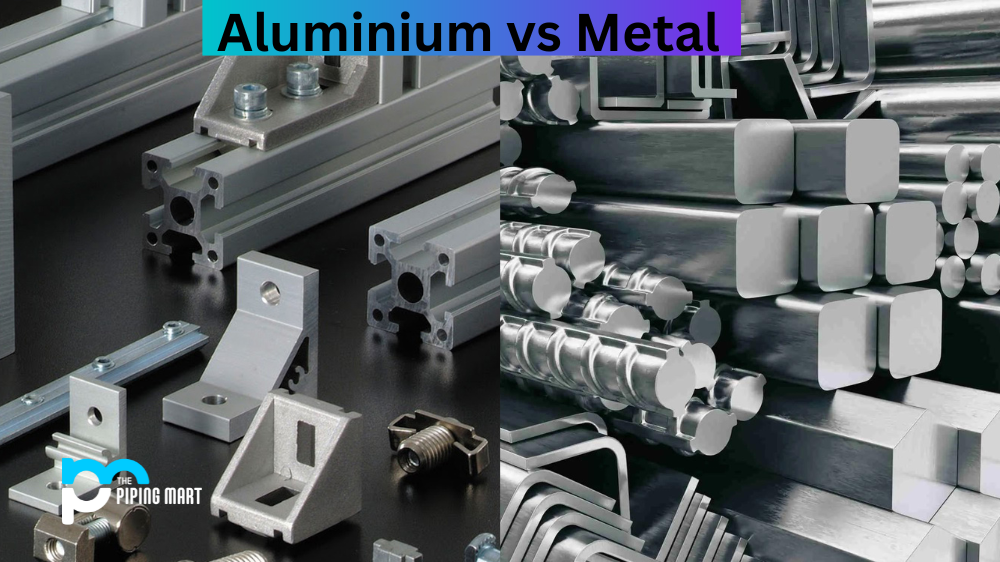
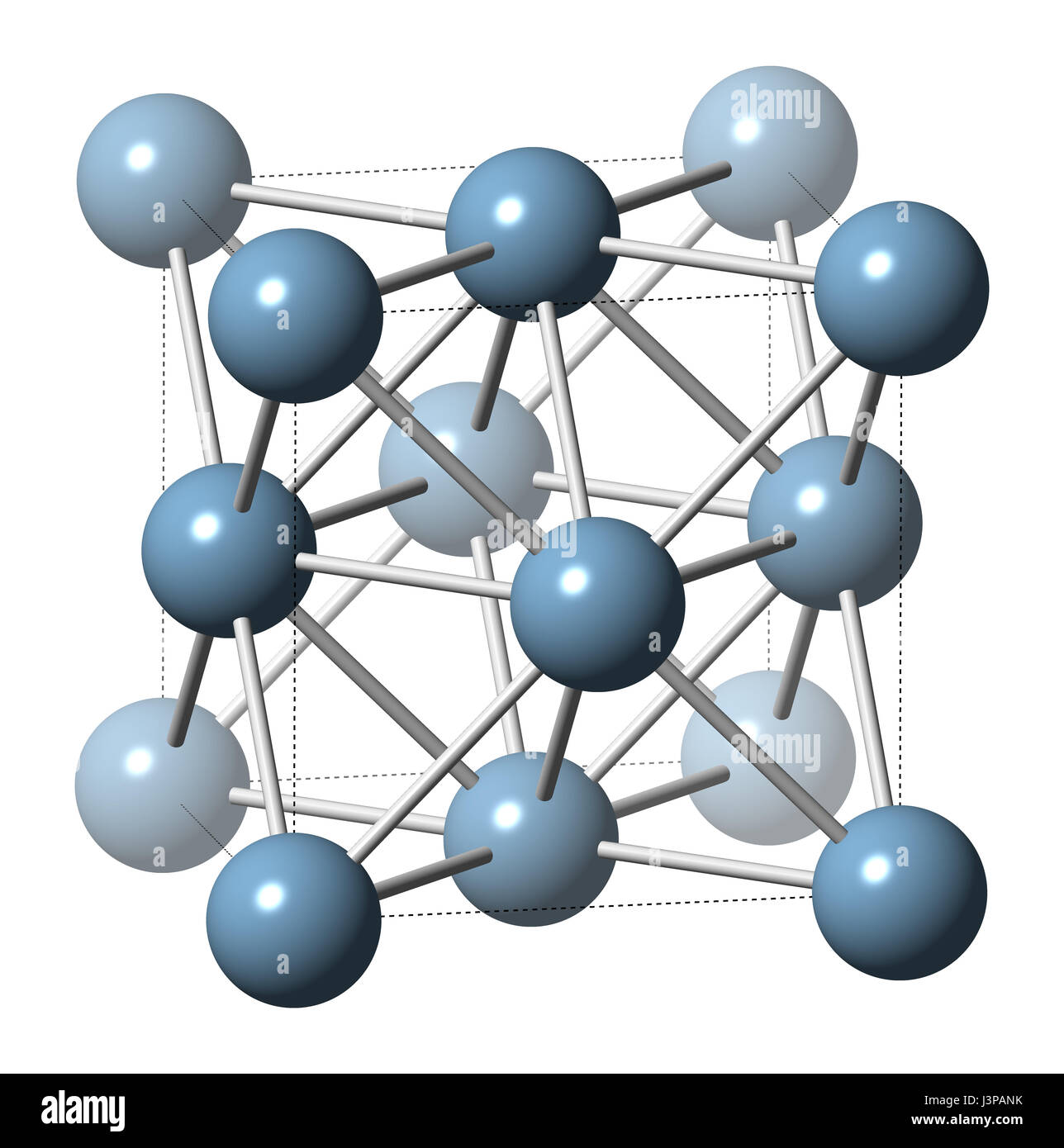
So, let's get straight to it! Aluminium (or aluminum, if you're in North America) is classified as a lightweight, non-ferrous metal. "Non-ferrous" simply means it's not primarily composed of iron, unlike steel or cast iron. This distinction is crucial because it gives aluminium some of its most desirable characteristics. For starters, being non-ferrous means it won't rust in the same way iron does, making it incredibly durable and low-maintenance. It's an element on the periodic table, denoted by the symbol Al, and while it's the third most abundant element in the Earth's crust, it's never found in its pure metallic form in nature; it’s always part of a compound, most commonly bauxite ore.
What makes aluminium so special, and why do we see it everywhere from soda cans to spacecraft? Its unique combination of properties is the answer. First and foremost, aluminium is incredibly lightweight. It’s about one-third the weight of steel, which is a massive advantage in industries where weight matters most, like aerospace and automotive manufacturing. Imagine the fuel savings when an airplane or car is made predominantly of lighter materials!
Must Read
Secondly, aluminium boasts excellent corrosion resistance. When exposed to air, it naturally forms a thin, dense layer of aluminium oxide on its surface. This invisible layer acts as a protective shield, preventing further oxidation and corrosion. This is why aluminium window frames don't degrade in the rain and why your food stays safe in aluminium foil.
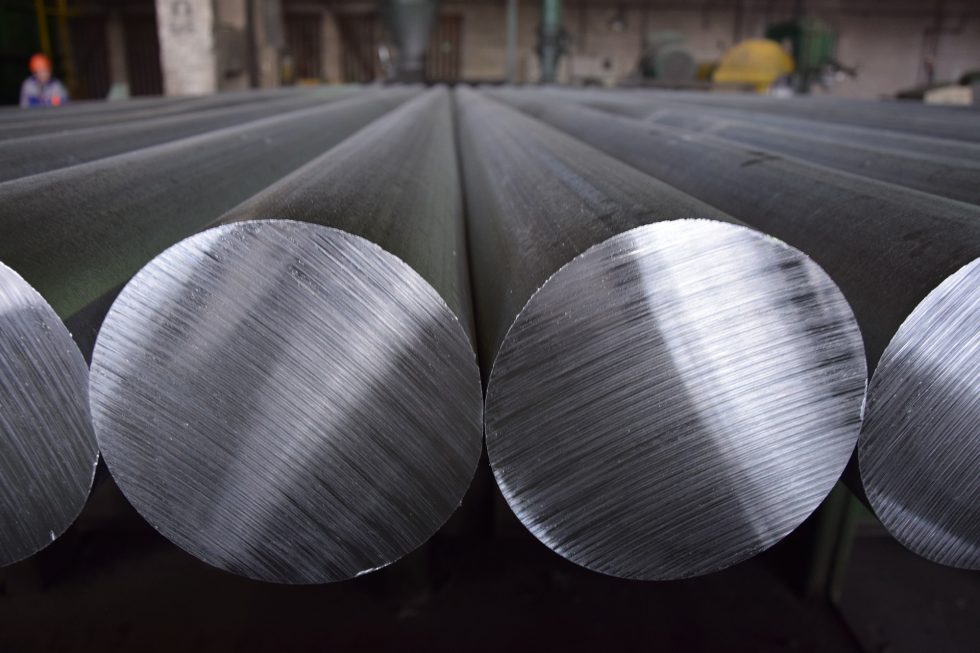
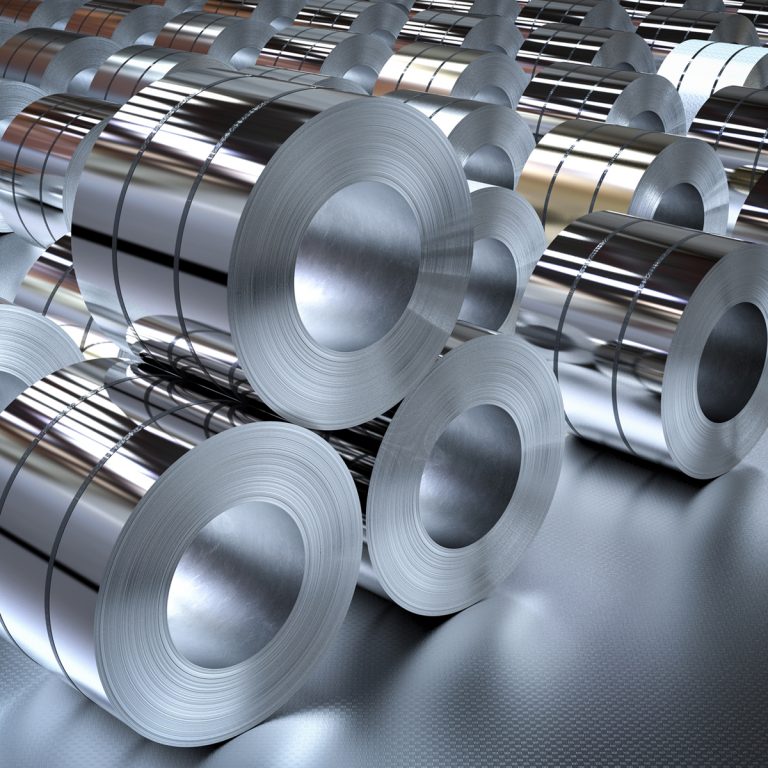
Beyond its lightness and resistance to the elements, aluminium is also highly ductile and malleable. This means it can be easily shaped, rolled into thin sheets (hello, kitchen foil!), drawn into wires, or extruded into complex profiles without losing its strength. Its versatility allows for incredible design freedom. Furthermore, it's an excellent conductor of both heat and electricity, making it ideal for cookware and electrical transmission lines, though copper often gets the spotlight for the latter.
Perhaps one of aluminium's most impressive superpowers is its infinite recyclability. Recycling aluminium saves about 95% of the energy needed to produce new metal from raw ore. This makes it a star player in sustainable manufacturing, reducing energy consumption and greenhouse gas emissions significantly. From your everyday beverage cans to bicycle frames, construction materials, and even smartphone casings, aluminium’s remarkable properties make it indispensable. It’s a true workhorse, quietly supporting much of our modern world.