
What Type Of Metal Is Alloy

Okay, so let's chat about alloys. You know, you hear the word thrown around a lot, right? Like, "Oh, that's an alloy wheel!" or "Is this pure metal or an alloy?" And if you're anything like me, you've probably paused for a second and thought, "Wait, what type of metal actually is alloy?"
Here’s the thing, and this is where we get to spill the beans: an alloy isn't actually a type of metal in the way that, say, gold or silver or iron are types of metal. Mind blown? Maybe just a little bit, huh?
So, What Isn't an Alloy?
First off, let’s clear the air. You won't find "Alloy" chilling out on the periodic table. Nope, not there. It's not an element that scientists discovered and gave its own special box to. Gold is an element, symbol Au. Iron is an element, symbol Fe. "Alloy"? That's a different beast entirely. Think of it more like a category, or a recipe, rather than a single ingredient.
Must Read
It’s not like it sprung from the earth as a pure, singular metal. That’s the big misconception, isn't it? We often treat it like it’s just another metal on the list, but it’s much more clever than that!
Alright, So What Is an Alloy Then?
Here’s the cool part: an alloy is basically a team-up. It's a fantastic blend, a glorious mash-up, a metallurgist's smoothie if you will, of two or more different chemical elements. And here's the kicker – at least one of those elements has to be a metal. Got it? It's a mix, a combination, a little bit of this and a little bit of that, all stirred together.
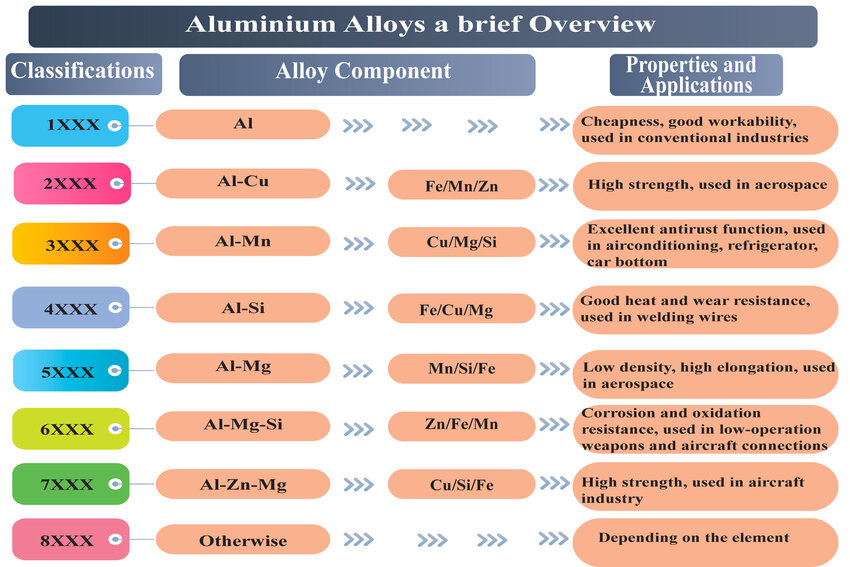
Think of it like baking a cake. You don't just have "cake" as an ingredient, do you? No, you mix flour, sugar, eggs, butter, maybe some vanilla. An alloy is the delicious, finished cake of the metal world! Each ingredient brings something to the party, and together they create something even better.
Why do we bother with all this mixing and matching? Because sometimes, mother nature's pure metals, bless their hearts, just aren't quite up to snuff for what we need them for. They might be too soft, too brittle, too prone to rust, or just not strong enough to, say, hold up a skyscraper. Enter the alloy, stage left, ready to save the day!
A Few Famous Alloy Friends You Already Know
Let's look at some examples, because that's where the real fun begins. You're probably surrounded by alloys right now and didn't even realize it!

Steel: The Unsung Hero. When you think of "metal," steel often comes to mind, right? But steel isn't an element. It's an alloy! It's primarily iron, mixed with a little bit of carbon. Pure iron is actually pretty soft and rusts like crazy. Add some carbon? Boom! You get steel – super strong, durable, and the backbone of basically everything from buildings to cars to your kitchen cutlery. It’s like iron went to the gym and got buff.
Brass: The Golden Oldie. See a shiny, gold-colored doorknob or a fancy trumpet? Chances are, you're looking at brass. Brass is an alloy of copper and zinc. Copper on its own is beautiful but a bit soft. Zinc adds strength and that lovely, warm, golden hue. It's also really easy to work with and resists corrosion well. Win-win!
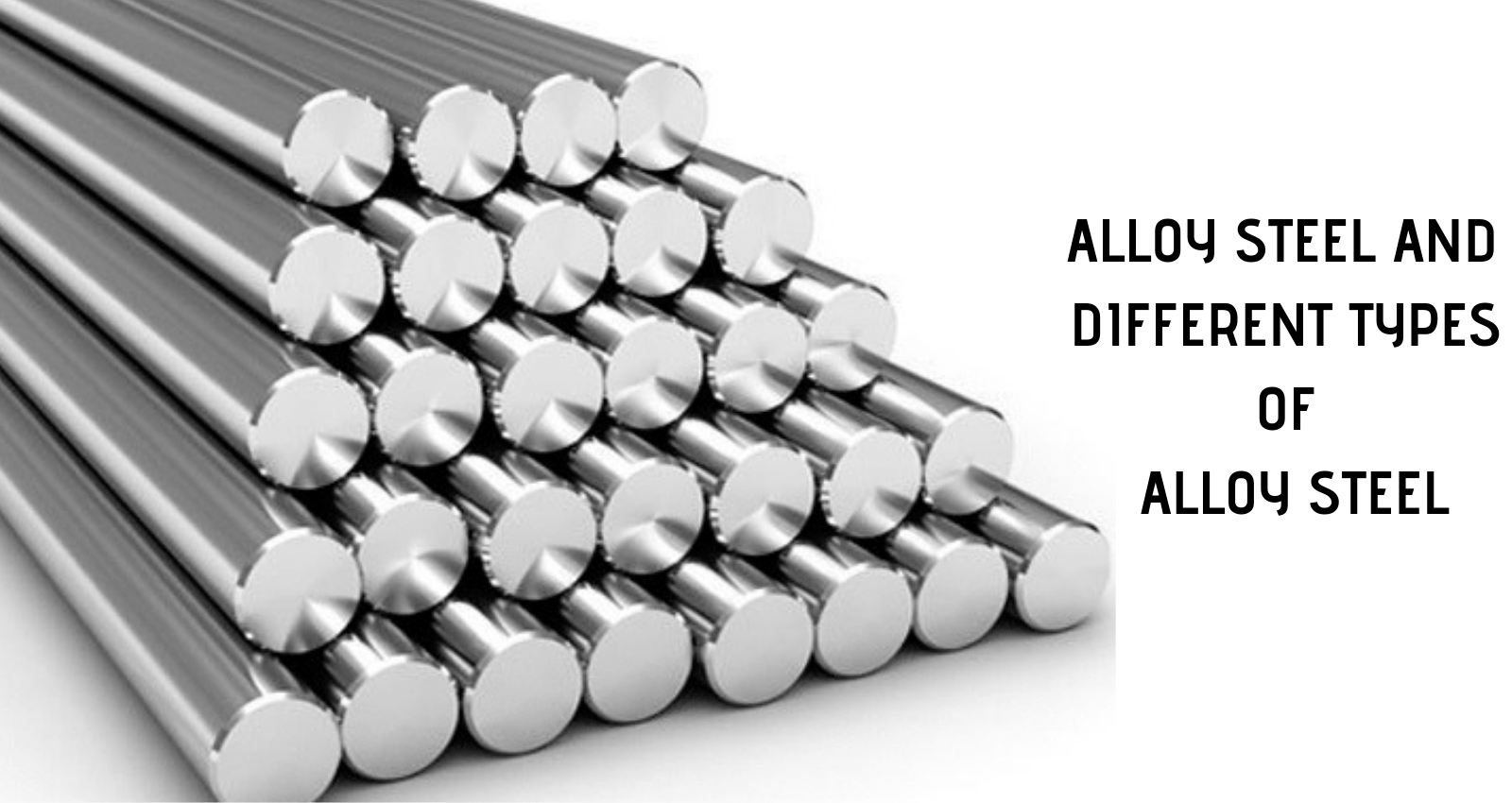
Bronze: The Ancient Champion. Before brass, there was bronze! This classic alloy is a mix of copper and tin. It's super hard and durable, which is why ancient civilizations used it for tools, weapons, and magnificent statues. Ever seen a bronze medal at the Olympics? Yep, that's this stuff! It’s tough as nails, or rather, tough as a very old, very strong statue.
Sterling Silver: Your Bling's Best Friend. If you wear silver jewelry, it's almost certainly sterling silver, not pure silver. Why? Because pure silver, while stunningly beautiful, is incredibly soft and would bend out of shape if you just looked at it funny. So, jewelers add a small amount of copper (usually about 7.5%) to the silver. This makes it much stronger, more durable, and perfect for earrings, rings, and necklaces that actually last.
The Magic Behind the Mix
So, the real genius of alloys is that by combining different elements, we can create materials with superior properties. We can tailor them! Need something incredibly hard? Mix this. Need something lightweight but strong? Try that. Want it to resist rust, conduct electricity better, or melt at a lower temperature? There’s an alloy for that, my friend.
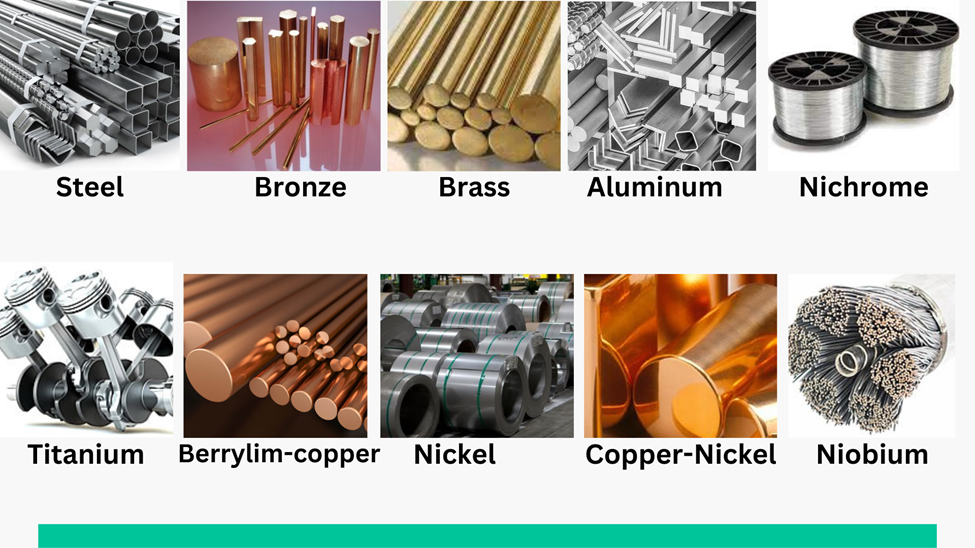
It's all about playing material scientist, taking the best bits of different elements and mashing them together to overcome their individual weaknesses and amplify their strengths. It’s intelligent design, but for metals!
The Verdict: Not a "Type," But a "Team"
So, next time someone asks you, "What type of metal is alloy?" you can confidently tell them, with a knowing wink, that it's not a single type of metal at all! Instead, it’s a combination, a mixture, a clever blend of metals (or metals and other elements) engineered to be stronger, tougher, or just plain better than their pure counterparts.
It’s the ultimate collaboration in the world of materials. So, go forth, impress your friends with your newfound alloy wisdom, and enjoy all those fantastic metallic blends that make our modern world possible!