
What Type Of Electrical Plugs Are Used In Canada
Ever wondered about the secret world of electrical plugs? No, really! It's surprisingly fascinating, especially when you start globetrotting (or even just hopping across the border!). Let's dive into the electrifying (pun intended!) world of Canadian plugs.
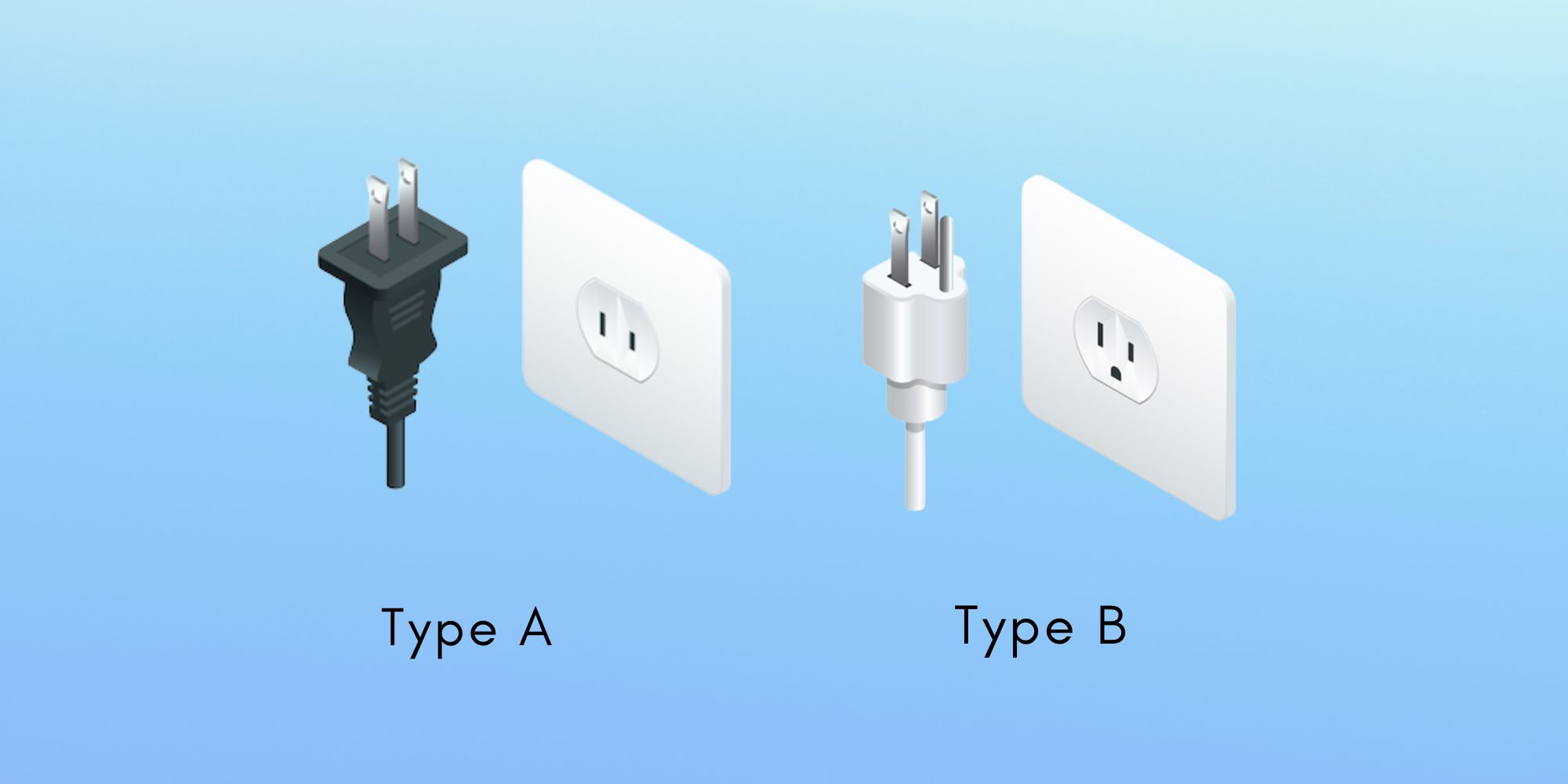
Canada, nestled up there near the North Pole, uses mainly two types of plugs. Think of them as the dynamic duo of electrical connectivity. These aren't some weird, alien contraptions. They're actually quite common, especially if you've spent any time in North America.
The Star: Type A
First, we have Type A. Imagine a plug with two flat, parallel prongs. Simple, right? That’s it! These are your basic, ungrounded plugs. You’ll find them powering lamps, alarm clocks, and other low-power devices. They're the unsung heroes of your bedside table.
Must Read
Think of Type A as the classic, reliable friend. Always there, always ready to plug in and power your devices. But there's more to the story!
The Sidekick: Type B
Now, let's introduce Type B. This plug is like Type A's slightly more sophisticated sibling. It has the same two flat, parallel prongs, but with a round grounding pin added for extra safety. This little guy is crucial for appliances that need a bit more protection from electrical surges.
Picture your computer, your fancy coffee maker, or even your hairdryer. These appliances often use Type B plugs to ensure everything runs smoothly and safely. The grounding pin is like a tiny bodyguard, keeping things in check.
Why the Dynamic Duo?
You might be wondering, "Why two types? Why not just one?" Well, it's all about functionality and safety. Type A is perfect for low-power devices that don't require grounding, while Type B provides that extra layer of security for higher-powered appliances. It's a system of checks and balances, ensuring that your devices get the power they need safely.
Voltage and Frequency: The Supporting Cast
But the plug type is only part of the story! Canada operates on a standard voltage of 120V and a frequency of 60Hz. These numbers are like the secret code that allows your devices to communicate with the electrical grid. If your device isn't designed for this voltage, you might need a transformer or adapter. Don’t worry, they're not as scary as they sound. Think of them as translators for your electronics!
Traveling to Canada? A Plug Primer
Planning a trip to Canada? Here’s the essential info: if you're coming from the United States or other countries that use Type A or B plugs, you're in luck! Your plugs will fit right in. You won't need any special adapters. High five!
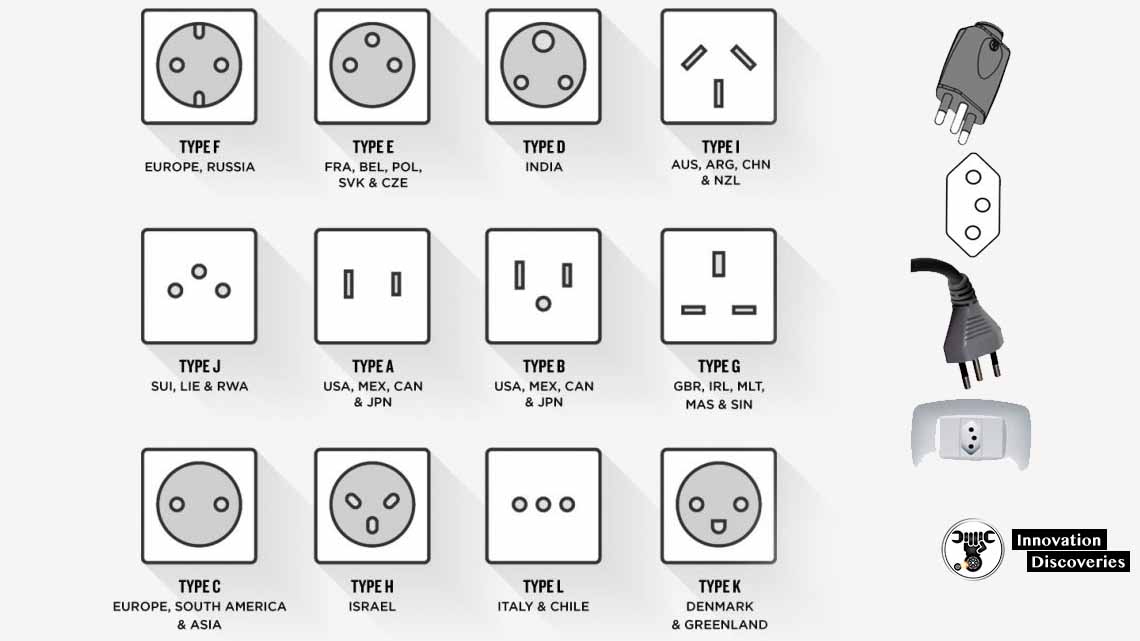
However, if you’re visiting from Europe, Asia, or other parts of the world, you'll definitely need a plug adapter. And remember to check the voltage of your devices! You might also need a voltage converter if your device isn’t compatible with 120V.
Beyond the Basics: Fun Facts
Did you know that some older buildings in Canada might still have two-prong outlets that only accommodate Type A plugs? It's like stepping back in time! While these are becoming less common, it's always good to be prepared. Packing a universal adapter can be a lifesaver.
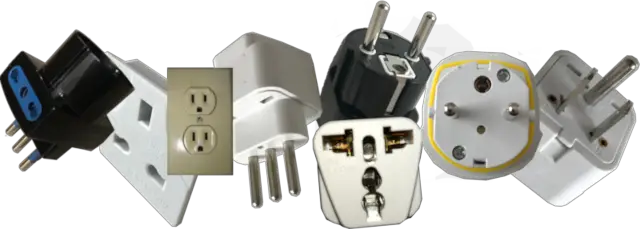
Also, keep an eye out for combination outlets. These outlets are designed to accept both Type A and Type B plugs. They're like the universal language translators of the electrical world. Pretty cool, huh?

The Thrill of Discovery
Exploring the world of electrical plugs might seem mundane, but it’s a gateway to understanding the different ways countries power their lives. It’s a tangible connection to the engineering and infrastructure that keep our modern world running. So, next time you plug in your phone, take a moment to appreciate the humble electrical plug. It's more fascinating than you think!
And who knows, maybe this newfound knowledge will spark a curiosity for other quirky aspects of different cultures. Perhaps you'll find yourself comparing water bottle sizes in various countries or debating the merits of different types of traffic lights. The possibilities are endless!
So, embrace the adventure. Pack your bags (and your plug adapter, if needed!). Explore the world, one electrical outlet at a time. You might just surprise yourself with what you discover. After all, even the smallest details can reveal a whole new world of information. And that's electrifying!
:max_bytes(150000):strip_icc()/canada-voltage-frequency-and-plug-type-4096605-final_AC-5c3df40cc9e77c000111fe46.png)
Don't forget to look into reliable sources like the Canadian government website to ensure that your travel plans go smoothly. You will find detailed guides and voltage requirements there.
Have a wonderful journey to the land of maple syrup and… Type A and B plugs! You can always buy a universal adaptor and have fun!