
What Type Of Battery For Smoke Detector
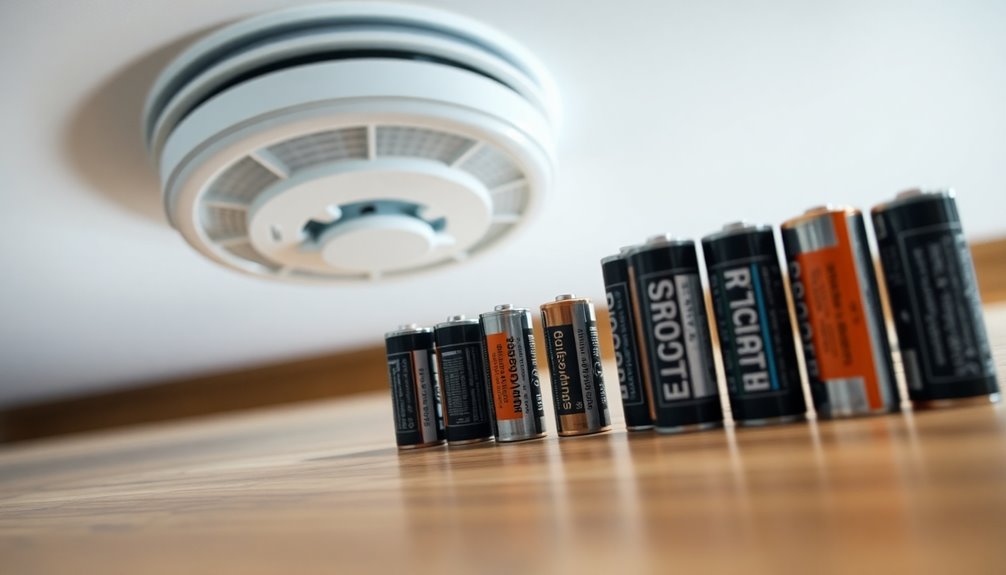
Okay, so picture this: It's 3 AM. The house is silent, you're deep in dreamland, probably fighting off a horde of overly enthusiastic squirrels with a spatula (just me?). Then, BAM! A high-pitched, insistent chirp slices through the quiet like a hot knife through butter. You know the sound, right? That soul-shattering, sleep-depriving lament of a smoke detector battery crying for help. You bolt upright, heart pounding, convinced the house is on fire, only to realize it's just your trusty guardian letting you know it's feeling a little… drained. And then comes the next thought: "What kind of battery does that thing even take?!"
Sound familiar? Trust me, you're not alone. We've all been there, squinting in the dark, trying to pry open a stubborn battery compartment, only to find ourselves utterly stumped by the power source lurking within. It’s like a tiny, domestic mystery that everyone needs to solve eventually. But fear not, my friend, because today we’re going to crack the code on smoke detector batteries, so you can tackle that 3 AM chirp like a seasoned pro.
The Usual Suspects: What's Hiding in There?
First off, let's get one thing straight: not all smoke detectors are created equal. Some are hardwired into your home's electrical system, while others rely solely on batteries. Even the hardwired ones usually have a backup battery, because, you know, power outages happen. The important thing is knowing what kind of battery your specific unit needs. Let’s dive into the most common types you’ll encounter.
Must Read
The Classic: The 9V Battery
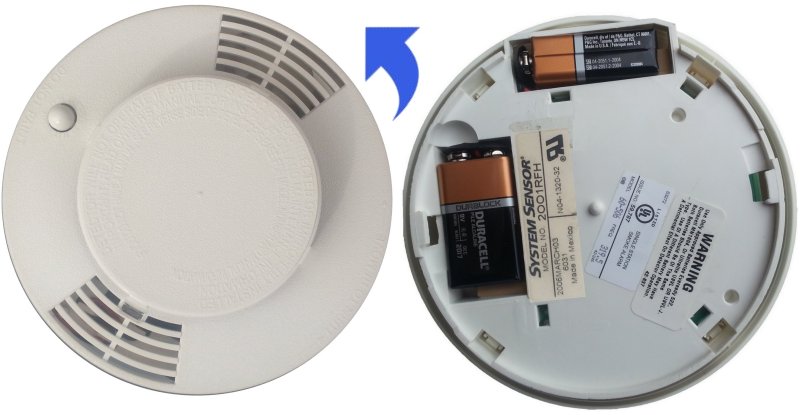
Ah, the venerable 9V. This is probably the one that springs to mind when you think "smoke detector battery." It’s that rectangular little powerhouse with two terminals on one end. For decades, the 9V battery has been the go-to for many standalone smoke detectors. They're easy to find in pretty much any store, and relatively inexpensive.
Pros:
- Ubiquitous: You can find a 9V pretty much anywhere.
- Affordable: Won't break the bank.
- Easy to identify: Its unique shape makes it hard to confuse.
Cons:
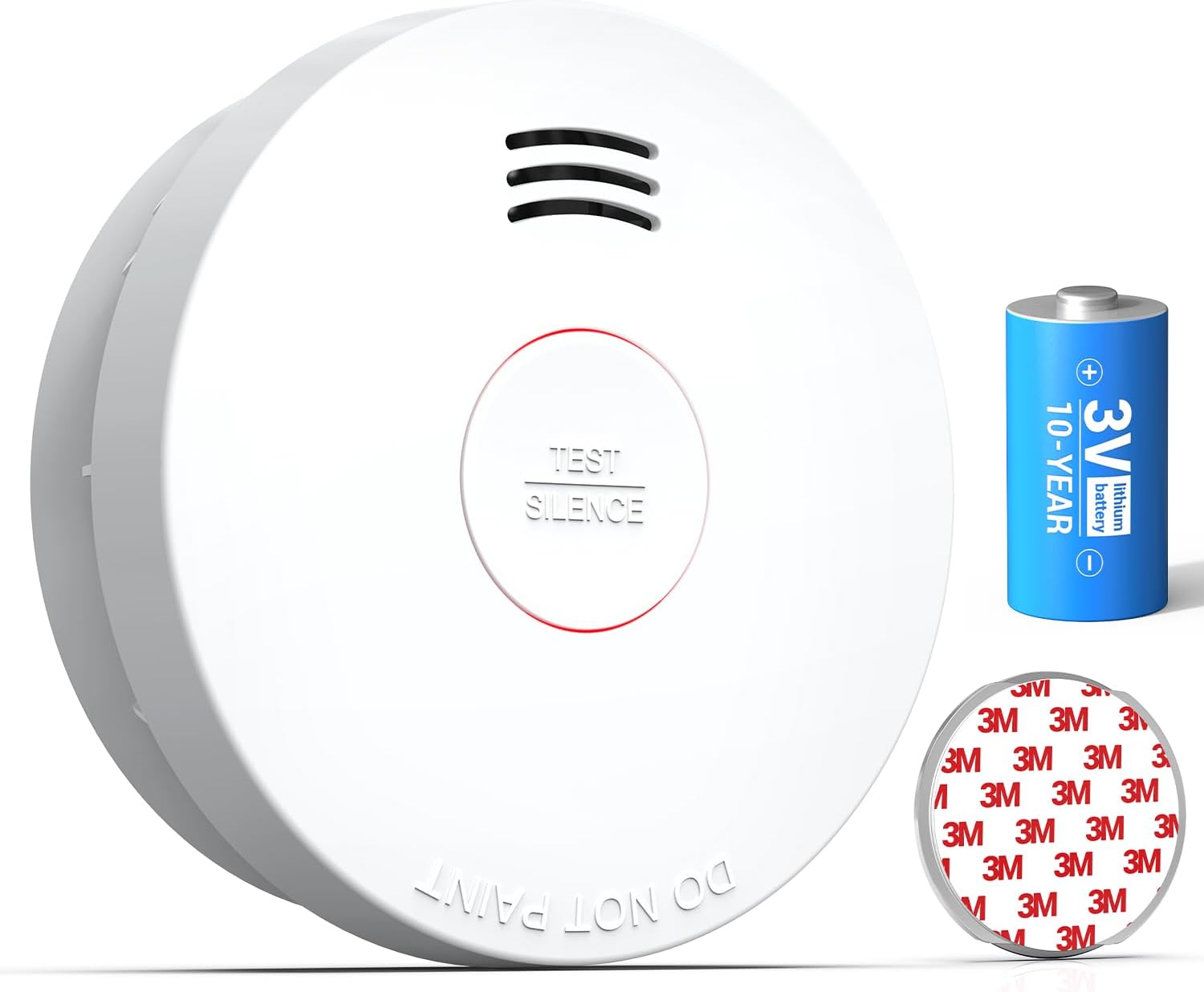
- Shorter lifespan: These typically need replacing every 6-12 months. That's why you get that annoying chirp!
- Not always the answer: While common, it's not the only answer anymore.
Top Tip: If your smoke detector is more than a few years old, there’s a good chance it uses a 9V. But always check!
The Newer Kids on the Block: AA or AAA Batteries
Surprise! Some newer, more compact, or even combination smoke and carbon monoxide detectors have opted for the familiar AA or AAA batteries. Yes, the same ones you use for your TV remote or kids' toys. This can be a bit of a curveball if you're expecting a 9V, so always, always check before you start prying things open.
Pros:
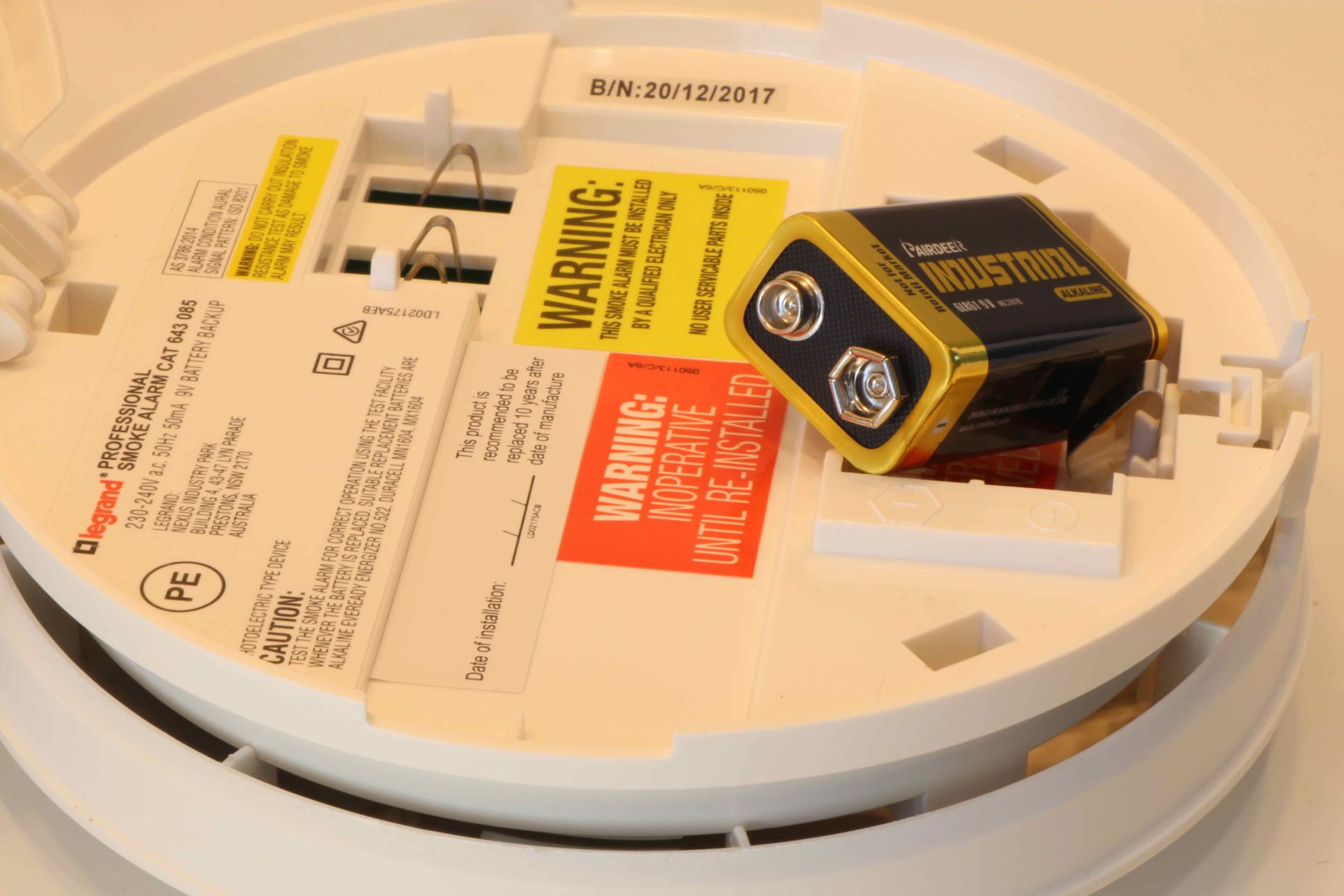
- Longer life: Often, these can last a bit longer than a standard 9V, sometimes up to a couple of years depending on the unit.
- Readily available: Like 9Vs, AAs and AAAs are super easy to find.
Cons:
- Can be confusing: You might not expect them in a smoke detector.
- Still need replacement: While longer-lasting, they’re not forever.
If you've got a sleek, modern detector, especially one that does double duty detecting CO, this might be your battery type. Worth a peek, don't you think?
The "Set It and Forget It" Dream (Mostly): Sealed Lithium Batteries
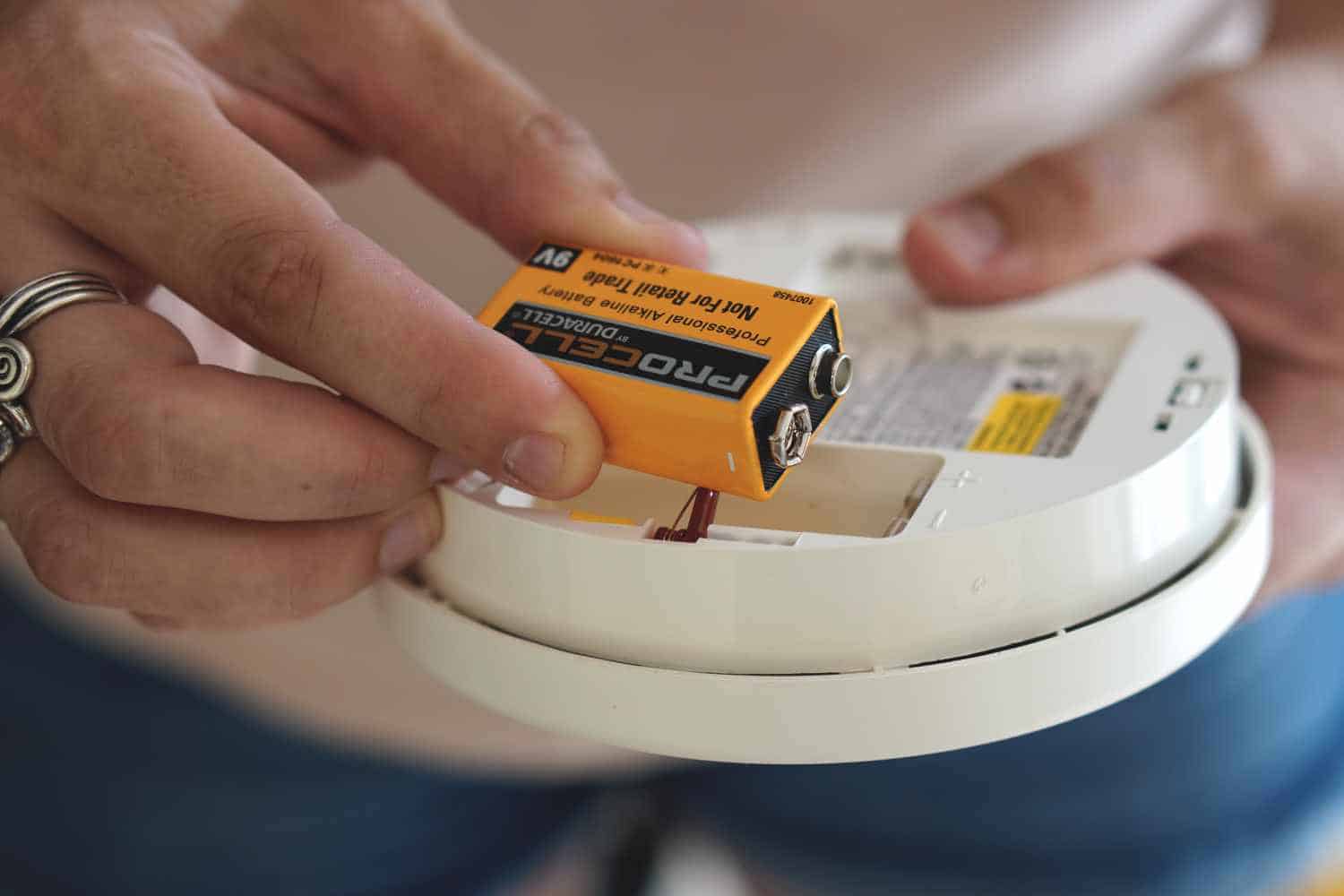
This is where things get really interesting! Many newer smoke detectors, particularly those designed for 10-year lifespans, come with a sealed, non-replaceable lithium battery. Yep, you heard that right – no battery compartment to fuss with! These units are designed to last for the entire recommended life of the smoke detector itself (typically 10 years). When the battery dies, you replace the entire unit.
Pros:
- 10-year lifespan: Seriously, 10 years! No more 3 AM chirps for a decade.
- Maintenance-free: No need to remember to change batteries twice a year.
- Peace of mind: One less thing to worry about for a long time.
Cons:
- Higher upfront cost: These units are generally more expensive than their traditional counterparts.
- Non-replaceable battery: When it dies, the whole unit goes.
- Still need to check expiration: Even a 10-year battery can be faulty or have been sitting on a shelf for a while, so always check the manufacture date when you buy.
These are fantastic for renters or those who just want ultimate convenience. Imagine, a decade without a battery swap! What a time to be alive!
How to Figure Out Your Battery Type (Without the Guesswork)
So, you're standing on a chair, staring at your smoke detector. What's the best way to solve the mystery?
- Read the Label: Seriously, this is your first and best bet. Most smoke detectors have a label, either on the front or the back (you might have to twist it off its mount), that clearly states the required battery type.
- Open the Compartment: If the label is faded or missing, gently open the battery compartment. The battery inside will tell you everything you need to know. Snap a picture with your phone so you don't forget when you're at the store.
- Check the Manual: If you're one of those super-organized people who keep appliance manuals (kudos!), dig it out. It'll definitely have the info.
- Manufacturer's Website: Can't find anything else? Note down the model number of your smoke detector and do a quick search online. The manufacturer's website will have all the specs.
Final Thoughts: Don't Just Solve the Chirp, Stay Safe!
Knowing what battery to get is half the battle. The other half is actually doing it. Test your smoke detectors monthly! And even if you don't hear a chirp, it's a good habit to replace those traditional 9V, AA, or AAA batteries at least twice a year – Daylight Saving Time changes are a perfect reminder. And remember, no smoke detector, even one with a 10-year lithium battery, lasts forever. If your unit is more than 10 years old, it's time to replace the entire thing, regardless of its battery situation.
Your smoke detector is your first line of defense against a fire, and a working one could literally save your life and the lives of your loved ones. So, arm yourself with the right knowledge (and the right battery!), and keep those guardians chirping only when they absolutely need to!