
What Type Of Batteries Do Smoke Alarms Take
Alright, let's talk about something that's super important but often lives in the shadows, literally. We're diving into the humble, yet mighty, world of smoke alarm batteries! Ever found yourself staring up at that little disc on your ceiling, wondering what kind of magical juice it runs on? Or maybe you've been jolted awake by that infamous, ear-splitting chirp, signaling an urgent battery swap? Don't worry, you're not alone! It's a common mystery, and it's actually pretty cool once you peek behind the curtain.
Think about it: these little devices are our silent guardians, ready to scream their heads off the moment danger brews. And who powers that vigilance? Yup, a battery. But not all batteries are created equal, and smoke alarms have a few favorite flavors. Let's unmask the unsung heroes!
The Classic Contender: The 9-Volt Battery
When you picture a smoke alarm battery, chances are you're probably thinking of the 9-volt (9V) battery. It's the OG, the classic, the one that looks like a miniature brick or, if you're feeling playful, a little face you can give a tongue to (don't actually do that, please!).
Must Read
These rectangular powerhouses have been the go-to for smoke alarms for ages. Why? Well, they pack a good punch of voltage for their size, making them perfect for devices that need consistent, low-power draws over a long period. They're reliable, readily available, and generally easy to swap out. If your smoke alarm is a bit older or less "smart," there's a good chance it's running on one of these trusty veterans.
The 9V battery is like the reliable old sedan of the battery world – maybe not flashy, but it gets the job done, day in and day out, without much fuss. Until it starts chirping, of course. Then it's demanding attention like a toddler who's missed their nap!
The Everyday Workhorses: AA and AAA Batteries
But wait, there's more! As smoke alarm technology evolves, you'll find some newer models, especially those fancy smart ones, opting for more common power sources: AA or AAA batteries. Yes, the same batteries that power your TV remote, your kids' toys, or that little flashlight you keep in the drawer.
This is a pretty neat development! Why the shift? Well, AA and AAA batteries are often cheaper in bulk, incredibly easy to find, and can sometimes offer a longer life cycle, especially if the alarm uses multiple cells in series. Imagine not having to hunt for that specific 9V when the chirp starts! You probably already have a stash of AAs in a drawer somewhere. It's all about convenience, baby!
These batteries are like the versatile utility vehicles of the battery world – they can do a bit of everything, and they're always ready for action. Finding AA or AAA batteries in your smoke alarm might feel like discovering a secret shortcut to battery heaven.
The "Set It and Forget It" Marvel: Sealed Lithium Batteries
Now, for the really cool stuff. If you've bought a smoke alarm recently, you might have noticed a sticker proudly proclaiming "10-YEAR BATTERY" or "SEALED LITHIUM BATTERY." This, my friends, is the peak of smoke alarm battery evolution. We're talking about a built-in, non-replaceable lithium-ion battery that's designed to last the entire lifespan of the alarm itself – usually 10 years!

How cool is that? No more chirps in the middle of the night (at least not for a dead battery), no more climbing on chairs to swap out power cells. You install it, test it regularly (that part's still on you!), and it just… works. For a whole decade! This is a massive win for safety and convenience.
Why lithium? Lithium batteries offer incredible energy density, meaning they pack a lot of power into a small space and hold that charge for a very long time. They're the marathon runners of the battery world, just continuously chugging along. The "sealed" part is crucial too: it means you can't open it up, which ensures optimal performance and safety for the full 10 years.
Once the 10 years are up, you simply replace the entire smoke alarm unit. This aligns with safety recommendations to replace alarms every decade anyway, as their sensors can degrade over time. So, it's a win-win for peace of mind!
Why the Variety? It's All About Choice!
So, why isn't there just one universal smoke alarm battery? Well, it boils down to several factors:
- Alarm Type: Basic alarms might use 9V, while advanced smart alarms might prefer AA/AAA for longer life or even have hardwired power with a battery backup.
- Cost & Convenience: Replaceable batteries offer lower upfront costs, while sealed lithium batteries offer long-term convenience and zero middle-of-the-night battery swaps.
- Technological Advancement: Battery tech gets better, allowing for smaller, longer-lasting power sources.
It's like choosing between different car models – they all get you from A to B, but some offer more luxury, better fuel efficiency, or a different driving experience.
The Chirp: Don't Ignore Your Alarm's SOS!
Regardless of what type of battery your smoke alarm uses, there's one universal signal you should never, ever ignore: the chirp. That irritating, rhythmic beep isn't trying to annoy you (though it often succeeds). It's a crucial S.O.S. – your alarm is telling you its power source is dying and it needs attention now!

Think of it as your smoke alarm's little way of yelling, "Hey! My energy levels are dropping! I need a refill to keep protecting you!" It's a small price to pay for what could be a life-saving warning.
So, How Do You Check Yours?
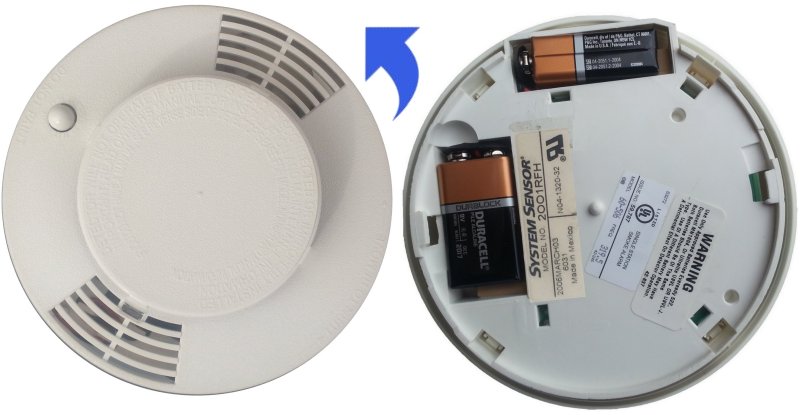
Wondering which battery type your smoke alarm needs? The easiest way is to simply open the battery compartment! Most alarms have a little door or a twist-off section. It'll clearly show you the battery size needed. If it's a sealed unit, it won't have a compartment, and it will probably say "10-YEAR BATTERY" right on it.
And remember, even with the "set it and forget it" models, you still need to test your smoke alarm monthly using the test button. It's like checking the oil in your car – a quick routine check ensures everything's running smoothly.
In the grand scheme of things, the battery type might seem like a small detail. But it’s these little power sources that enable our smoke alarms to perform their critical duty: giving us the precious time needed to escape a fire. So, next time you hear that chirp, give a little nod of appreciation to the tiny hero working tirelessly inside, and give it the fresh power it deserves!