What Two Main Products Result From Photosynthesis
:max_bytes(150000):strip_icc()/GettyImages-944092980-819822c860ac4b1bb4c4b3a5170878ac.jpg)
Think of the most breathtaking landscape paintings, the vibrant floral arrangements captured in photographs, or even the simple joy of a lush green houseplant brightening up a room. All of these visual delights, in some way, owe their existence to a process so fundamental, so ubiquitous, that it's easy to take for granted: photosynthesis. But what exactly is this magical process, and why should it matter to anyone beyond a science classroom? The answer is simpler, and more inspiring, than you might think.
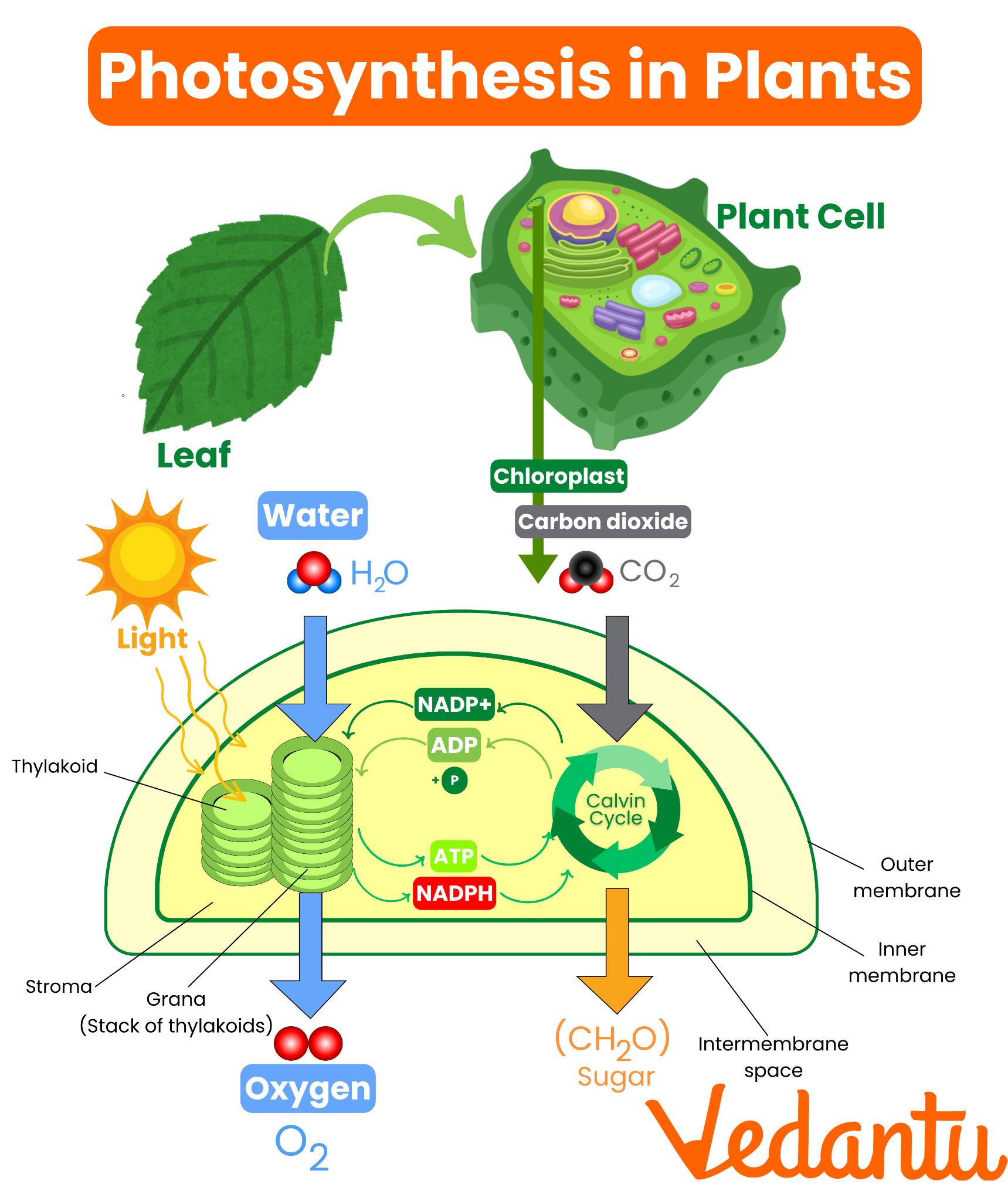
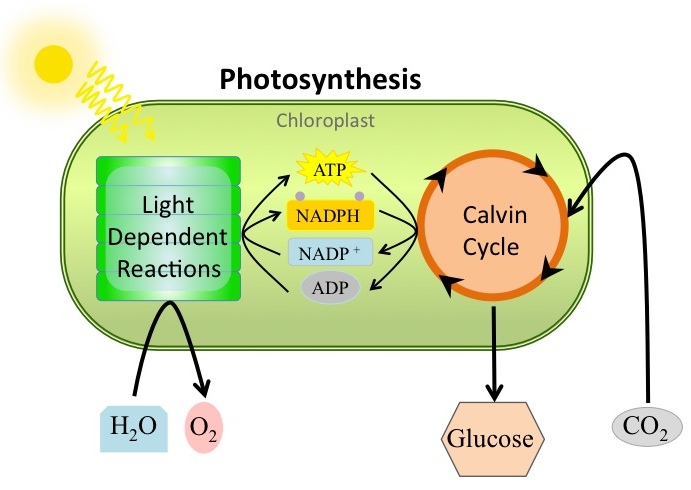
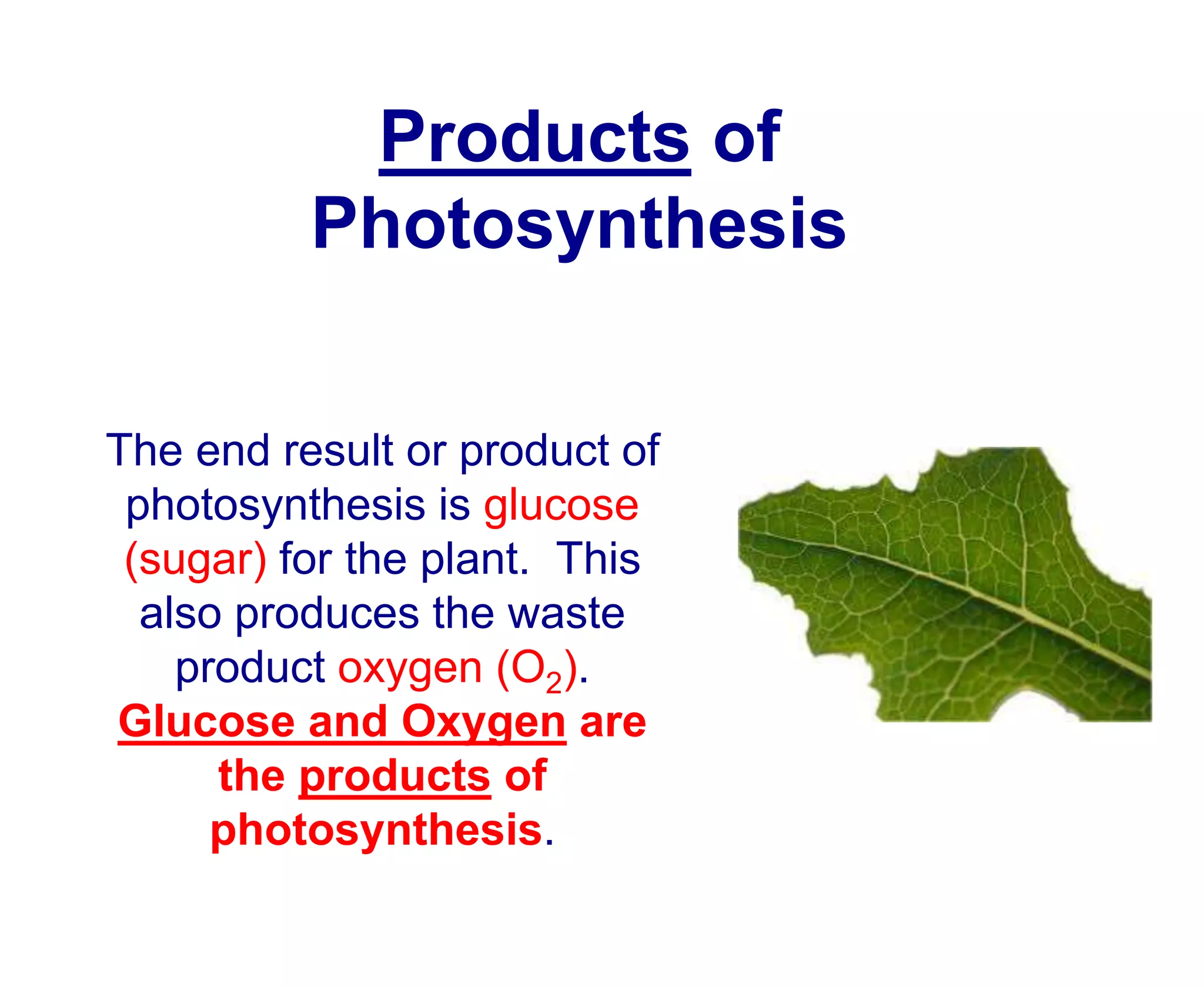
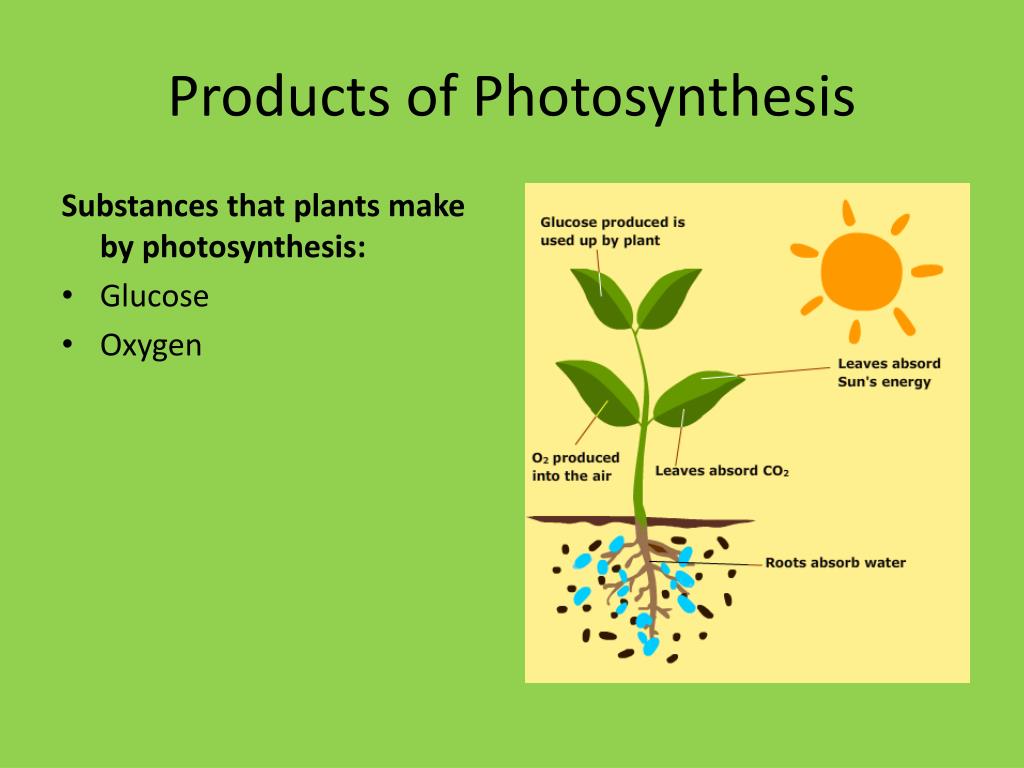
At its core, photosynthesis is how plants (and some bacteria and algae) convert light energy into chemical energy. And, importantly for us, the two main products of this incredible feat of natural engineering are oxygen and sugar (glucose). Yes, the very air we breathe and the fuel that powers almost all life on Earth! For artists, hobbyists, and anyone who appreciates the beauty of the natural world, understanding this process unlocks a deeper appreciation for the subjects they love to capture or cultivate.
Consider the landscape painter: understanding that the vibrant greens and blues they strive to recreate are the result of light being absorbed and reflected by chlorophyll, a key component in photosynthesis, allows them to better understand color mixing and light dynamics. A photographer capturing a macro shot of a flower can appreciate how the plant uses the sugars created during photosynthesis to produce the intricate structures and vibrant colors they are documenting. Even a casual gardener tending to their herbs and vegetables benefits from knowing that sufficient sunlight and water are essential for their plants to produce the energy they need to thrive, thanks to photosynthesis!
Must Read
Examples abound in art and life. Think of the Impressionists, obsessed with capturing fleeting moments of sunlight and shadow, reflecting the very energy that drives photosynthesis. Consider the meticulous detail of botanical illustrations, showcasing the incredible diversity of plant life fueled by this process. From Van Gogh's sunflowers, bursting with vibrant yellow energy, to Georgia O'Keeffe's close-up studies of flowers, revealing their intricate beauty, photosynthesis is the silent engine behind the subjects that inspire artists across styles and eras.
Want to bring a little photosynthesis-inspired learning into your own home? It's surprisingly easy! Try setting up a simple experiment with a plant in different lighting conditions to observe how its growth is affected. Document the changes with photographs or drawings. Even something as simple as growing your own herbs on a windowsill can be a rewarding way to connect with this fundamental process. Observe the leaves, track their growth, and appreciate the simple miracle of converting light into life.
Ultimately, understanding the two main products of photosynthesis – oxygen and sugar – isn't just about science; it's about fostering a deeper connection to the natural world. It's about recognizing the incredible interconnectedness of all living things and appreciating the beauty and complexity that surrounds us. And that, in itself, is incredibly enjoyable. So, take a deep breath of that oxygen, admire the vibrant colors around you, and remember the simple yet profound magic of photosynthesis. It's a story written in every leaf, every flower, and every breath we take.