
What To Wear In Banff In May

Alright, picture this: I once had a friend who, heading to Banff in early May, checked the weather app, saw some sun icons, and thought, "Bingo! Shorts and a cute sundress it is!" Her first morning, sipping coffee on a patio, admiring snow-capped mountains (surprise!), a gust of wind practically stole her muffin, followed by icy rain. She spent the rest of the day in a souvenir shop buying an overpriced fleece, regretting her tropical packing choices. We’ve all been there, right? Packing optimism vs. mountain reality.
And that, my friends, is exactly why we're here today to talk about what to wear in Banff in May. Because May in the Canadian Rockies is like that one friend who can never quite make up their mind: one minute it’s sunny and glorious, the next it’s spitting snow, then hailing, then maybe a warm breeze. It’s a beautiful, unpredictable beast, and if you're not prepared, you might end up like my friend, shivering over a souvenir moose. Nobody wants that.
The Golden Rule: Layer Up, Buttercup!
Forget everything you know about "dressing for the season" because May in Banff laughs in the face of seasons. Your absolute best friend here is the layering system. Think of it like building an outfit onion – you peel off or add layers as the day (or even the hour) dictates. This isn’t just good advice; it’s practically a survival guide.
Must Read
1. The Base Layer: Your Second Skin
This is what goes closest to your body. We’re talking about materials that wick away moisture, not trap it. Think merino wool or synthetic fabrics (like polyester or nylon). Avoid cotton like it’s the plague for anything active. Wet cotton stays wet, makes you cold, and nobody wants to feel like a soggy dish rag on a hike, right?
- Tops: Long-sleeve shirts are ideal, but short sleeves can work.
- Bottoms: For cooler days or higher elevation, lightweight thermal leggings under pants.
2. The Mid-Layer: Your Cozy Insulator
This is your warmth provider. When the temperature drops, you’ll be grateful. Fleece jackets or sweaters are perfect. A lightweight down or synthetic puffy jacket also works wonders. You want something that traps warm air but isn't too bulky.

- Fleece Jacket: A classic.
- Lightweight Puffy Jacket/Vest: Excellent warmth-to-weight.
3. The Outer Layer: Your Weatherproof Shield
This is your superhero against wind and rain (or snow!). A waterproof and windproof shell jacket is non-negotiable. Seriously, do not skimp here. GORE-TEX or similar breathable, waterproof materials are your best bet. You’ll also want waterproof pants, especially for hiking. They can be lightweight and easily slipped over your regular pants.
- Waterproof/Windproof Jacket: Absolutely essential.
- Waterproof Pants: A lifesaver for wet trails.
Bottoms Up: What To Wear On Your Legs
Leave denim for casual evenings (and even then, only if you’re sure it won’t rain). For daytime adventures, think practicality and quick-drying. Hiking pants from synthetic materials are fantastic – often water-resistant, durable, and comfortable. Zip-off pants are surprisingly useful if you embrace their charm!
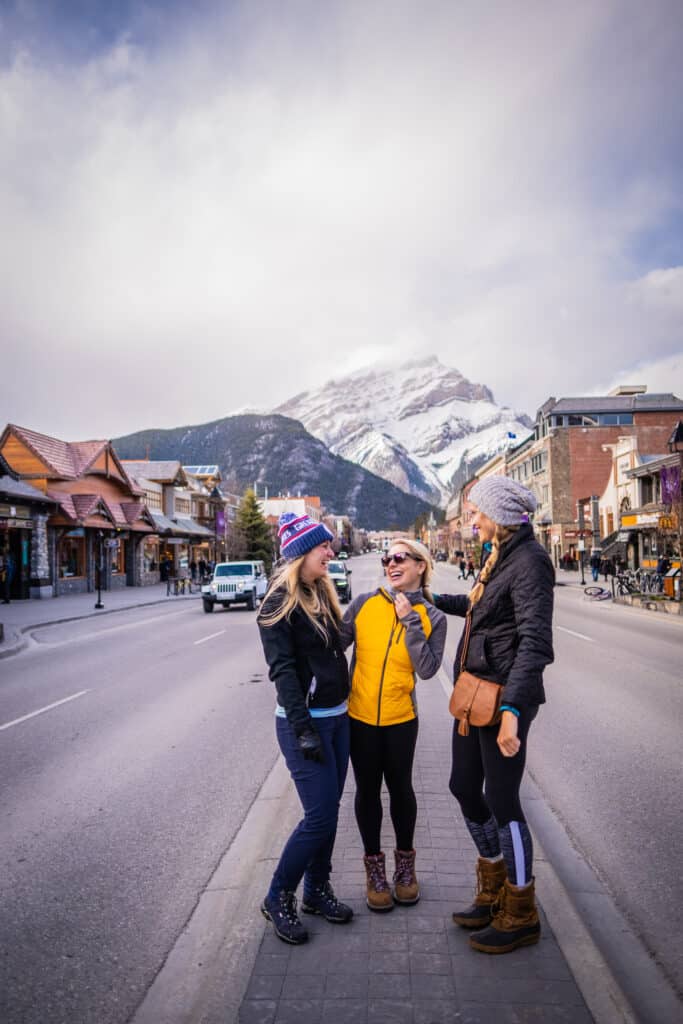
- Hiking Pants: Your best bet for versatility.
- Leggings: Great for comfort and layering.
- Avoid Heavy Jeans: They get wet and stay wet, making you cold.
Footwear: Happy Feet, Happy Travels
This is arguably one of the most important decisions. Forget cute sandals for serious outdoor exploration. You need waterproof hiking boots with good ankle support and grip. Trails can be muddy, slushy, or still have significant snow. A pair of comfortable, casual shoes for strolling through town in drier moments is a good secondary option, but your boots are primary. Don't forget moisture-wicking socks (merino wool is king!).
- Waterproof Hiking Boots: Non-negotiable for trails.
- Moisture-Wicking Socks: Pack several pairs!
- Casual Shoes: For town.
Don't Forget The Bits & Bobs: Accessories!
These small additions make a huge difference to your comfort.

- Hats: Bring two! A warm beanie for chilly mornings, and a wide-brimmed sun hat or baseball cap for UV protection (no joke up here, even on cloudy days).
- Gloves: Lightweight, waterproof gloves or warm fleece ones will save your fingers when wind or surprise snow hits.
- Sunglasses: Essential, especially with snow reflecting light.
- Scarf or Neck Gaiter: Adds extra warmth and protection.
The May Curveball: What To Expect
Remember how I said May is unpredictable? Here's the lowdown:
- Snow: Yes, still very possible, especially higher up. Lake Louise and Moraine Lake roads often don't fully open until late May/early June. Don't expect fully thawed lakes everywhere.
- Mud: With melting snow comes mud. Lots of it. Prepare for it.
- Warm Days: You might get some glorious warm, sunny days. But often sandwiched between cooler, wetter ones.
- Crowds: Still shoulder season, so fewer crowds than peak summer, but not deserted.
So, there you have it. My not-so-secret guide to conquering Banff's May wardrobe challenge. Pack smart, pack layers, and you'll be ready for whatever magnificent, meteorological mischief the Rockies decide to throw at you. Go forth, explore, and stay cozy (or cool, or dry, depending on the moment)!
