
What To Set Heat To When Away
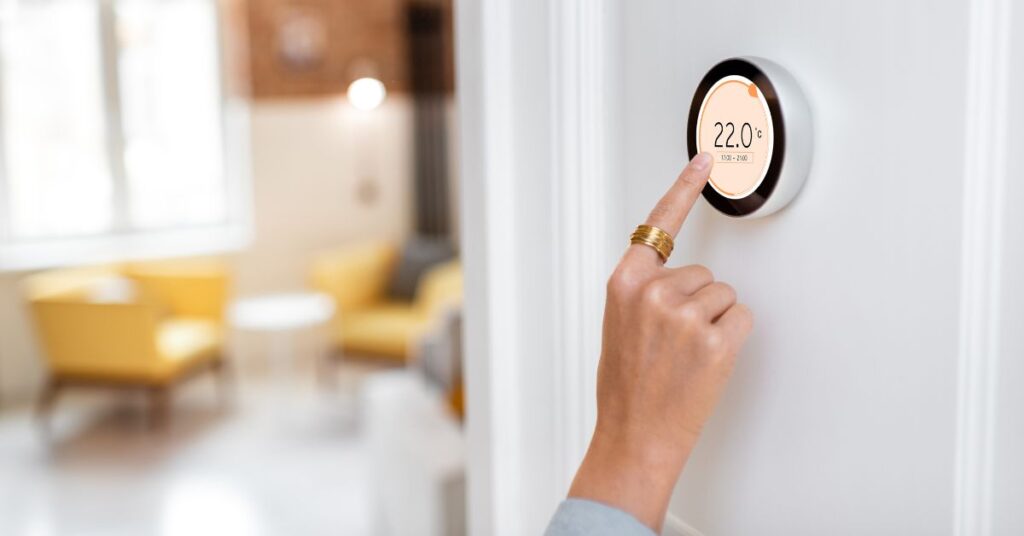
Imagine this: You’re standing by your thermostat, suitcase packed, passport clutched, ready to finally ditch the mundane for mojitos. But then, it hits you. That age-old, existential question that plagues every homeowner before a trip: “What do I do with the heat?!” Do you leave it on for the houseplants? Turn it off completely and risk a tundra? It’s a classic dilemma, right up there with "Is a hot dog a sandwich?" (Spoiler: it's not, it's a taco).
Well, fret not, fellow traveler! We're about to demystify the great heat-away-from-home debate, turning you from a thermostat-terrorist into a climate-control guru. And we'll do it without bursting any pipes – literally or figuratively.
Let’s tackle the extremes first, because nobody wants a horror story involving burst pipes and an indoor ice rink.
Must Read
The "Off" Option (aka The Frozen Nightmare)
Some folks, bless their frugal hearts, think, "Hey, no one's home, why heat an empty house?" They flip the switch to off. Now, if you live in, say, San Diego, and you’re only gone for a weekend, you might just get away with it. You might.
But if you're in, oh, I don't know, anywhere with actual winter and temperatures regularly dip below freezing, turning off your heat completely is basically sending an engraved invitation to the plumbing gods for a catastrophic party. We're talking frozen pipes. And trust me, the only thing worse than coming home to a cold house is coming home to a flooded cold house.
Your insurance adjuster will not be amused, and neither will your bank account when you're replacing half your drywall. This is a big, flashing, neon "DO NOT DO THIS" sign, unless you enjoy chaos and cold showers.
The "Furnace Fiesta" Option (aka Heating for Ghosts)
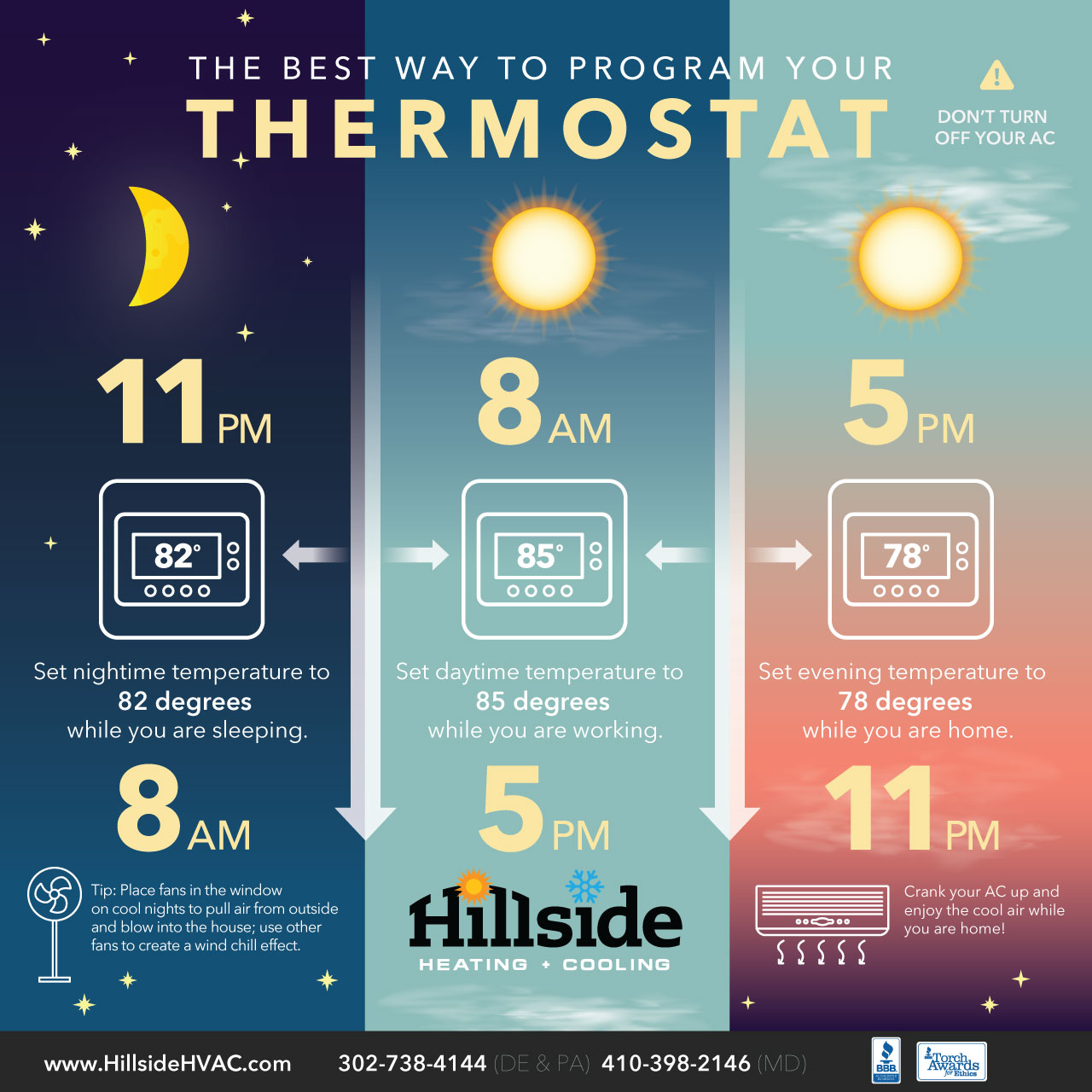
On the flip side, we have the overzealous types. "I want to come home to a warm house!" they exclaim, setting the thermostat to a cozy 72°F (22°C) while they're gone for a week. Bless their thoughtful souls, but who are they heating for? The dust bunnies? The mischievous gnomes living in the walls?
This, my friends, is pure, unadulterated energy waste. You're literally burning money to keep an empty space toasty. Unless you're secretly housing a colony of extremely pampered tropical fish that require specific room temperatures, this is a financial no-go. You’ll return to a hefty utility bill, but no parade in your honor.
The Sweet Spot (The Goldilocks Zone)
So, if "off" is too cold and "full blast" is too hot (and too expensive), what's "just right"? It’s all about finding that magical balance between pipe safety and penny-pinching. Drumroll please...
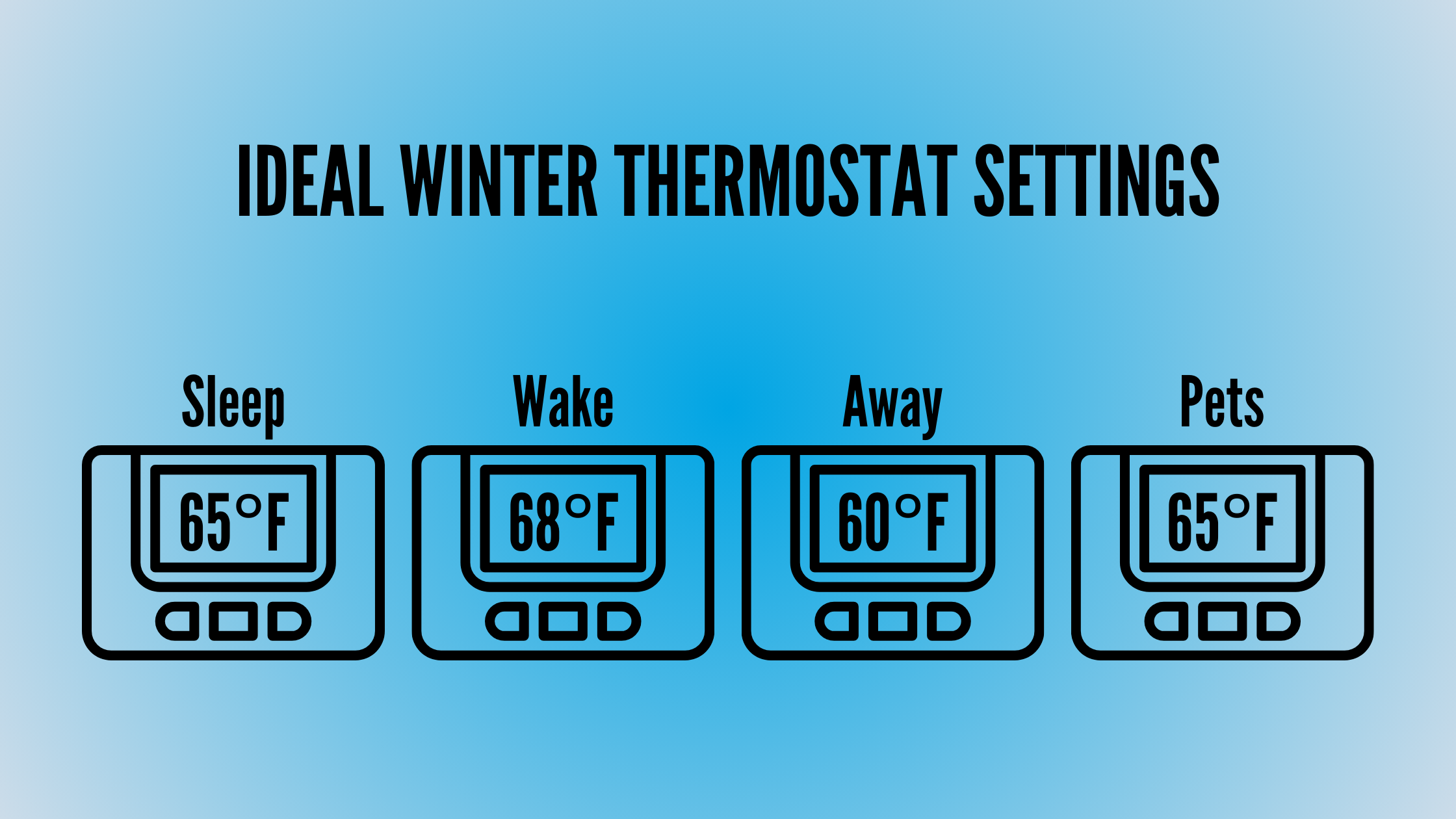
The Winter Away Sweet Spot: 55-60°F (13-16°C)
For most situations, especially during winter months, setting your thermostat somewhere between 55°F and 60°F (13°C and 16°C) is your magic number. This range is the perfect balance. It’s warm enough to prevent your pipes from freezing and bursting, which, let's be honest, is priority number one. Nothing screams "welcome home" like functioning plumbing.
But it’s also cool enough that you’re not needlessly emptying your wallet to heat an unoccupied home. Think of it as a low-level hum, just keeping things ticking over. Your furnace isn't throwing a rave; it's just politely guarding against icy mischief.
Why This Temperature Works (The Sciencey Bit, But Fun!)
"But wait!" I hear you cry from across the imaginary café table, "Doesn't it take more energy to heat a really cold house back up than to just keep it warm?" Ah, my friend, you've stumbled upon one of the oldest thermostat myths! It's time for some myth busting!
It's a common misconception that letting your house get colder means your furnace has to work harder and therefore use more energy to warm it back up. In reality, your heating system works by replacing heat that escapes from your home. The bigger the temperature difference between inside and outside, the faster heat escapes.
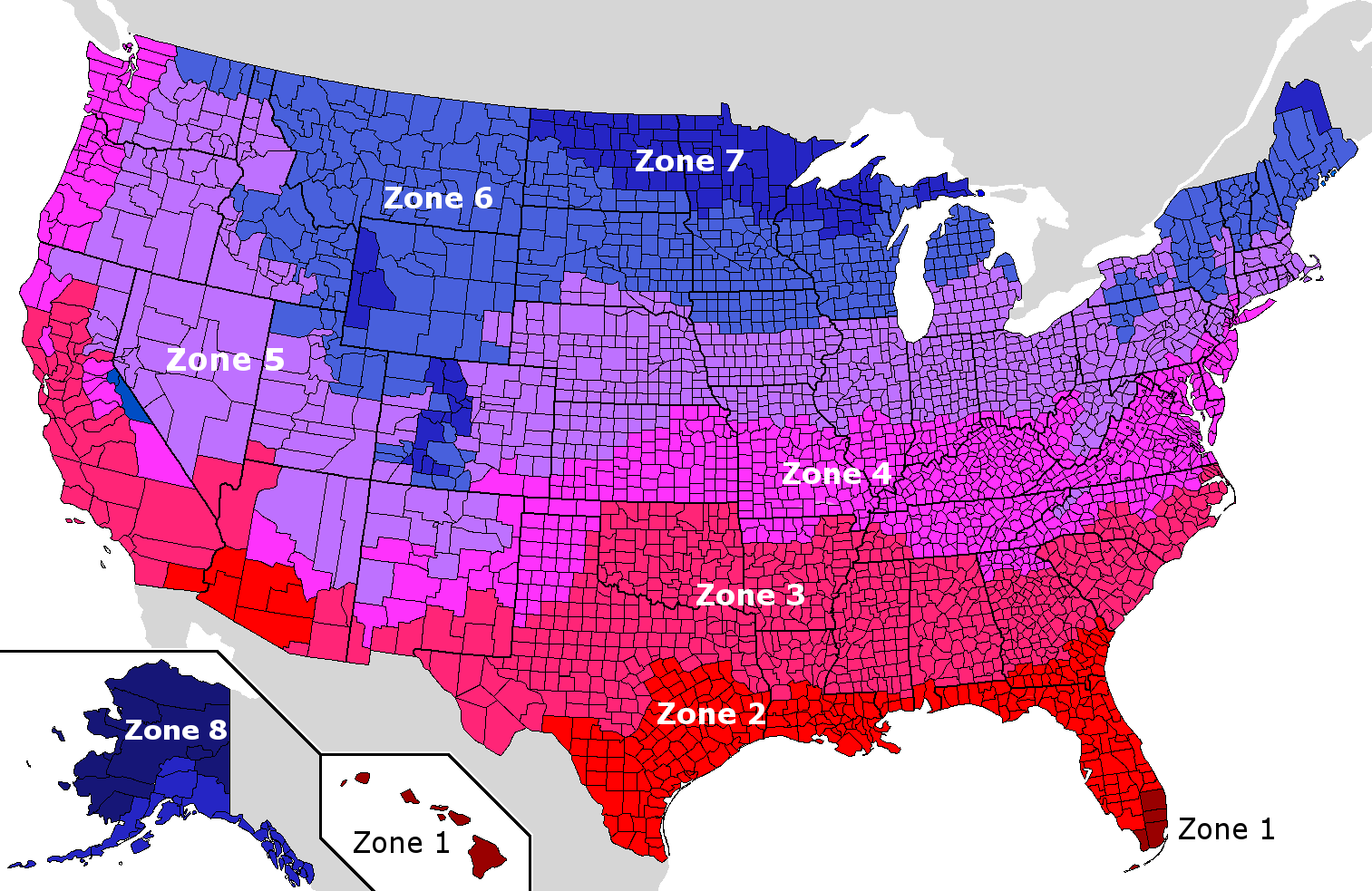
So, a colder indoor temperature means a smaller difference between inside and out. Less difference means less heat loss, and ultimately, less energy consumed overall. It’s like leaving a leaky faucet dripping versus turning it off. Less drip equals less water wasted, even if you have to turn it back on fully later. Your house might take a bit longer to warm up upon your return, but the overall energy savings are significant.
Beyond the Basics: Smart Moves for Smart People (Like You!)
Smart Thermostats: Your Vacation Buddy
If you haven't joined the 21st century yet, a smart thermostat is your new best friend. Seriously. Devices like Nest or Ecobee allow you to adjust your home's temperature from your phone, literally anywhere in the world. Forgot to turn the heat down? No problem! Landed back at the airport and want a warm welcome? Crank it up from the taxi!
It's like having a tiny, climate-controlling butler in your pocket, without having to pay for his tiny butler uniform. Plus, many smart thermostats learn your habits, optimizing even when you forget to think about it.
Long Trips vs. Short Trips
For a quick overnight or a weekend getaway, you might nudge that 55°F (13°C) up a touch to 60°F (16°C) for peace of mind, especially if it’s brutally cold outside. For longer trips (a week or more), 55°F (13°C) is perfectly fine and even more energy-efficient. Just remember, the longer you're away, the more crucial that pipe-protecting temperature becomes. Don't leave your home vulnerable for weeks on end!
Pet Patrol (Important!)
If you've left a furry friend in the care of a sitter, or even if they're home alone for a few hours, remember their comfort. Most vets recommend keeping indoor temperatures for pets between 68°F and 78°F (20-25°C). So, if your pet is staying home, adjust accordingly – perhaps a slightly warmer 60-65°F (16-18°C) for their comfort and safety. They can't exactly put on another sweater, can they? Unless it's a very fashionable dog.
One Last Thought (And A High Five!)
So there you have it! The mysteries of the away-from-home thermostat, demystified with a dash of humor. No more agonizing, no more heating for phantom residents, and definitely no more surprise ice rinks in your living room. You’re now equipped with the knowledge to travel stress-free, knowing your home (and your wallet) will thank you.
Now go forth, enjoy your adventures, and rest easy. Maybe send a postcard to your thermostat – it works hard!