What To Set Heat At In Winter
Ah, winter! The crisp air, the cozy sweaters, and the eternal question: what temperature should I set the heat at? It might sound like a mundane household chore, but for many, it's a delightful dance between comfort, cost-saving, and creating that perfect warm haven. This isn't just about flipping a switch; it's about understanding your home, your family, and finding that sweet spot where everyone is toasty without the utility bill giving you a cold sweat. It's a topic that brings out the inner economist and the comfort connoisseur in all of us, making it surprisingly popular and endlessly useful!
For beginners, like those new to homeownership or managing their own bills for the first time, learning how to set the heat is a fundamental step in home management. The benefit? Gaining control over your environment and your budget, ensuring you're not overspending while staying comfortably warm. No more shivering nights or shockingly high bills! For families, the purpose shifts to balancing multiple comfort levels – keeping toddlers warm, ensuring elderly relatives are cozy, and managing differing preferences without constant thermostat wars. The benefit here is peace of mind, a harmonious home, and clever energy efficiency that stretches the household budget further. And for the hobbyists among us, perhaps the tech-savvy or eco-conscious, diving into smart thermostats and zone heating becomes an exciting challenge. They benefit from ultimate control, detailed energy consumption data, and the satisfaction of minimizing their environmental footprint.
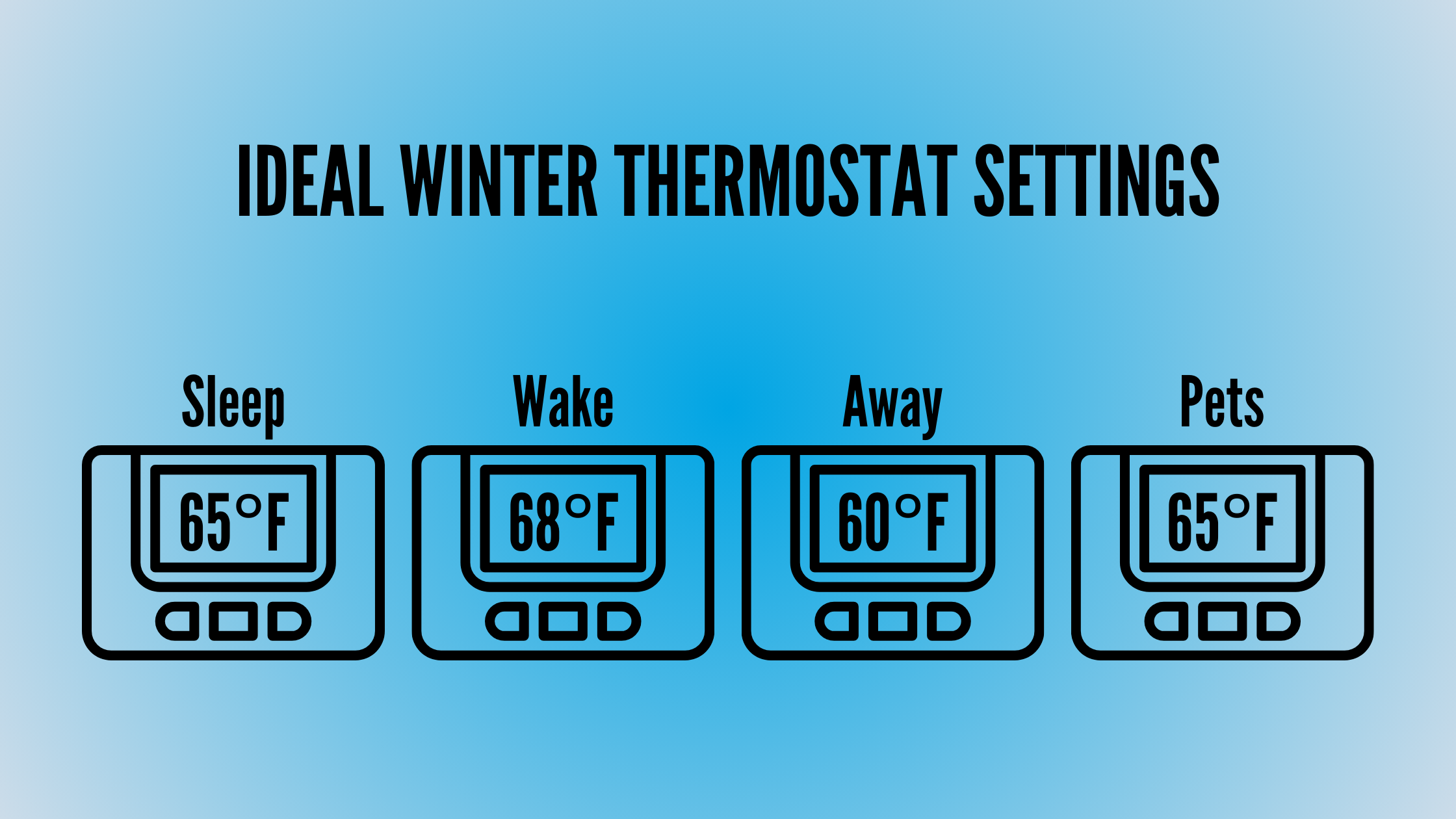
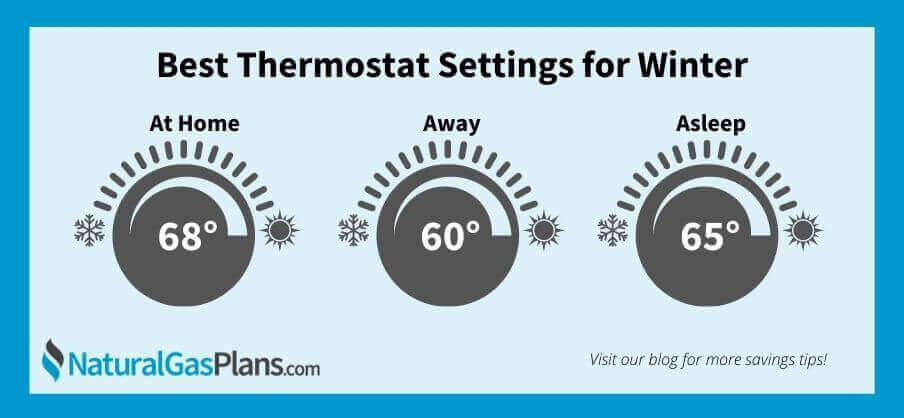
There are so many variations to explore when it comes to setting your winter heat. Some people swear by a consistent temperature all day and night, believing it's more efficient than letting the house cool down. Others embrace the nighttime setback, dropping the temperature significantly while everyone is tucked under blankets, only to bring it back up before morning. Then there's the 'away' temperature – what's the lowest you can go without risking frozen pipes or a very long warm-up upon return? Modern smart thermostats even allow for zone heating, letting you keep the living room warmer than a rarely used guest bedroom, or ensuring the nursery is always just right. The possibilities are endless, allowing you to tailor your heating strategy perfectly to your lifestyle.
Must Read
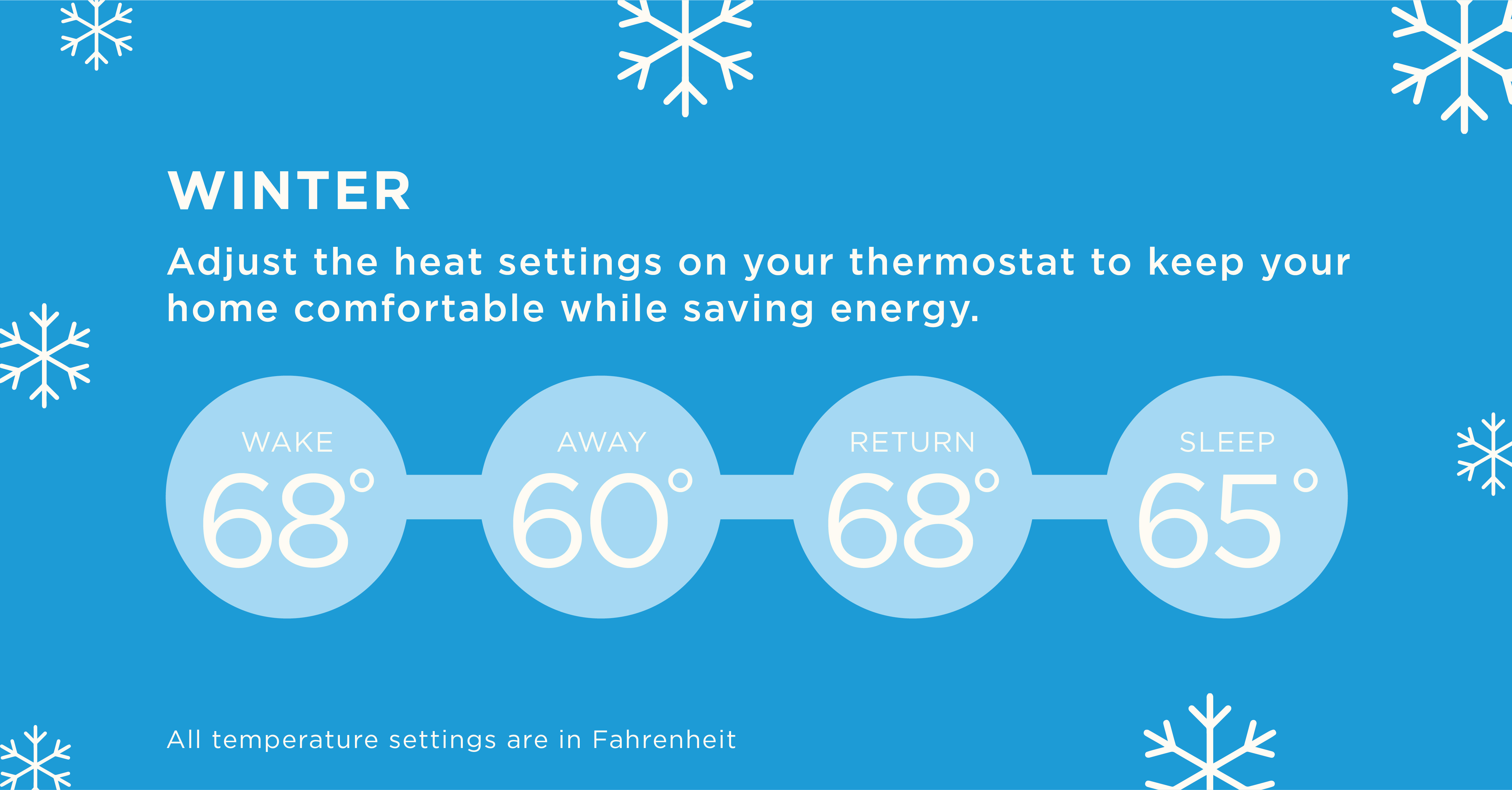
Ready to master your winter warmth? Here are some simple, practical tips to get started. First, don't be afraid to experiment gradually. Start with a commonly recommended baseline, like 68°F (20°C) during the day, and adjust by a degree at a time to find your personal comfort zone. Second, make friends with a programmable or smart thermostat if you don't have one; it's a game-changer for automating temperature changes while you're away or asleep. Third, always remember to layer up first! Before reaching for the thermostat, grab a sweater or a cozy blanket. You might be surprised how often a little extra fabric solves the problem. Lastly, check your windows and doors for drafts – even small gaps can let a lot of precious heat escape, making your furnace work harder than it needs to.
Ultimately, setting your winter heat isn't just about a number on a dial; it's about creating a personal sanctuary, managing your resources wisely, and enjoying the sheer delight of a perfectly warm home when it's chilly outside. Embrace the challenge, find your perfect balance, and revel in the cozy comfort you've created!