What To Look For In 3d Printers
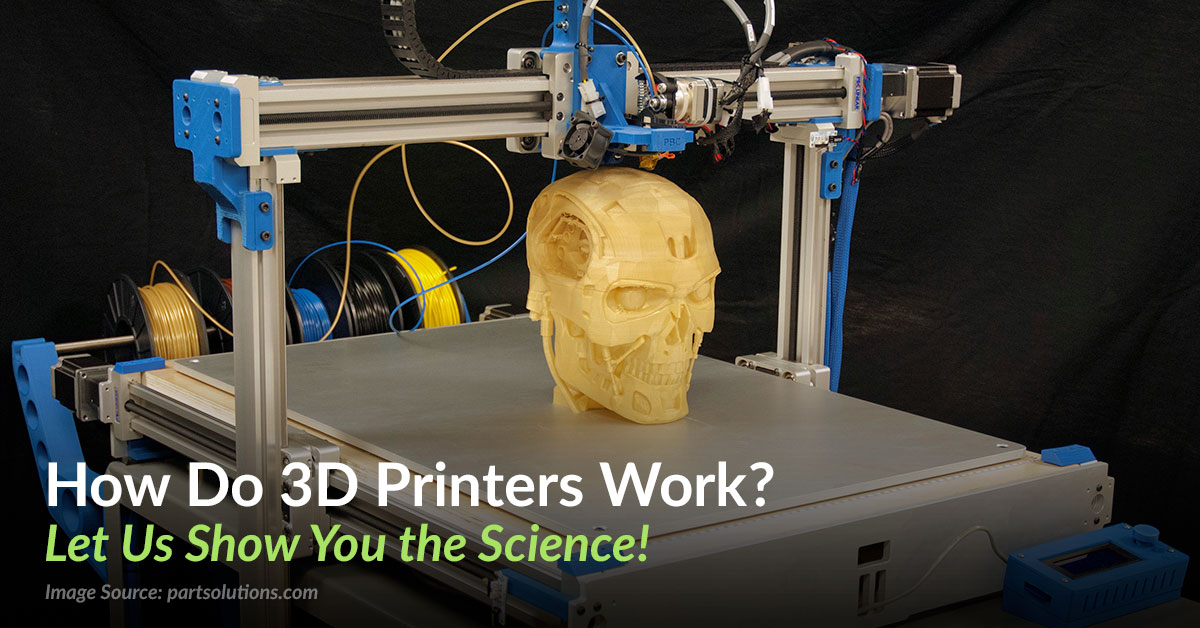
Ever gazed at a cool prop from your favorite game or a bespoke piece of art and wished you could make that? Thanks to the incredible world of 3D printing, that wish is more attainable than ever! What once felt like science fiction is now a vibrant reality, transforming digital dreams into tangible objects right on your desktop. It's truly a creative superpower, giving everyone the chance to be an inventor, an artist, or simply a maker.
The beauty of 3D printing lies in its universal appeal. For artists, it's a revolutionary medium for intricate sculptures, unique jewelry, or custom molds. Hobbyists can bring game characters to life, fabricate model parts, or craft personalized gifts. And for the casual learner, it’s an empowering tool to understand design, engineering, and problem-solving in a wonderfully hands-on way. Imagine prototyping an idea, fixing a broken item with a custom part, or creating a fun toy!
The possibilities are as boundless as your imagination. Picture highly detailed miniature figurines for tabletop gaming, elegant geometric vases for home decor, practical organizational tools, or elaborate cosplay armor pieces. From whimsical plant pots to intricate mechanical gears, the range of styles and subjects is simply breathtaking. It’s not just about what you print, but how your ideas take shape, evolving from a concept to a physical object.
Must Read
So, if you’re ready to dive into this exciting world, what should you look for in a 3D printer for your home? Here are some friendly pointers:
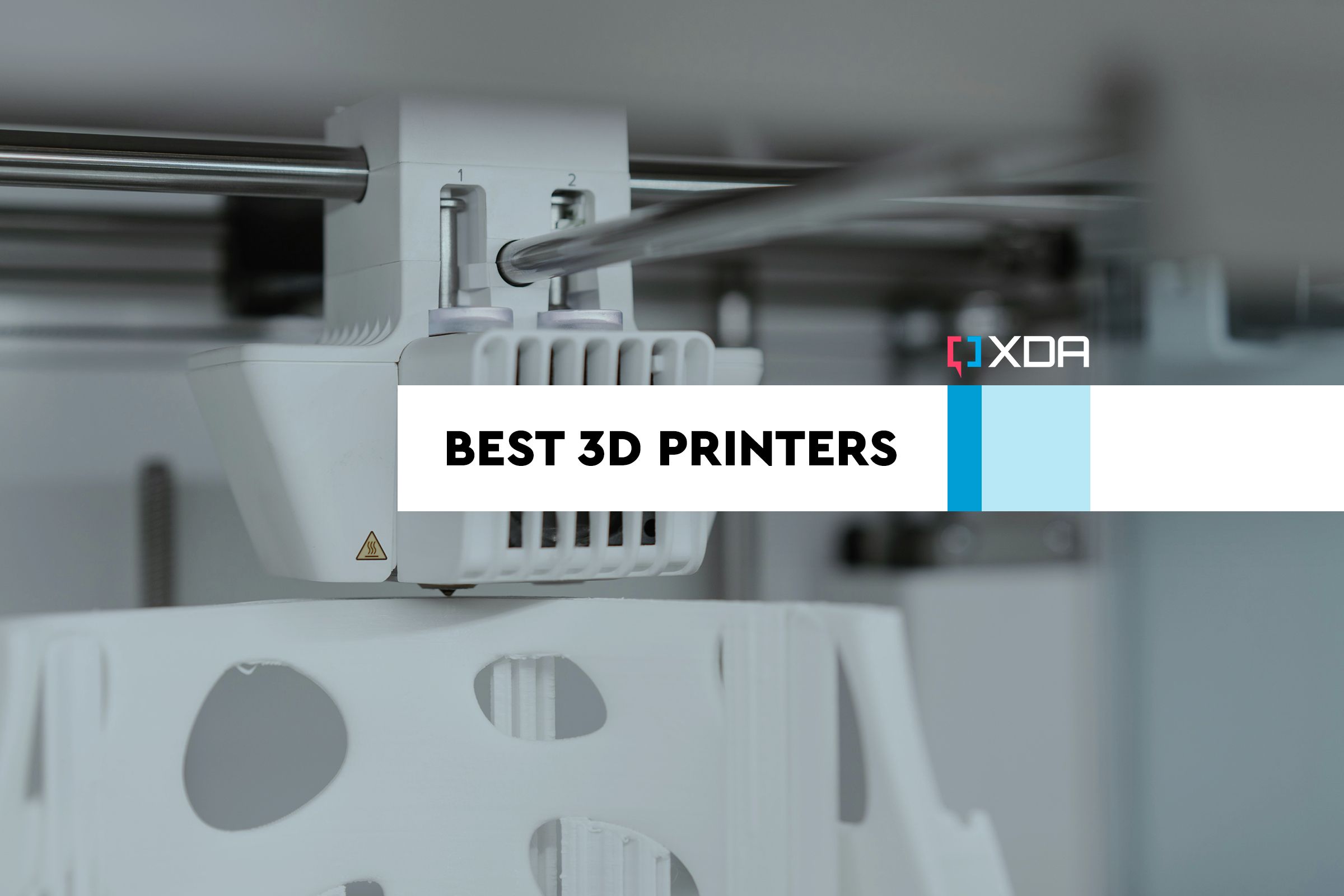
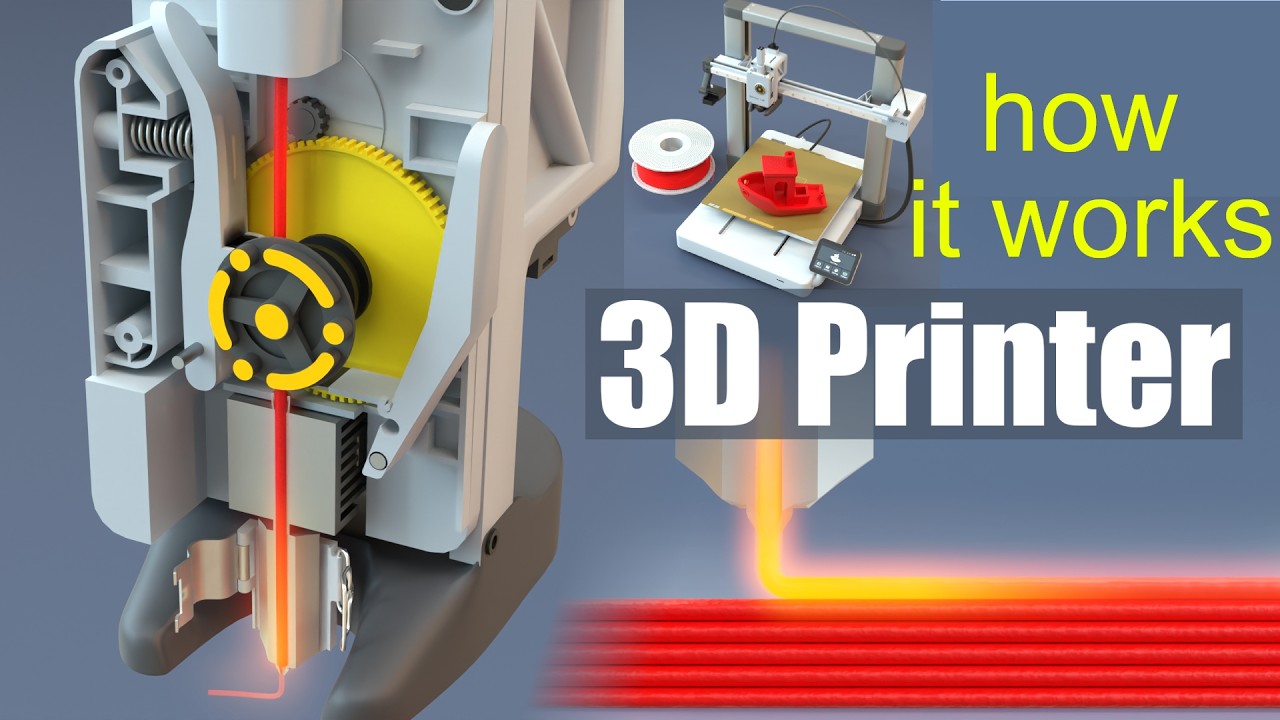
- Printer Type: FDM vs. Resin. For beginners, we often recommend Fused Deposition Modeling (FDM) printers. These melt plastic filament layer by layer, are generally more affordable, easier to maintain, and safer for home use with less odor. They're fantastic for functional prints, larger objects, and general hobbyist projects. Resin (SLA/DLP) printers use UV light to cure liquid resin, offering incredibly fine detail and smooth finishes, perfect for miniatures or intricate art. However, they require more post-processing and ventilation. Start with FDM!
- Build Volume: Size Matters. Think about the largest object you realistically want to print. A printer's "build volume" tells you its maximum dimensions. A standard desktop FDM printer with a build volume around 220x220x250mm is a great starting point for most projects.
- Ease of Use: Plug and Play. Look for features like auto-bed leveling, which simplifies the tricky first layer setup, and pre-assembled units. A user-friendly interface and intuitive slicing software will make your journey much smoother.
- Material Compatibility: Filament Freedom. Opt for a printer that supports standard, non-proprietary filaments (for FDM). This gives you a wider choice of materials (like PLA, PETG) and colors from various manufacturers, often at better prices.
- Community & Support: Your Digital Neighbors. A strong online community (forums, YouTube channels) is an invaluable resource for troubleshooting, sharing tips, and finding inspiration. Good customer support from the manufacturer is also a plus!
- Budget: Start Smart. You don't need to break the bank. There are fantastic entry-level FDM printers available that deliver impressive results without a hefty price tag, making it easier to dip your toes in.
Ultimately, getting started with 3D printing is an incredibly rewarding experience. There's a unique joy in holding something you've designed and brought into existence with your own hands! It nurtures curiosity, sparks innovation, and truly shows you the magic of making. So go ahead, unleash your inner creator – the future is literally at your fingertips!