
What To Do In A Flood At Home

I remember one particularly biblical downpour a few years back. The kind where the rain doesn't just fall; it assaults your windows with a relentless, drumming fury. I was happily curled up on the sofa, mug of tea in hand, binging some questionable reality TV – living my best, oblivious life, you know? Then I heard it. A faint, unsettling drip, drip, drip. Not from the leaky faucet I'd been meaning to fix (classic me), but from… upstairs. Specifically, from the ceiling of our guest bathroom. My heart did a little plummet. Oh, dear.
I raced up, expecting a small, contained puddle. What I found was a steadily expanding, dark patch on the ceiling, already bowing slightly, with a rhythmic, increasingly urgent plink-plonk into the toilet below. Panic set in. Not full-blown screaming panic, but the kind where your brain goes into hyperdrive, cycling through "What do I do?!" and "Oh my god, the insurance!" at warp speed. I grabbed every towel in sight, shoved a bucket under the drip, and then stood there, utterly dumbfounded, watching the water line creep closer to the edge of the bucket. It felt like a scene from a bad comedy, only it wasn't funny. At all.
That moment of standing there, paralyzed by a mixture of disbelief and impending doom, is probably something many of you can relate to, even if your specific water woes haven't involved an impromptu indoor waterfall. Whether it's a burst pipe, an overflowing river, or just rain that decided your living room needed a new water feature, facing a flood at home can feel totally overwhelming. So, let's chat about what you can do when the water starts making itself a little too comfortable in your space, because trust me, being prepared beats standing there like a confused meerkat.
Must Read
The "Oh Crap, It's Happening" Moment: First Steps
Okay, so you've heard the ominous gurgle or seen the water seeping under the door. Your first instinct might be to scream or grab a mop, but hold your horses (and your mop, for now). The absolute, number one, most important thing is your safety. Period.
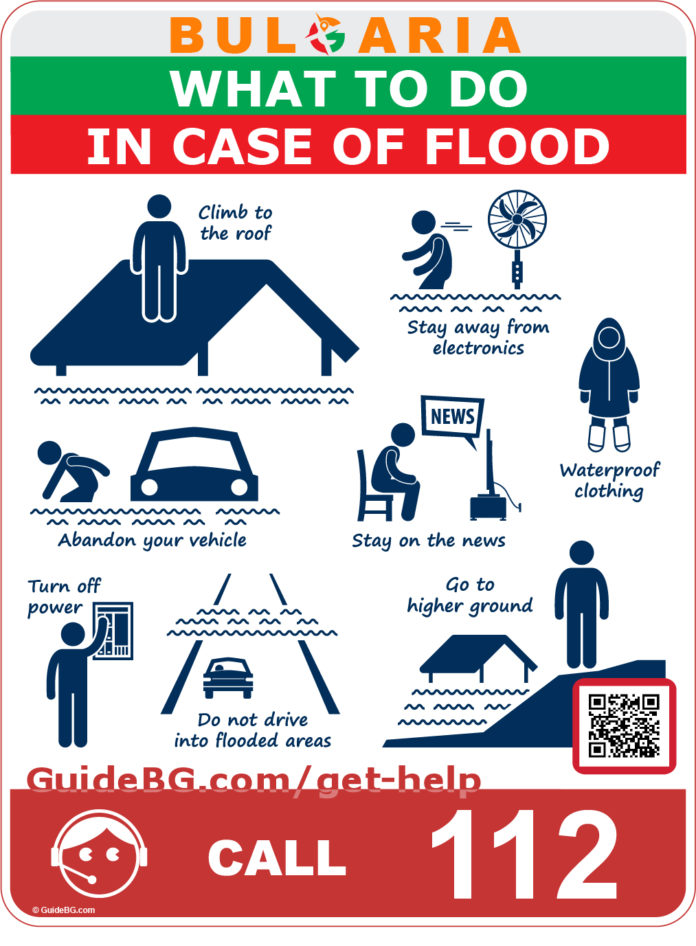
Kill the power! I cannot stress this enough. Water and electricity are not friends. If it's safe to do so, head to your main breaker box and flip that bad boy off. If the area around the box is already wet, or if you have to wade through water to get there, DO NOT TOUCH IT. Call your utility company or emergency services for help. Same goes for gas – if you smell gas or suspect a leak, turn off the main gas supply if you know how and it's safe, then get out and call for help. Trust me, electrocution or an explosion is far worse than a soggy carpet.
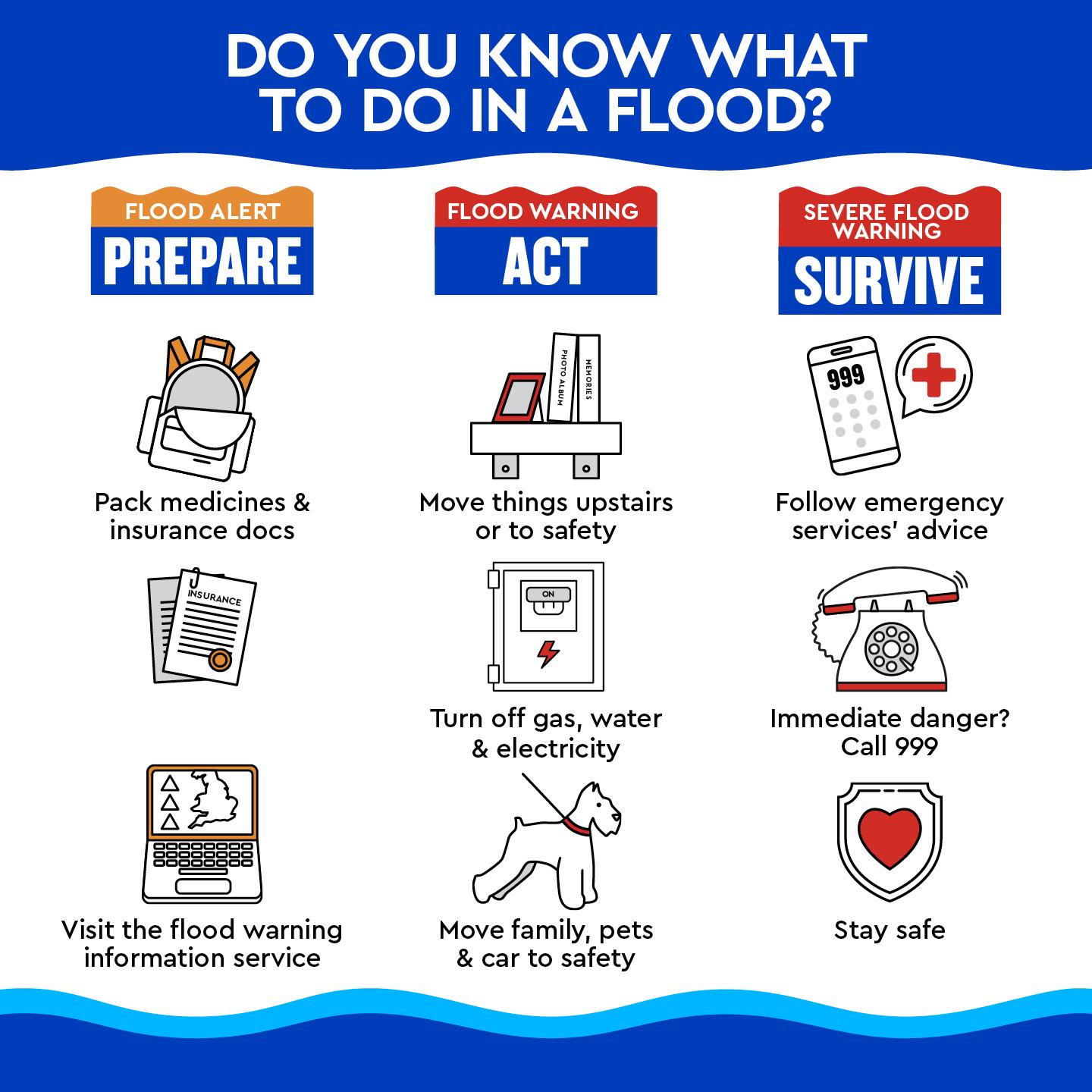
Next up: move what you can. If you've got a minute or two before things get truly wet, quickly move valuables, important documents, electronics, and anything sentimental to higher ground. Upstairs is great, even on top of tables is better than the floor. You'll thank yourself later when you're not trying to dry out Grandma's photo album with a hairdryer. Stack furniture on blocks if you can, or at least get smaller, easily damaged items off the floor.
And those sandbags you optimistically bought (or thought about buying)? Now's their moment! If the water is still outside or just starting to breach, place them around doorways or other entry points. No sandbags? A rolled-up towel or even plastic sheeting secured with duct tape can buy you a few precious minutes, sometimes. Every little bit helps, right?
When the Water's Waving Hello (and You're Not Happy About It)
Right, so the water's in. It's not just a puddle, it's a shallow lake. Take a deep breath. Again, safety first!

Do NOT wade into standing water unless you absolutely have to, and even then, be extremely careful. You don't know what's in it. Electrical currents, sharp objects, raw sewage (ew, I know). If you must move through it, use a stick or broom handle to probe ahead of you. Wear waterproof boots if you have them. Think of it like a murky obstacle course where one wrong step could lead to… well, bad things.
If the situation is truly dire – water levels rising rapidly, structural damage, or immediate danger to life – call emergency services (911 or your local equivalent) immediately. Don't try to be a hero. Your life is worth more than your antique armoire.
While you're waiting for help, or if the situation is less life-threatening but still awful, grab your phone. Not for scrolling TikTok, but for documentation. Take photos and videos of everything – the water level, damaged items, the extent of the flooding. This is your future insurance claim evidence. The more detailed, the better. You want to be able to show them exactly what happened, not just describe it with frantic hand gestures later. Remember that emergency kit you (hopefully) put together? Now's the time to grab it!
Post-Flood Funk: What to Do While Waiting for the Coast to Clear
The immediate surge has passed, or the rain has finally stopped. The water might still be hanging out, but the worst of the crisis feels over. What now?
First off, resist the urge to immediately grab a pump and start draining everything out. I know, it's tempting. But if the ground outside is still saturated and the water table is high, pumping water out of your basement too quickly can actually cause structural damage to your home, like collapsed walls. Talk about adding insult to injury! Wait until the water outside has receded to a level that won't exert too much pressure on your foundation.

Contact your insurance company. Immediately. They'll guide you through the claims process, and they'll likely send out an adjuster to assess the damage. The sooner you call, the sooner the wheels start turning. Have all those photos and videos handy, along with any relevant policy numbers.
Finally, and this might sound obvious, but do not re-enter your home or affected areas until they've been declared safe. This might be by emergency services, your insurance company, or a qualified contractor. There could be hidden electrical hazards, gas leaks, weakened structures, or contaminated water. Your home might be trying to tell you it needs some serious TLC before it's safe for occupancy. Listen to it.
Facing a flood at home is never a fun experience. It's stressful, it's messy, and it can feel totally overwhelming. But by staying calm (as much as possible!), prioritizing safety, and knowing these key steps, you can navigate the crisis more effectively and minimize the long-term damage. Be safe out there, my soggy friends!