
What To Do If Your House Smells Like Gasoline

Okay, let's be real. Walking into your home and getting a whiff of gasoline is about as pleasant as finding out your avocado is rock hard the minute you decide to make guacamole. It's alarming, unsettling, and frankly, a bit panic-inducing. But before you envision your house spontaneously combusting like a scene from a Michael Bay movie, let's take a deep breath (through your mouth, not your nose!), and calmly assess the situation.
The Detective Work Begins
First things first: source identification. Think of yourself as Sherlock Holmes, but with a potentially flammable mystery on your hands. Don't light a match, Watson!
- The Obvious Suspects: Has someone been doing yard work? Did you recently fill up a jerrycan for the lawnmower and maybe, just maybe, spilled a little? Check the garage, the shed, and any outdoor storage areas. Even a tiny spill can create a significant odor. Think of it like that one guest who overstays their welcome – a little can go a long way.
- The Car Connection: If you have an attached garage, your car could be the culprit. A leak in the fuel line or a faulty gas cap can lead to fumes seeping into your home. Consider if your car has been acting up lately, and if so get it checked out by a professional.
- The Unlikely Culprits: This is where things get a bit more interesting. Sometimes, the smell isn't actually gasoline, but something mimicking it. Certain cleaning products, solvents, or even some types of adhesives can have a similar odor. Consider if you recently used anything new or powerful in your home.
Immediate Action: Safety First!
Okay, so you’ve sniffed around (carefully!) and have a better idea of what's going on. Now it's time to take action. Ventilation is key! Open all the windows and doors to create cross-ventilation. Turn on fans to circulate the air. Think of it as airing out a stuffy room after a particularly intense game of Monopoly – you need to get the bad vibes (and fumes!) out.
Must Read
Absolutely no open flames! This should go without saying, but we're saying it anyway. No candles, no cigarettes, and definitely no lighting that old gas stove you've been meaning to replace. This isn't the time to channel your inner pyromaniac.
If the smell is very strong, or if you suspect a significant leak, evacuate the house immediately. Call the fire department from a safe location. It's always better to be safe than sorry, especially when dealing with potentially hazardous materials.
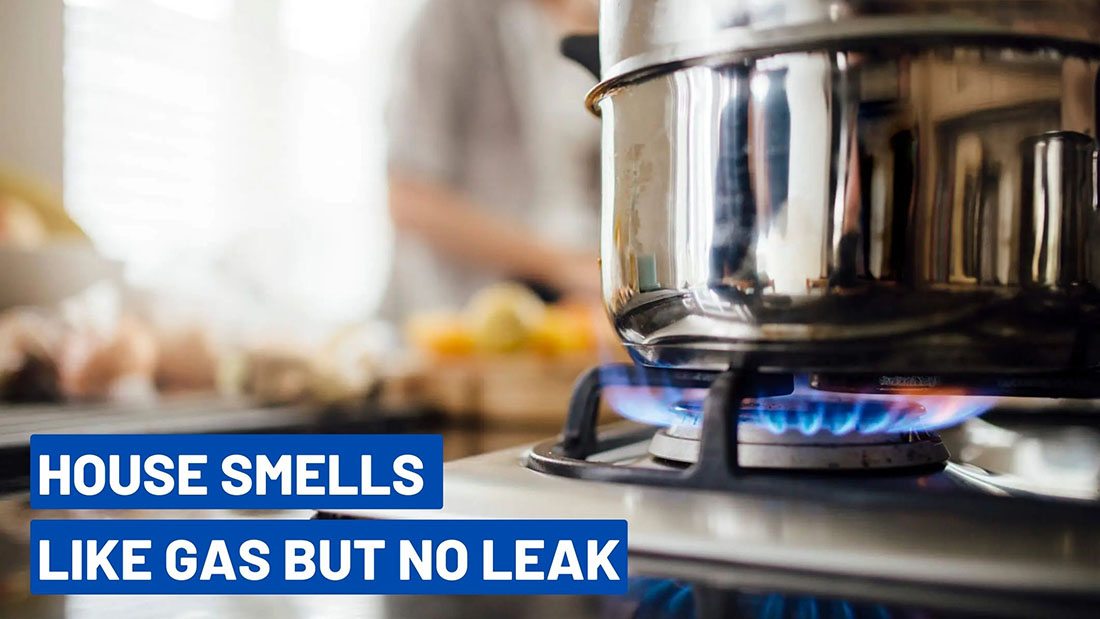
The Clean-Up Crew
Once you've identified and addressed the source, it's time to clean up. If it was a small spill, absorb the gasoline with absorbent materials like kitty litter, sawdust, or paper towels. Never use water! Water will only spread the gasoline and make the problem worse.
Dispose of the absorbent material properly. Contact your local waste management for guidance on hazardous waste disposal. Don't just toss it in the trash – that's a big no-no. Think of it as responsible adulting 101.

After cleaning up the spill, continue to ventilate the area for several hours, or even a day, to ensure all the fumes have dissipated. You can also use an air purifier with a carbon filter to help remove any remaining odors. If the smell lingers or if you suspect the contamination is more significant, consider calling a professional cleaning service specializing in hazardous material removal. They have the equipment and expertise to handle these situations safely and effectively.
Prevention is Better Than Cure
Now that you've survived the gasoline scare, let's talk prevention. Proper storage of gasoline and other flammable liquids is crucial. Store them in approved containers, away from heat sources and open flames. A well-ventilated shed or garage is ideal. Regularly inspect your car for leaks and address any issues promptly. And be mindful of the products you use in your home – always read the labels and follow the instructions carefully.

Think of your home as a temple – a safe and comfortable space. By taking these precautions, you can minimize the risk of encountering unwelcome smells and potential hazards.
A Final Thought
A gasoline smell in your home can be alarming, but by staying calm, acting decisively, and following these simple steps, you can address the situation safely and effectively. It's a reminder that even in our seemingly ordinary lives, we sometimes have to face unexpected challenges. How we respond to those challenges – with a combination of knowledge, preparedness, and a dash of humor – ultimately defines our experience. And hey, at least you've got a great story to tell at your next dinner party (just don't light any candles!).
