What To Do If Your Home Floods

Let's be honest, nobody enjoys the thought of their home flooding. It’s not exactly a top contender for "fun weekend activities." Yet, there's a certain peculiar human satisfaction we derive from being prepared, from knowing we can face even the grimmest of scenarios with a plan. It's the same deep-seated comfort we find in having a spare tire, a fully charged phone, or a well-stocked pantry during a snowstorm – a quiet, underlying confidence that whispers, "I've got this." This article isn't about enjoying the actual flood (perish the thought!), but about finding empowerment and peace of mind in knowing what to do, turning a potential disaster into a manageable challenge with a clear roadmap.
The purpose of understanding flood preparedness isn't just about damage control; it's fundamentally about safety and resilience. In an everyday sense, it serves as a critical safety net, ensuring the well-being of your family and pets above all else. Beyond that, having a plan can significantly reduce the emotional and financial toll. Imagine minimizing structural damage, salvaging cherished heirlooms, or simply cutting down the time your life is disrupted. This knowledge benefits us by transforming overwhelming chaos into a series of actionable steps, allowing for a faster, more efficient return to normalcy and potentially saving you thousands in repair costs and countless hours of heartache.
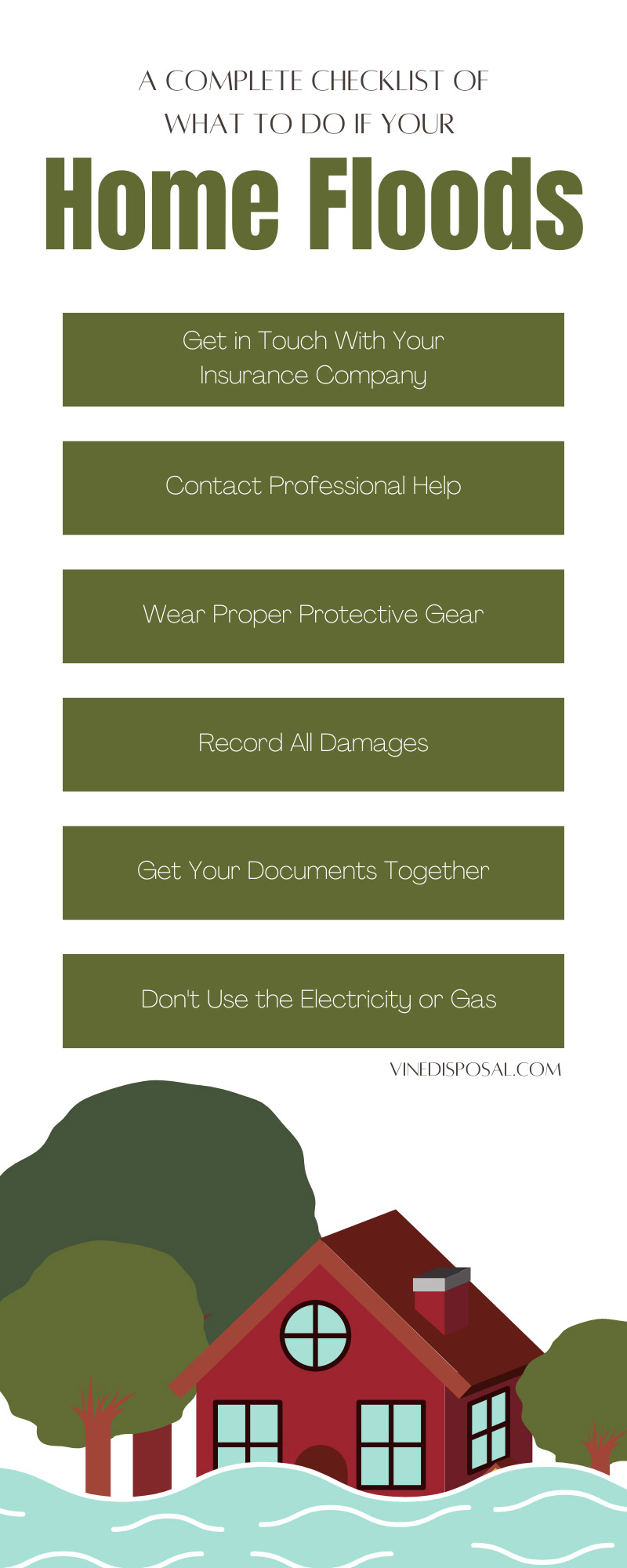
So, what does this "preparedness in action" look like? Common examples include: before a storm, securing important documents in a waterproof bag, knowing where your home’s main power breaker and water shut-off valves are, and having an emergency kit (a "go-bag") packed. If the water starts to rise, the application shifts: safety becomes paramount. This means turning off electricity and gas immediately if it’s safe to do so, avoiding walking through floodwaters due to hidden hazards or contaminants, and if advised, evacuating promptly. Post-flood, it involves documenting damage thoroughly with photos and videos for insurance, contacting your insurer right away, and beginning cleanup safely and systematically, often involving professional restoration services for structural drying and mold prevention.
Must Read
To navigate this challenging scenario more effectively (because "enjoy" still feels a bit off!), here are some practical tips. Firstly, create a comprehensive emergency plan and share it with your household, including evacuation routes and meeting points. Secondly, regularly check your insurance policy to understand your flood coverage – many standard policies don’t include it! Thirdly, keep a digital backup of crucial documents in the cloud. When the unthinkable happens, remember to prioritize health and safety: wear protective gear during cleanup, ensure proper ventilation, and be wary of contaminated water. Lastly, don't be afraid to ask for help from neighbors, community resources, or professionals. Floods are communal challenges, and leaning on your support network can make all the difference. While a home flood is a terrible ordeal, a prepared mind can turn overwhelming dread into determined action, helping you rebuild and recover with strength and efficiency.