What To Do If You Find Oil On Your Property

So, you're wandering your property, maybe admiring the sunset or chasing squirrels, and suddenly... you see it. A shimmering, iridescent puddle. Could it be? Oil? On your land? Whoa. Hold up. Before you start picturing yourself swimming in a pool of crude oil à la Scrooge McDuck (probably not a great idea, by the way), let's talk about what happens next.
First things first: Confirm It!
Before you start counting your future riches, let's make sure it's actually oil and not just some weird puddle of motor oil someone dumped. Is it thick and viscous? Does it have that distinct petroleum smell? Think black gold, not dish soap. A simple test: dab a bit on a paper towel. If it leaves a dark, greasy stain that lingers, you're probably looking at the real deal.
But, like, seriously confirm. You can even call your local environmental agency or a qualified environmental consultant for a professional opinion. Better safe than sorry (and way better than getting your hopes dashed by a rogue patch of algae!). Think of it like calling in the CSI of soil – only way less dramatic (hopefully!).
Must Read
Why is this so darn interesting?
Okay, so you've confirmed it's oil. Why should you even care? Well, apart from the potential for a new income stream (we'll get to that), finding oil on your property is basically like stumbling upon a hidden treasure. It's a geological time capsule, a remnant of ancient organisms that lived millions of years ago! It's like unearthing a fossil, only instead of a dinosaur bone, it's the energy that powered those dinosaurs (in a roundabout way, of course). Pretty cool, right?
Okay, It's Oil. Now What? (Legally Speaking)
Alright, reality check time. Finding oil isn't automatically a winning lottery ticket. There's a whole legal and regulatory framework to navigate. In most places, you, as the landowner, own the surface rights. But the mineral rights (the right to extract resources like oil and gas) might be a different story. They could be owned by someone else entirely – a previous owner, the state, or even a corporation.
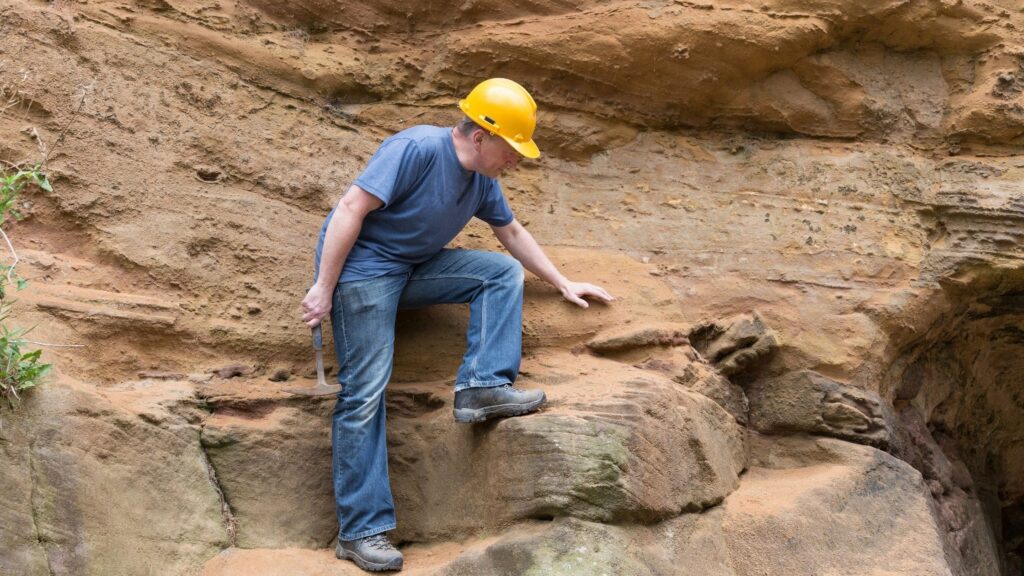
This is where things get a little complicated, and it's crucially important to do your research. Contact your local county recorder's office to search for records related to your property and any mineral rights deeds. Think of it as detective work – you're tracing the history of your land and its resources. A real estate lawyer specializing in mineral rights can be your best friend here. They can help you understand your rights and responsibilities.
Could You Become An Oil Tycoon? (Maybe!)
So, let's say you do own the mineral rights. What are your options? Well, you could potentially lease your land to an oil company. They would handle the drilling and extraction, and you would receive royalties – a percentage of the oil produced. It's like being a landlord, but instead of renting out an apartment, you're renting out the earth beneath your feet!
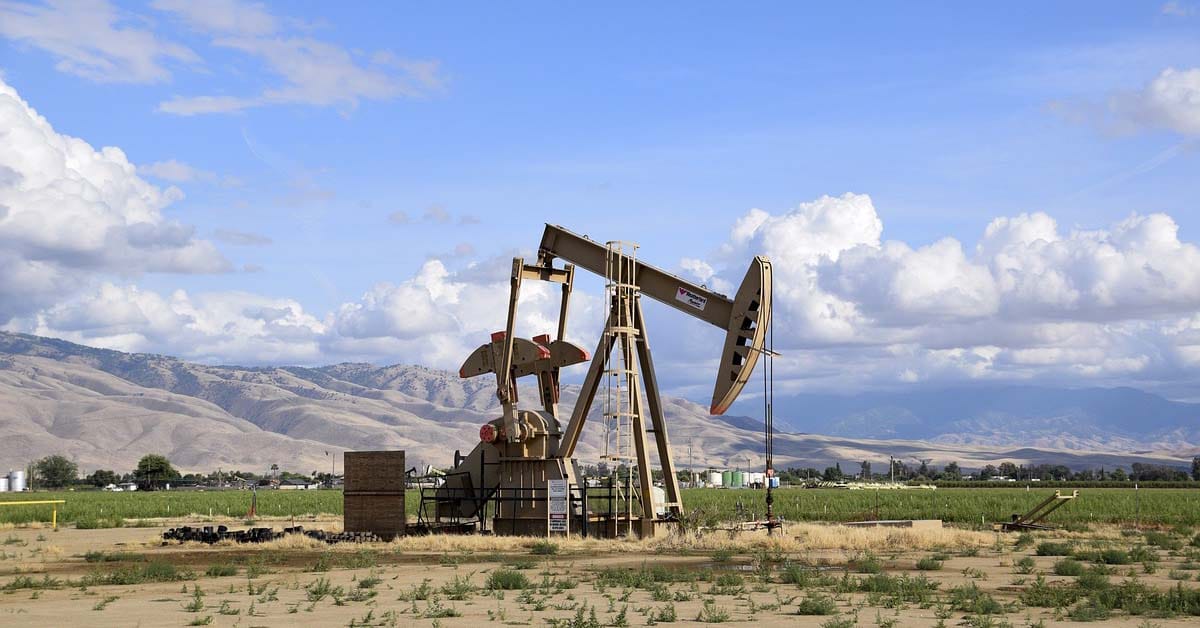
Or, if you're feeling particularly ambitious (and have deep pockets), you could even consider drilling yourself. But be warned: this is a hugely complex and expensive undertaking. We're talking permits, environmental regulations, specialized equipment, and a whole lot of expertise. Think of it as starting your own small business, only instead of selling coffee, you're selling…well, oil. It's a much riskier proposition than leasing, but the potential rewards could be greater.
Protecting the Environment (Because It Matters!)
Regardless of what you decide to do, environmental responsibility is key. Oil exploration and extraction can have significant environmental impacts, so it's crucial to work with reputable companies that adhere to strict safety and environmental standards. Think of it as being a good steward of the land – you're responsible for protecting it for future generations. Nobody wants an oil spill in their backyard (or anywhere else, for that matter!).
The Bottom Line
Finding oil on your property is undoubtedly a unique and potentially lucrative situation. But it's also a complex one, with legal, environmental, and financial considerations. Do your homework, consult with experts, and make informed decisions. Who knows, you might just become the next J.R. Ewing (minus the drama, hopefully!). At the very least, you'll have a fascinating story to tell.
And hey, even if you decide that oil extraction isn't for you, you can still appreciate the geological wonder beneath your feet. It's a reminder that the earth is full of surprises, and sometimes, those surprises are worth their weight in…well, you know.