What To Do If My Carbon Monoxide Detector Goes Off
You know that heart-stopping moment when an alarm shrieks, and your first thought is usually, "Ugh, what now?" Maybe it's the smoke detector getting a bit dramatic about your slightly-too-toasty bagel, or perhaps it's your car alarm having a tantrum. But there's one alarm you should always listen to with utmost seriousness (and zero "ugh"): your carbon monoxide (CO) detector. While the topic of a silent killer might not sound like a barrel of laughs, knowing exactly what to do can be surprisingly empowering and, dare we say, even a little bit fun in a "I'm a prepared superhero!" kind of way. It’s about taking control, staying safe, and turning a potentially scary situation into a clear, actionable plan.
So, why is this topic so important? Carbon monoxide is often dubbed the "silent killer" for a very good reason. It’s a colorless, odorless, tasteless gas, meaning you can't detect it with your senses. It comes from common household appliances like furnaces, gas stoves, water heaters, and even cars, especially if they're not properly vented or maintained. When CO levels build up, it can quickly become life-threatening, causing symptoms like headaches, dizziness, nausea, and confusion, which can easily be mistaken for the flu. That's where your trusty CO detector swoops in, acting as your invisible guardian, letting out an unmistakable chirp when it senses danger. Knowing what to do when it sounds isn't about panic; it's about giving yourself the ultimate advantage and ensuring the safety of everyone under your roof.
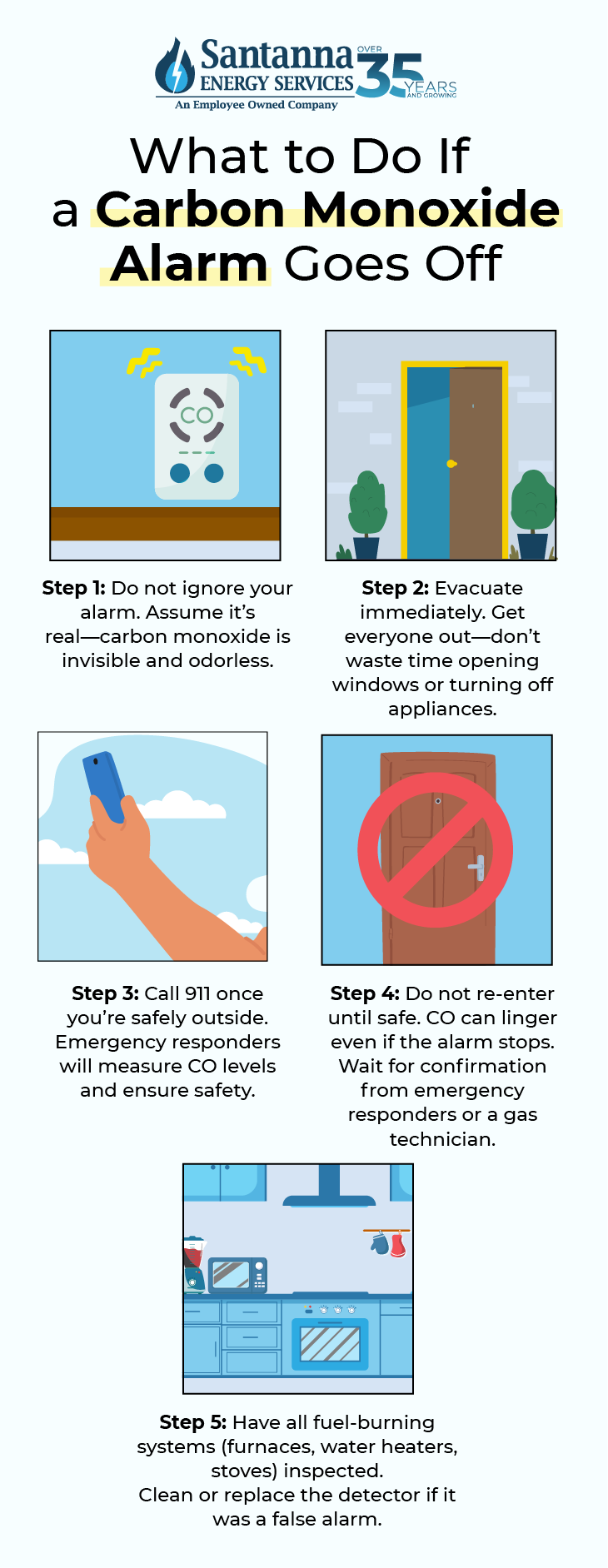
Okay, the detector's going off. Take a deep breath! Here’s your fun, easy-to-remember action plan:
Must Read
- Don't Ignore It! Unlike that annoying smoke alarm that screams at your burnt popcorn, a CO alarm is always serious. There's no "maybe it's just dusty" with carbon monoxide.
- Get Fresh Air, IMMEDIATELY! This is the golden rule. As soon as that alarm sounds, everyone needs to evacuate the building. Grab your kids, your pets, and hustle outside to fresh air. Don't waste time gathering belongings, opening windows, or trying to find the source. Your lungs need oxygen, not CO.
- Call for Help! Once you’re safely outside, dial 911 or your local emergency services number. Clearly state that your carbon monoxide detector is alarming. They are trained professionals who can assess the situation safely.
- Stay Out! It might be tempting to pop back in for your phone, keys, or even just "one quick look," but resist the urge. Do not re-enter the building until emergency personnel tell you it's safe to do so. They have specialized equipment to check CO levels.
- Seek Medical Attention if Unwell. If anyone in your household is experiencing symptoms like headache, dizziness, nausea, or weakness, even if they seem mild, it’s crucial to get medical attention right away. Tell the medical professionals that you may have been exposed to carbon monoxide.
- Professional Inspection. After the emergency services have cleared your home, make sure you have a qualified technician inspect the source of the CO leak. This could be an appliance, a chimney, or ventilation system that needs repair.
Your carbon monoxide detector is literally a lifesaver. By following these simple steps, you're not just reacting to an alarm; you're taking proactive control and ensuring a happy, healthy, and hazard-free home for everyone you care about. Stay safe out there, you superhero, you!

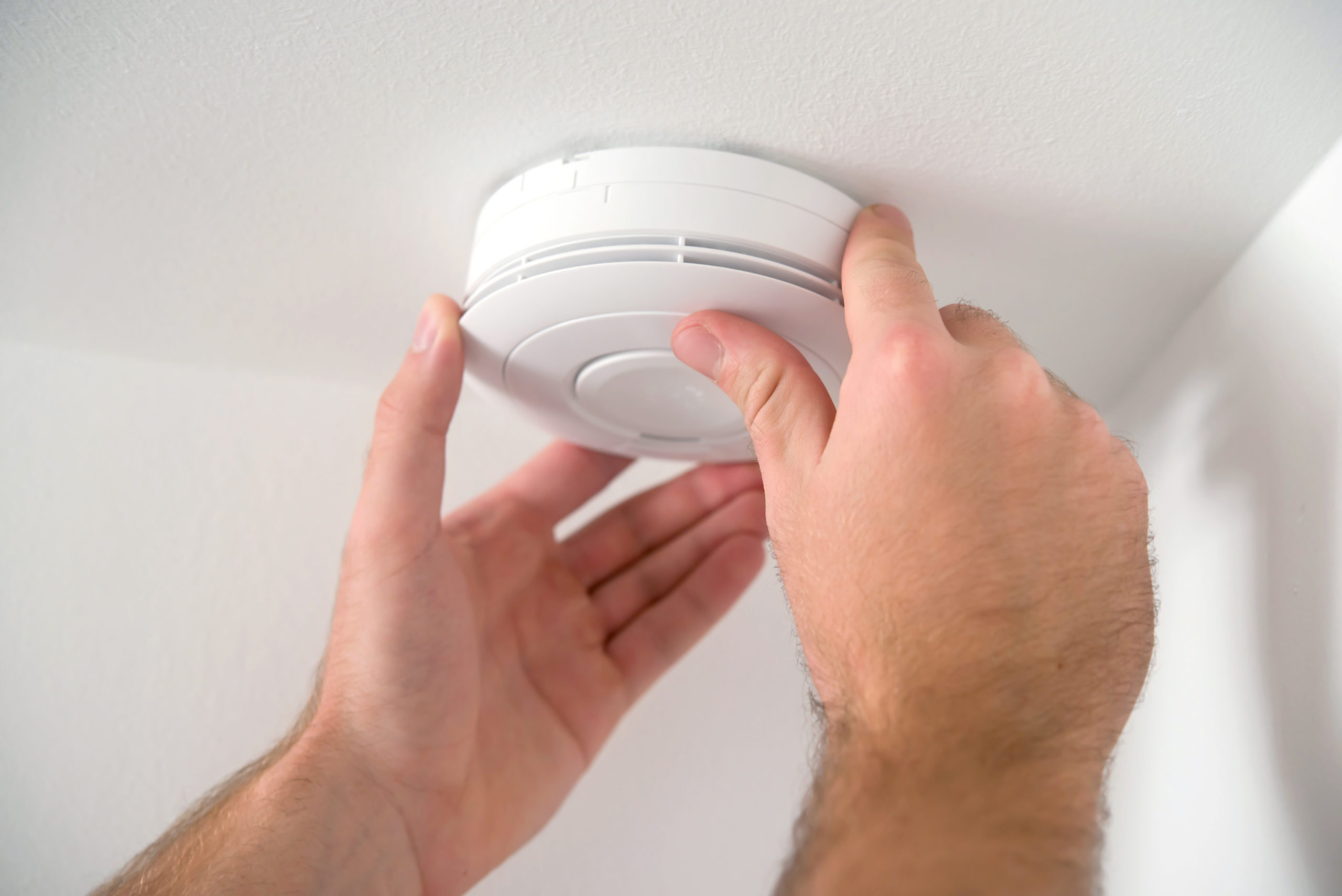
![Carbon Monoxide Detector Went Off Twice Then Stopped [Explained] – Fire](https://firesafetysupport.com/wp-content/uploads/2023/03/carbon-monoxide-detector-went-off-twice-then-stopped.webp)