
What To Do If An Earthquake Hits
Alright, let's talk about it. The ground starts to rumble. Your coffee cup does a little dance on the table. You think, "Is that a really big truck?"
Then it hits you. It's not a truck. It's an earthquake. Cue the internal scream.
Now, what do you do? We've all heard the official advice, the sage wisdom passed down through generations of emergency preparedness. But let's be honest, in the heat of the moment, our brains often default to something else entirely.
Must Read
The "Unpopular" First Reaction
My personal, highly unscientific opinion? The very first thing most of us do is stand there, utterly bewildered. We might even just stare, wide-eyed, as everything around us shakes.
It's a moment of pure, unadulterated "What the actual heck?!" Your brain is trying to process "ground moving" which is a concept it really struggles with.
And you know what? That's perfectly human. Don't feel bad about your momentary paralysis. It's a natural part of being a squishy, unprepared creature on a very solid-until-it's-not planet.
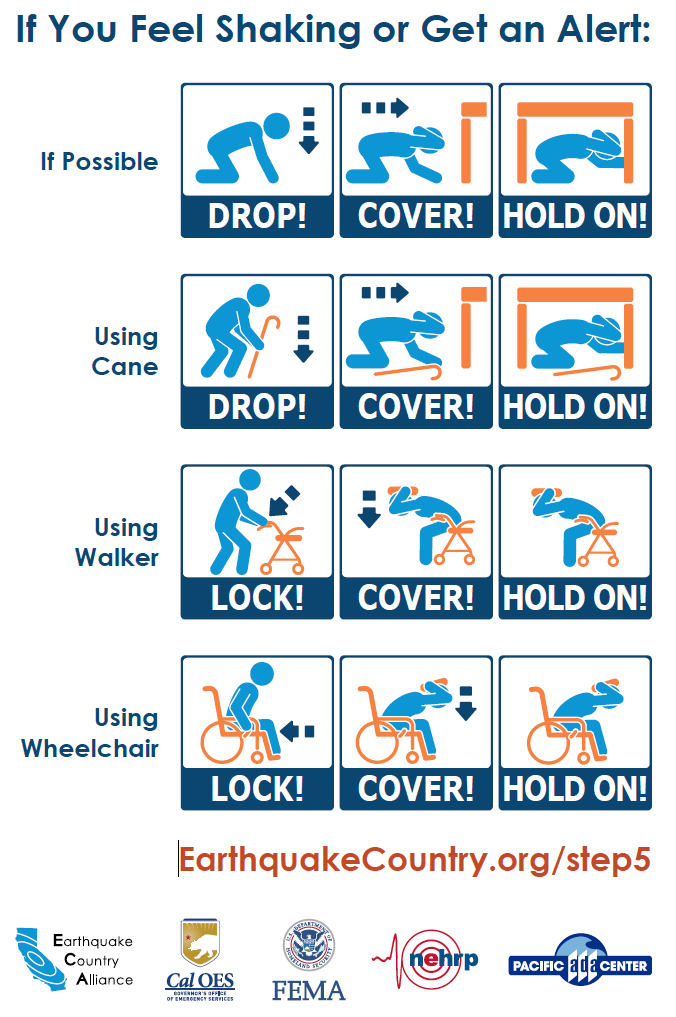
Decoding "Drop, Cover, Hold On"
The official word, the golden rule, is a mantra we all know by heart:
"Drop, Cover, and Hold On."
It sounds so simple, so effective. But let's imagine it for a second. The ground is literally trying to throw you off your feet. "Drop" suddenly feels less like a controlled maneuver and more like "stumble dramatically."
Then there's "Cover." Under what, exactly? Your favorite decorative pillow? Your cat, who is also probably freaking out? The nearest sturdy desk suddenly seems miles away when your legs feel like jelly.
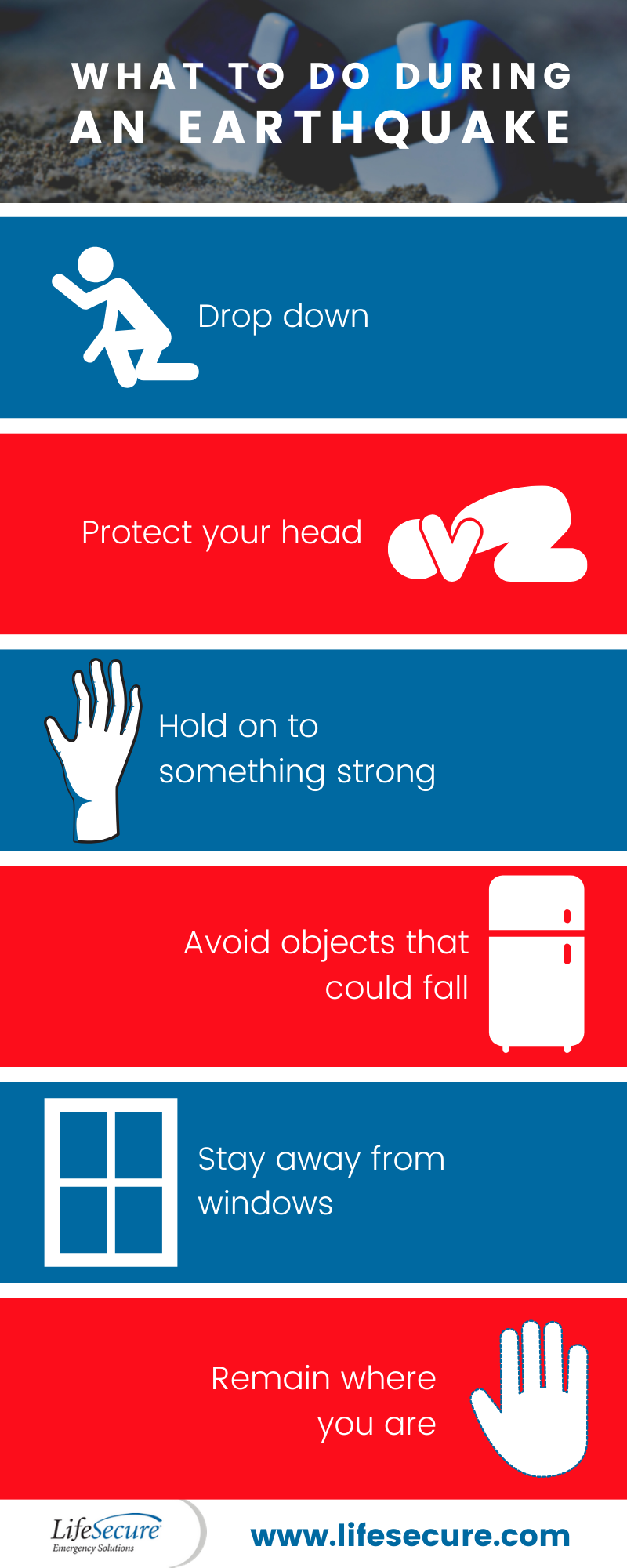
And "Hold On"? To what? Your dignity? The remote control? Everything is shaking, so finding something stable enough to cling to feels like a game of musical chairs where all the chairs are wobbly.
It's not that the advice is bad. It's just that the execution in a real-life, adrenaline-fueled tremor might not be as graceful as the emergency pamphlets suggest.
Where Are You When The Big One Hits?
Your location dramatically impacts your immediate, somewhat panicked choices. Let's explore some common scenarios with a healthy dose of humor.
At Home: My Sanctuary, Now a Shaky Mess
If you're at home, you probably feel safest. Ha! The earthquake doesn't care about your feeling safe. It cares about vibrating everything you own.
Are you in bed? Your first thought might be, "Do I just stay here? This mattress is surprisingly bouncy!" Resist the urge to use it as a trampoline. You want to avoid falling objects, not become one.
If you're in the kitchen, your priority might immediately shift from safety to "Oh no, my grandmother's china!" or "My fancy coffee maker!" Try to get under something sturdy, like a table, instead of trying to catch every falling item.
Maybe you're watching TV. Your first instinct might be to mute it because the earthquake is clearly interrupting your show. Focus on getting under a strong table or desk, away from windows and heavy furniture that might tip over.
The goal is to get away from things that can fall on you. That huge bookshelf? Suddenly your archenemy. That beautiful but very top-heavy lamp? A hazard, not a decoration.
At Work: Productivity Interrupted by Planetary Shifts
The office. A place of structure, order, and surprisingly flimsy partition walls. When an earthquake strikes here, the main challenge is usually remembering where your actual "sturdy desk" is.
Is your desk even strong enough? Or is it one of those modern, minimalist designs that might just collapse into a pile of particle board and existential dread? Best to find a doorway or an actual structural beam.
Your coworkers will have equally entertaining reactions. Some might dive under their desks with remarkable speed. Others might just stare blankly at their screens, wondering if this is a new, very aggressive IT update.
Resist the urge to grab your laptop. Your work can wait. Your personal safety is slightly more important than that email you were just about to send.

Outdoors: Just Me and the Wobbly World
Being outside feels like it should be safer, right? Wide open spaces! Except now you're wondering about power lines, falling debris from buildings, and suddenly unstable trees.
If you're in an open field, congratulations! You've found a relatively safe spot. Just stand there, looking slightly confused, and try not to trip over your own feet as the ground moves beneath you.
If you're near buildings, your instinct might be to run. Which direction? Away from the pretty brick façade that's about to shed some weight, ideally. Move to an open area, far from structures, trees, and streetlights.
And if you're in a car? Pull over! But not under an overpass or near tall buildings. Your car might offer some protection from small falling debris, but it won't save you from a collapsing bridge. Just stop, set the parking brake, and wait it out.
The Aftermath: The Shaking Stops, The Stories Begin
Then, as suddenly as it began, it stops. The world goes eerily silent. Your coffee cup is in pieces, your cat is under the couch, and you're still in that awkward crouch under the kitchen table.
Your first thought after the shaking stops isn't usually "assess structural damage." It's "is it over?!" followed quickly by "what just happened?!" and "is everyone else okay?!"
Check on others, check for injuries. Then, and only then, you can start assessing the damage to your beloved belongings. Because let's be real, a broken vase is easier to fix than a broken arm.
The real takeaway from an earthquake isn't about perfectly executing "Drop, Cover, Hold On" with Olympic precision. It's about doing the best you can in a chaotic, disorienting situation.
It's about having some semblance of a plan, even if that plan is "panic slightly, then remember to get under something sturdy." It's about knowing your immediate environment and reacting as quickly as your brain allows.
Because let's face it, when the ground starts doing the cha-cha, our brains aren't always going to jump straight to perfect protocol. Sometimes, it's just about surviving the moment with a good story and maybe a few misplaced items.
So next time the earth rumbles, embrace the initial bewilderment. Then, try to remember the official advice. Or at least, try to get away from anything that looks like it's about to fall on your head. That's a pretty good start.
Stay safe out there, you wonderfully imperfect, earthquake-surviving humans!