
What To Do Before During And After A Tsunami
Okay, picture this: You're chilling on a beach vacation, maybe building a majestic sandcastle fit for a tiny, grumpy king, or perhaps attempting (and failing spectacularly) to learn how to surf. Life is good! But what if, just maybe, Mother Nature decides to throw a bit of a tantrum in the form of a tsunami? Don't panic! Let's get tsunami-ready in a way that's actually fun...ish.
Before the Wave (Operation: Beach Bum to Tsunami Pro)
Know Your Zone (Like, REALLY Know It)
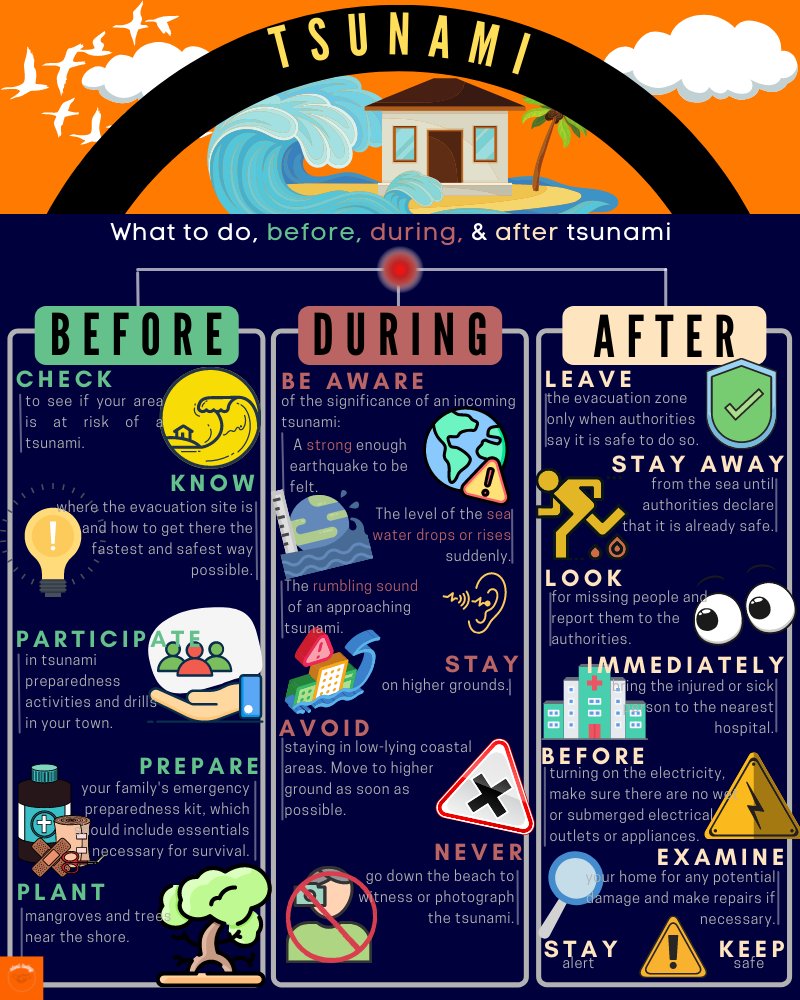
First things first, pretend you’re a secret agent on a crucial mission: figuring out if you're in a tsunami hazard zone. Check local maps and emergency plans. Think of it as learning the local gossip, but instead of juicy secrets, you're uncovering life-saving information!
Is your beachfront property actually a "potentially gonna get wet" property? Knowing this is HUGE. It's like knowing whether that cute puppy you want to adopt is actually a tiny velociraptor in disguise!
Must Read
Find out the evacuation routes. Visualize yourself sprinting to safety like you're running late for a date with Chris Hemsworth (or your celebrity crush of choice).
Assemble Your Go-Bag (Not Just Snacks, Though Snacks Are Important)
Time for some retail therapy, but with a practical twist! Create a go-bag packed with essentials. Think of it as your personal superhero kit, ready to deploy at a moment's notice.
Include things like water (because dehydration is NOT a good look), non-perishable food (energy bars, nuts, jerky – the stuff that fuels adventurers!), a first-aid kit (band-aids for those inevitable paper cuts from all the important documents), a flashlight (so you can see where you're going when the power goes out), and a weather radio (to stay informed, duh!). Don't forget extra batteries!
And yes, a comfort item is allowed. Maybe a tiny, adorable stuffed animal or a photo of your pet dressed in a ridiculously embarrassing outfit. Just make sure it fits!
Practice Makes Perfect (Tsunami Drill Olympics!)
Okay, this is where the fun really begins (sort of)! Practice your evacuation plan with your family or travel buddies. Treat it like a game – who can reach the designated safe zone the fastest?
Time yourselves, award silly prizes (bragging rights are always a good motivator!), and make sure everyone knows the route. It's like a scavenger hunt, but with higher stakes (and hopefully no actual wave!).
Remember, practice makes perfect. You don't want to be fumbling around like a confused penguin when the real deal hits.
During the Wave (Channel Your Inner Action Hero)
The Earth Shakes, What Do You Do? (Besides Scream)
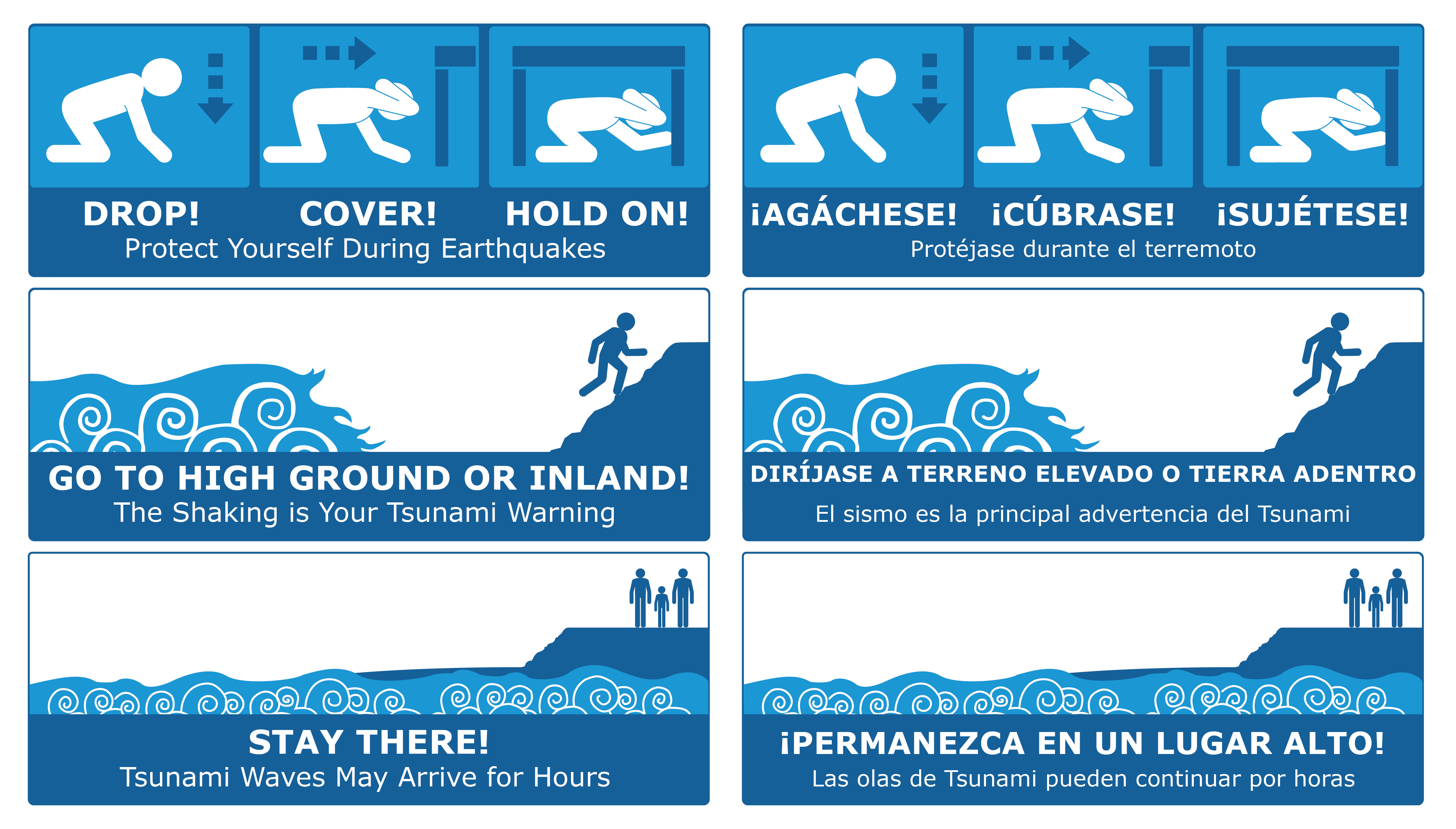
Earthquake? Big one? Get thee to higher ground! Seriously, don't stick around to admire the wobbly lamps.
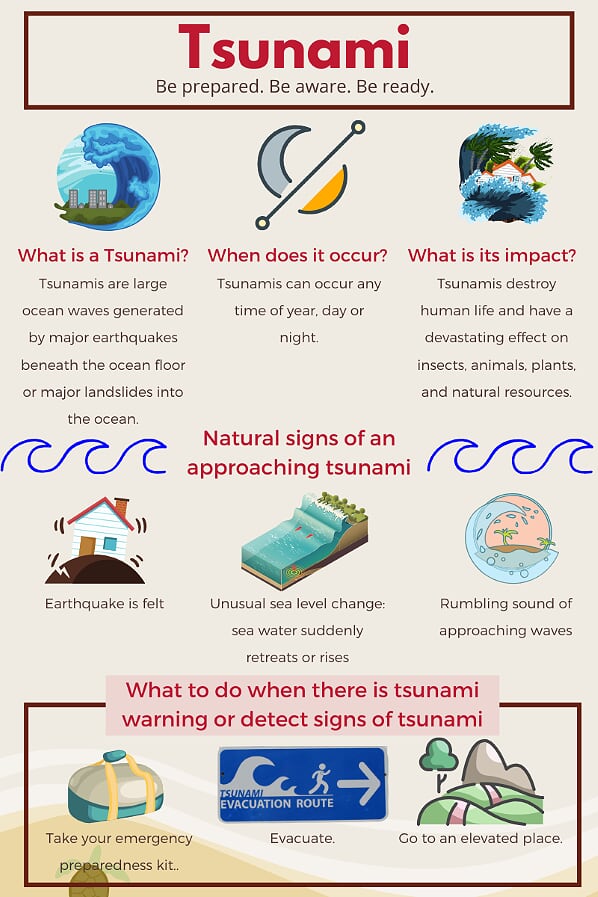
A strong earthquake near the coast is a natural tsunami warning. It's nature's way of saying, "Get out! Now!"
Even if you don't feel an earthquake but you are at the beach and the water suddenly recedes unusually far, exposing a huge expanse of seabed... RUN! Don't stick around and collect seashells. Just. Run.
Heed the Warnings (Seriously, They're Not Kidding)
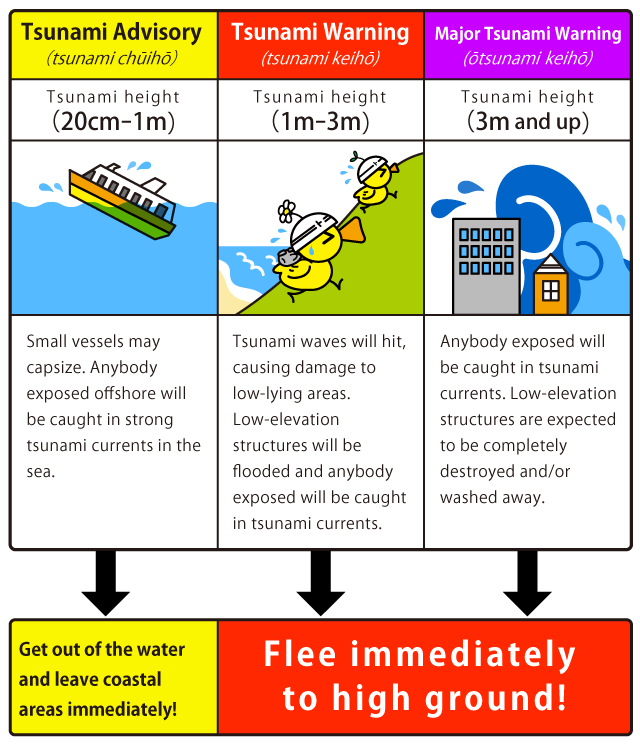
Pay attention to official tsunami warnings issued by authorities. These aren't suggestions, they're orders! Listen to the radio, TV, or your smartphone (if you have signal).

Evacuate immediately to higher ground or inland. Don't wait to see if it's "just a little wave." Tsunami's aren't exactly known for their politeness.
If you hear a loud roar coming from the ocean, like a freight train or a jet engine, that’s another sign of a tsunami. Again, get to higher ground ASAP!
If You Can't Evacuate (Plan B: Desperate Measures!)
Okay, let's say you're trapped. Evacuation isn't possible. Don't panic! Find the highest point you can. A sturdy building, a tall tree (if you're feeling particularly adventurous and have amazing climbing skills), anything to get you above the surge.
Hold on tight! This is where your inner superhero comes in handy. Channel your inner Spiderman and cling for dear life!
Stay there until the danger has passed and you receive official confirmation that it's safe to return. Don't assume the first wave is the only one. Tsunami's often come in a series of waves, and the later ones can be even bigger.
After the Wave (Recovery Time... And Maybe Some Sandcastle Reconstruction)
Safety First (Still!)
Once the tsunami has passed, don't rush back to the coast. There might be debris, downed power lines, and other hazards lurking. Think of it as an obstacle course you definitely don't want to participate in.
Wait for official clearance from authorities before returning to your home or vacation rental. They know what they're doing (hopefully!).
Continue to monitor radio and television broadcasts for updated information and instructions.
Help Others (Be a Hero!)
If you're able, help those who are injured or in need of assistance. Offer support to your neighbors and community.
Tsunamis can be devastating, but they also bring out the best in people. Be that best person! Volunteer your time, donate to relief efforts, or simply offer a kind word to someone who's going through a tough time.
Remember, we're all in this together. Lending a hand is always the right thing to do.
Document the Damage (For Insurance Purposes, of Course)
Take photos and videos of any damage to your property. This will be helpful when filing insurance claims. Plus, you can show off your "survived a tsunami" photos to your friends. (Okay, maybe not the "show off" part, but documenting is important!)
Contact your insurance company as soon as possible to begin the claims process.
Be patient. Dealing with insurance companies can be a marathon, not a sprint. But you've survived a tsunami, so you can handle anything!
Rebuild and Recover (Sandcastle 2.0!)
The recovery process can be long and challenging, but it's important to stay positive and focus on rebuilding.
Seek emotional support if you need it. Talking to friends, family, or a mental health professional can help you cope with the trauma of the event.
And finally, once the dust settles, get back to enjoying the beach! Build a new sandcastle, try surfing again (maybe with a bit more success this time!), and appreciate the beauty and power of the ocean. Just remember to stay informed and be prepared for the next time Mother Nature decides to get a little wild. After all, being prepared is the best way to enjoy those beach vibes, tsunami or no tsunami!