
What To Clean Aluminum With
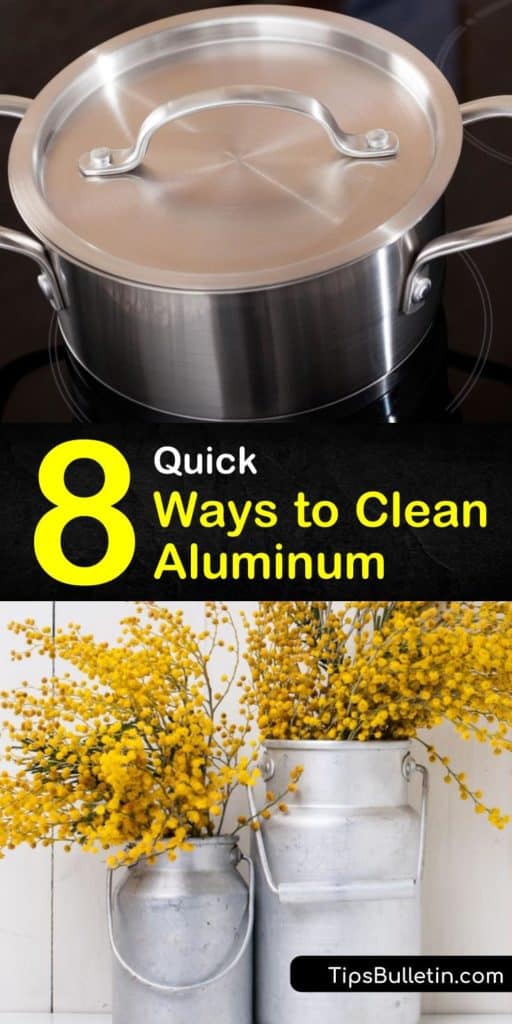
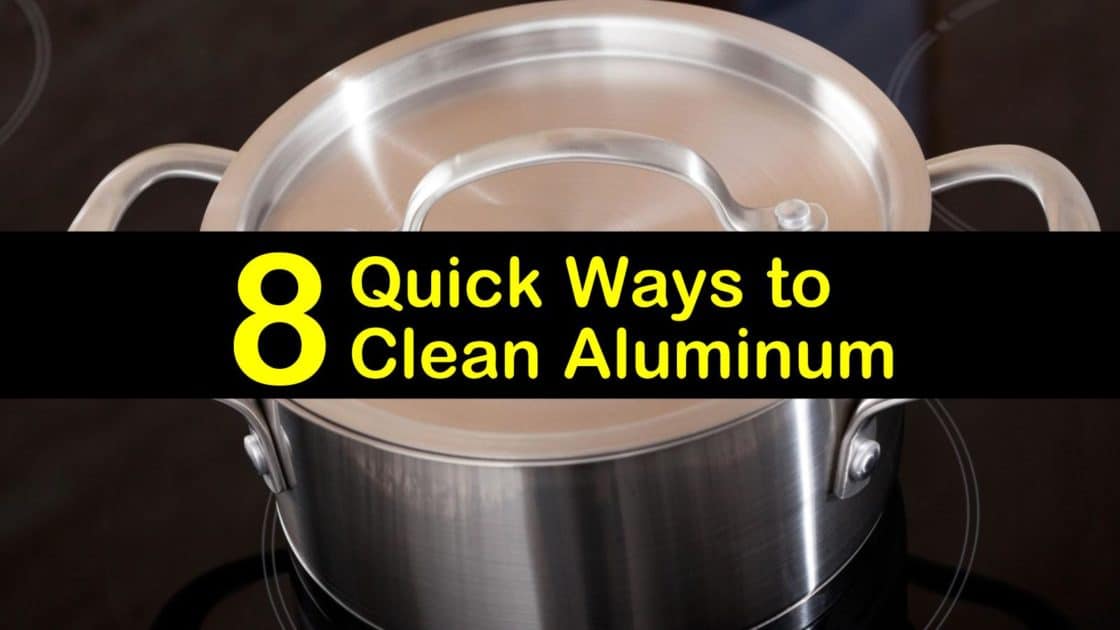
Alright, gather 'round, folks, and pull up a virtual chair. Imagine we’re at my favorite café, the one with the slightly sticky tables but amazing coffee. Today, we're tackling a topic that has vexed humanity since someone first thought, "Hey, this shiny, lightweight metal would make a great pot/pan/lawn chair!" Yes, we’re talking about how to clean aluminum. Because let’s be real, aluminum can go from gleaming hero to dull, grumpy villain faster than you can say, "Is that a permanent stain or just… oxidation?"
First off, let’s get one thing straight: aluminum is a bit of a diva. It’s light, it’s strong, it conducts heat like a champ, but when it comes to cleaning, it's got feelings. It oxidizes, it darkens, it gets splotchy. It's like the angsty teenager of the metal world. And if you treat it badly? Oh, it will let you know. Usually by turning into a sad, grey, chalky mess. Nobody wants that.
The "Please Don't Do This" List (Unless You Enjoy Sad Aluminum)
Before we get to the good stuff, let’s talk about what not to do. Because sometimes, knowing what to avoid is half the battle. Or in this case, a whole lot of scrubbing you won't have to do later.
Must Read
Bleach is the Enemy! Seriously, if you even think about bringing bleach near your aluminum, a tiny, furious aluminum gnome will sneak into your house and dull all your cutlery. Bleach is highly corrosive to aluminum, leading to pitting and discoloration. You’ll end up with a piece of metal that looks like it lost a fight with a very determined acid monster. So, put that bottle down. Slowly.
Abrasive Scrubbers Are a No-Go. I know, I know. That tough, crusty bit of pasta stuck to your aluminum pot is practically begging for a steel wool attack. Resist the urge! Aluminum is relatively soft. Those abrasive scrubbers, even the "gentle" ones, can scratch the surface, creating tiny valleys for gunk to hide in and making future cleaning even harder. It’s a vicious cycle, people. Embrace the sponge!
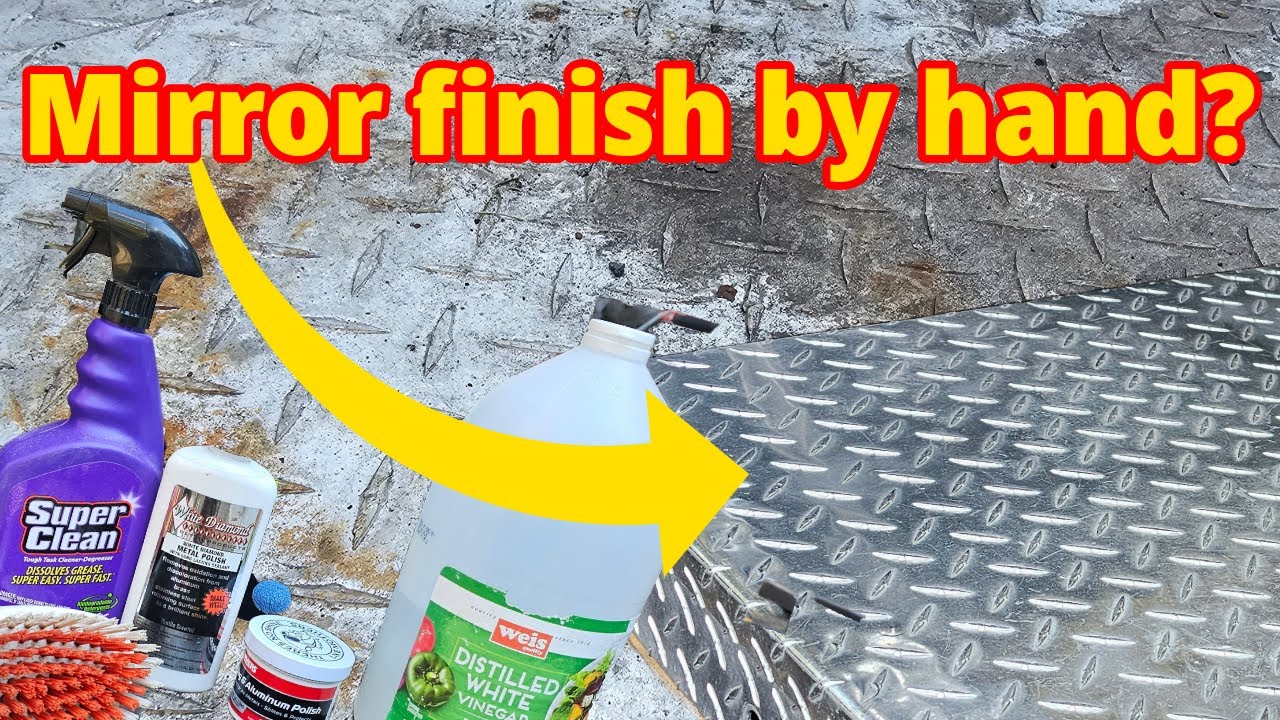
Dishwashers? Tread Carefully. While some anodized aluminum items can handle a dishwasher, many cannot. The harsh detergents and high heat can cause discoloration, pitting, and that dreaded chalky finish. If you’re not sure, play it safe. Hand wash. Your aluminum will thank you with a long, happy life of non-dullness.
The "Aha! So That's How You Do It!" List (The Good Stuff)
Alright, now that we’ve scared off the cleaning demons, let’s talk about the heroes. The gentle giants. The knights in shining (aluminum-safe) armor. These are your go-to solutions for bringing that sparkle back.
Good Old Soap and Water (The Obvious, But Essential!)
For everyday grime, spills, and general "oops, I cooked something" messes, a little warm water and dish soap is often all you need. Use a soft cloth or sponge. Don’t underestimate the power of regular, gentle cleaning. It prevents the big, scary build-up later. It's like brushing your teeth – simple, effective, and prevents cavities (or in this case, irreversible oxidation).
Vinegar: The Kitchen Powerhouse
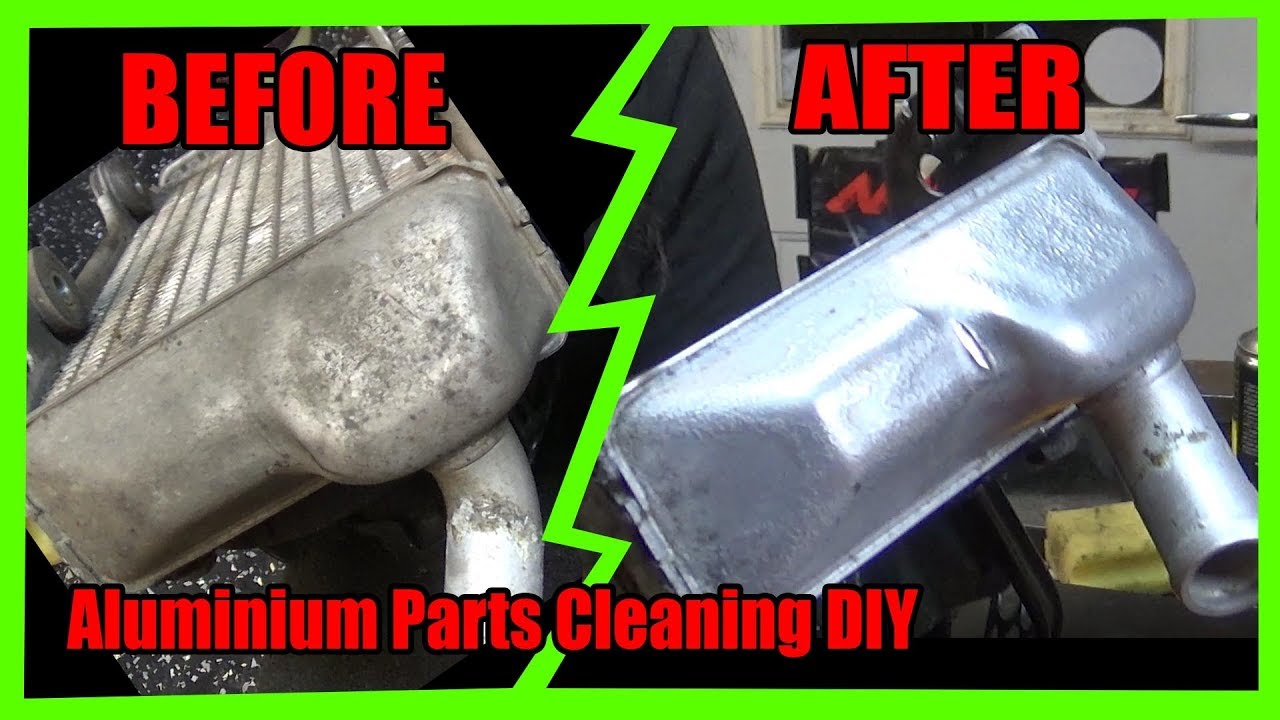
Ah, vinegar! Is there anything it can't do? Probably teach a cat to fetch, but that’s beside the point. For slightly tougher stains or that dull, oxidized film, a 50/50 mixture of white vinegar and water works wonders. Just apply it with a soft cloth, let it sit for a few minutes (no more than 10-15, remember aluminum’s feelings!), then rinse thoroughly and dry. The mild acidity helps break down that unsightly oxidation. Plus, your kitchen will smell faintly of salad dressing. Bonus?
The Surprising Cream of Tartar
This one always gets a raised eyebrow, but trust me, it’s like a secret weapon. Cream of tartar, often found lurking in your spice cabinet, is fantastic for bringing back shine, especially to pots and pans that have darkened from boiling water. Make a paste with cream of tartar and a little water. Rub it onto the aluminum, let it sit for about 5-10 minutes, then scrub gently with a soft sponge. Rinse well and admire the results. It's like magic, but edible… ish.
Lemon Juice: Zesty Cleaner!
Similar to vinegar, lemon juice’s natural acidity makes it a fantastic, natural cleaner for aluminum. You can mix it with water, or for stubborn spots, cut a lemon in half, sprinkle some salt on the cut side (fine salt, please, we're not trying to exfoliate the aluminum), and use it as a scrubber. The salt adds a very gentle abrasive quality, while the lemon juice works its magic. Just rinse thoroughly afterwards!
Baking Soda Paste: The Gentle Scrubber
Got some caked-on bits that need a little more oomph than just soap? Enter baking soda! Make a paste with baking soda and a bit of water. Apply it to the stubborn area and let it sit for a few minutes. Then, gently rub with a soft sponge or cloth. The baking soda provides a mild abrasive action without scratching the aluminum. It's like a spa treatment for your metal – gentle exfoliation and brightening!
A Quick Note on Anodized Aluminum
You might have noticed some of your aluminum items look different – perhaps a colored finish, or just a harder, more uniform surface. That’s probably anodized aluminum. This process creates a protective oxide layer, making it more durable and corrosion-resistant. For anodized aluminum, stick to the gentlest methods: soap and water, or mild vinegar/water solutions. Avoid abrasive cleaners and harsh acids, as they can damage that lovely protective layer.
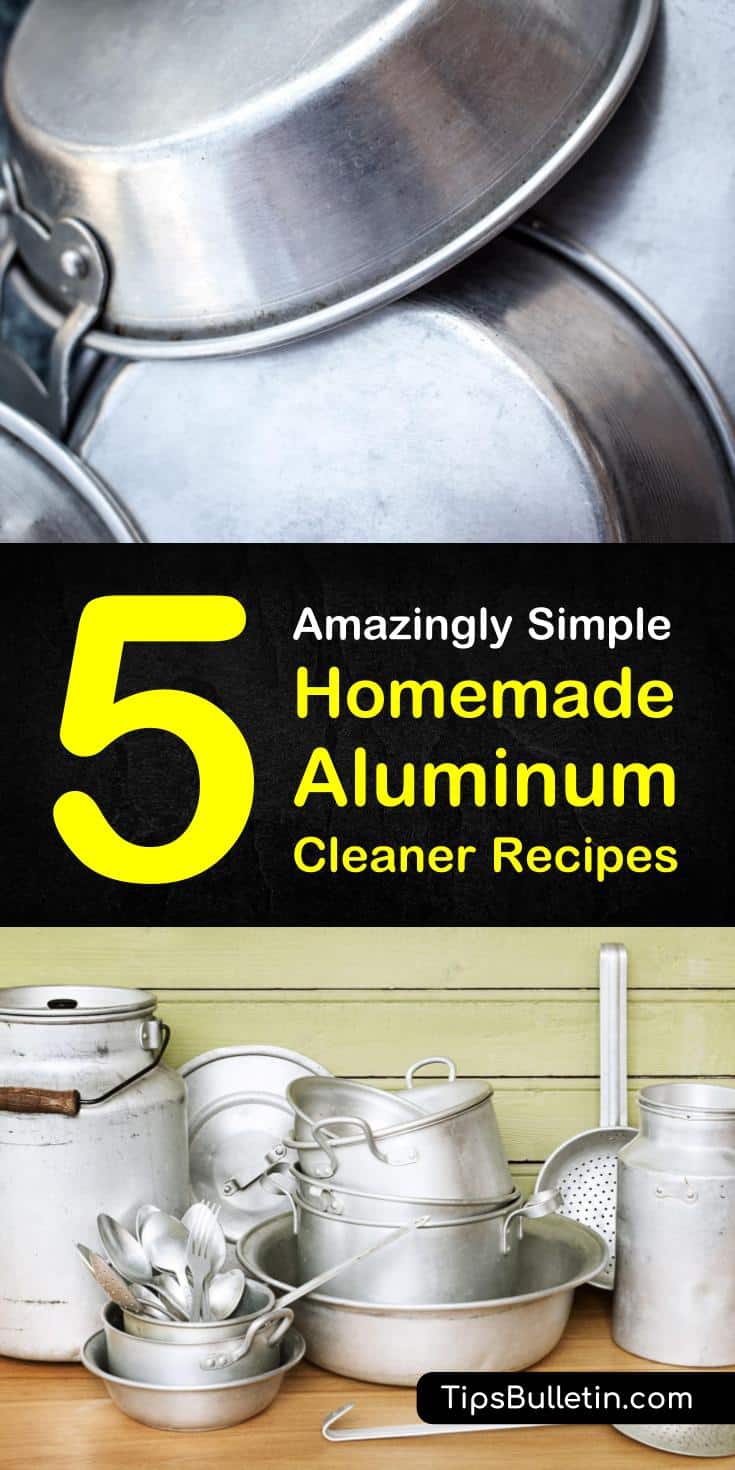
Finishing Touches and Prevention
No matter what method you use, always, always rinse thoroughly. Any residue left behind can cause more discoloration. And most importantly, dry your aluminum immediately after washing. Air drying can leave water spots, especially if you have hard water. A soft cloth and a quick wipe will keep it sparkling.
To prevent future headaches, wipe up spills on aluminum surfaces as soon as they happen. Don't let acidic foods like tomatoes or citrus sit on aluminum for too long. Treat your aluminum with a little TLC, and it will serve you faithfully without throwing an oxidized tantrum.
So there you have it! Cleaning aluminum doesn't have to be a battle royale. With a few simple, everyday ingredients and a dash of patience, you can keep your aluminum looking sharp, shiny, and ready for its next starring role in your kitchen or backyard. Now, who's up for another coffee?