
What The Name Of The Hurricane
What's in a Name? The Secret Life of Hurricane Monikers
Have you ever wondered why hurricanes get names like Franklin or Idalia? It might seem a bit arbitrary, like someone just pulls names out of a hat. But actually, there's a fascinating, sometimes quirky, history behind how these powerful storms get their unforgettable monikers.
It's a story that blends practicality with a dash of human ingenuity. And surprisingly, it’s quite fun to uncover the journey from saints to surnames!
The Earliest Labels: Saintly Storms
Way back in the day, before fancy tracking technology, people living in hurricane-prone regions had a simpler, more spiritual way of identifying these massive weather events. They'd often name a hurricane after the saint's day on which it made landfall.
Must Read
Imagine a storm hitting on Saint Anne's Day; it simply became Hurricane Saint Anne. This method, while deeply traditional, certainly had its limitations, especially if two big storms arrived on the same saintly day!
It was a charmingly old-school approach, giving each storm a touch of local lore. But as communication improved, a more systematic method was clearly needed to avoid confusion.
Military Alpha: When Naming Got Practical (But a Little Dull)
Fast forward to World War II. Military meteorologists were tasked with tracking these colossal storms across vast oceans. They needed a clearer way to refer to them than just "the big storm near Florida."
So, they started using the phonetic alphabet, those familiar words like Able, Baker, and Charlie. This was incredibly practical for pilots and sailors, cutting through radio static and wartime chaos.
However, while efficient, it wasn't exactly catchy. Imagine a headline proclaiming, "Hurricane Item heads for the coast!" It lacked a certain... dramatic flair, don't you think?
Ladies First: A New Era of Names
The mid-20th century saw a significant shift. In 1953, the United States decided to switch things up, opting for an all-female list of names for Atlantic hurricanes. This wasn't some grand statement about femininity or power.
The main reason was simple: they found that short, distinctive names were easier to remember and communicate. Using personal names just clicked with people.
For decades, storms like Audrey, Dora, and Betsy became household names, often evoking a strange mix of fear and familiarity. It was a unique period where every major weather event seemed to carry a woman’s name.
Before long, hearing a storm called Hazel or Carla felt oddly personal. It helped people distinguish one devastating event from another, making warnings clearer.
Why Names At All? The Clarity Quest
Beyond tradition and convenience, there's a serious purpose to all this naming. Imagine if meteorologists just referred to storms by their latitude and longitude. "Tropical Cyclone 18 degrees North, 75 degrees West" doesn't exactly grab your attention or make for easy discussion.
A simple name like Hurricane Katrina or Hurricane Andrew immediately provides a concise, memorable identifier. This clarity is crucial for issuing warnings, communicating forecasts to the public, and helping emergency services coordinate.
It helps avoid confusion when multiple storms are brewing at the same time, ensuring everyone knows exactly which tempest they need to prepare for. Names save lives, making complex information easier to digest.
Equality Arrives: When Male Names Joined the Party
As the 1970s rolled around, many felt that exclusively using female names was a bit outdated and, well, unequal. There was a growing push for gender parity in all areas of life, and hurricane naming was no exception.
Activists and meteorologists alike advocated for a change. And so, in 1979, male names were officially introduced into the Atlantic hurricane naming lists. Finally, storms like Bob and David could share the spotlight.
This was a heartwarming moment for many, reflecting a broader societal shift. Now, each year's list features a balanced mix of both male and female names, alternating alphabetically.
The Six-Year Dance: Our Rotating Roster of Rogues
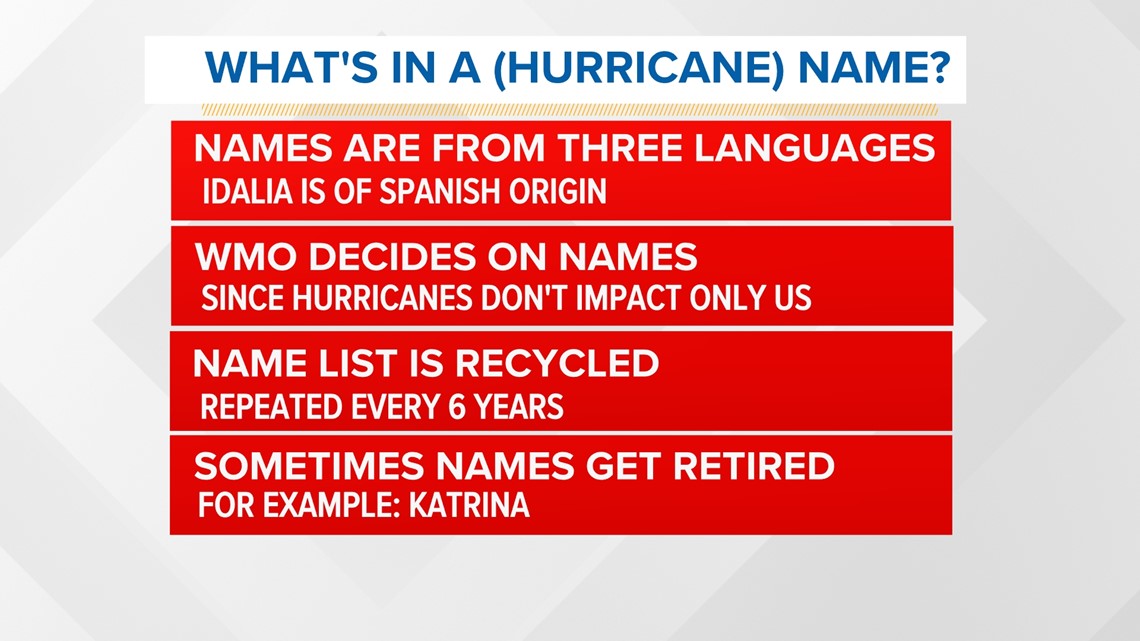
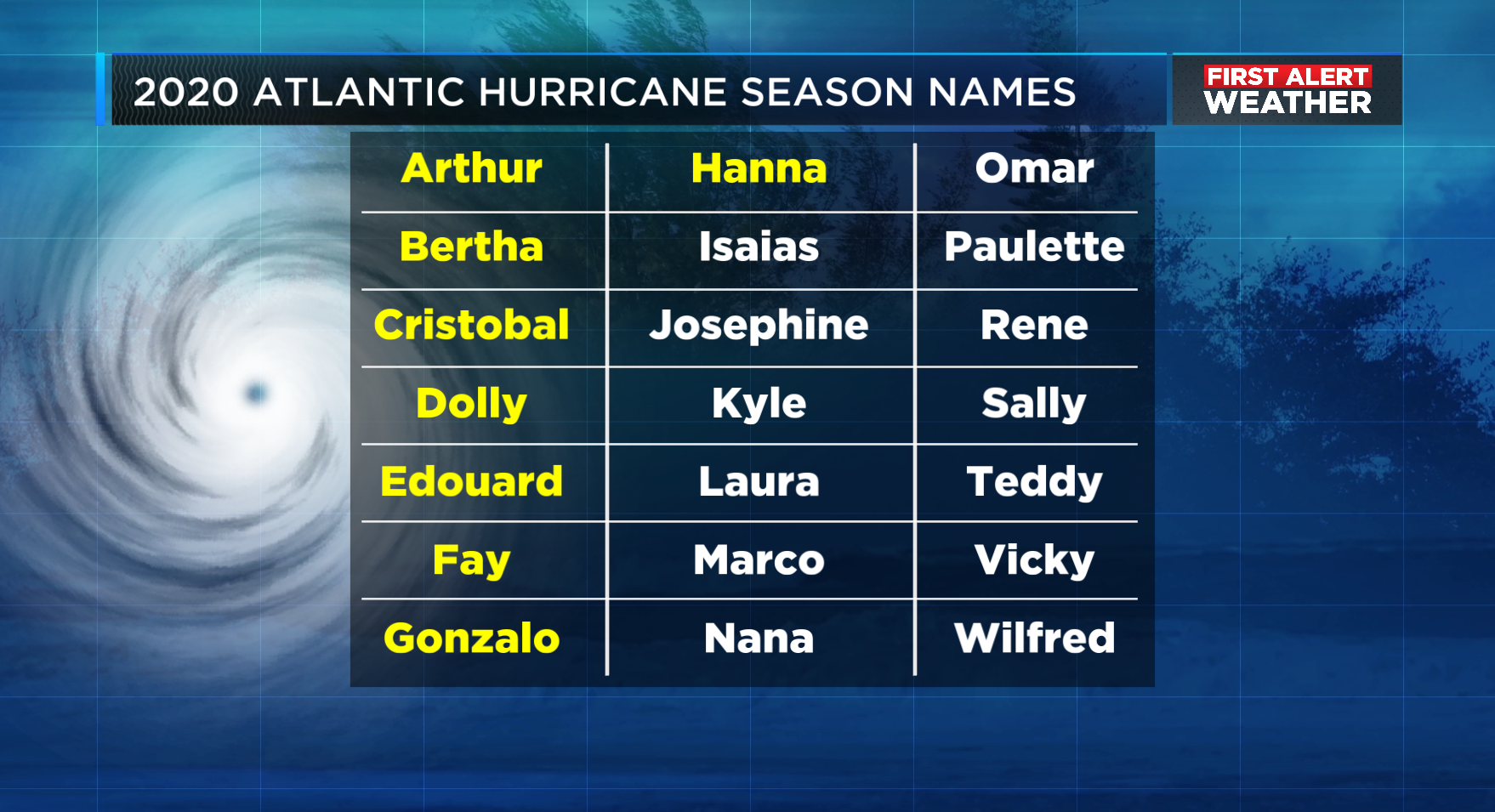
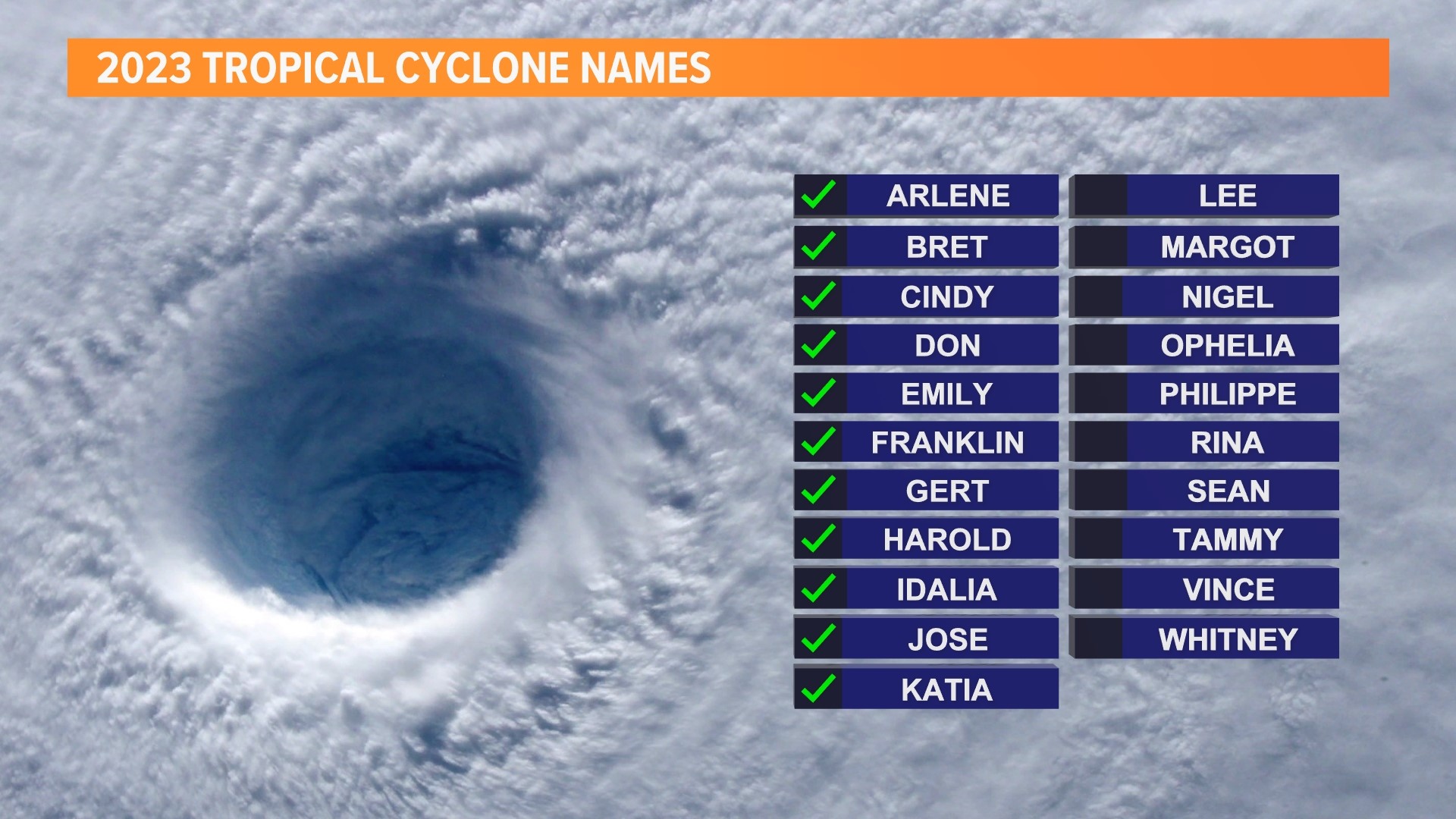
Here's one of the most surprising twists: the hurricane names aren't endless! For the Atlantic basin, there are six different lists of names, and they simply rotate every six years.
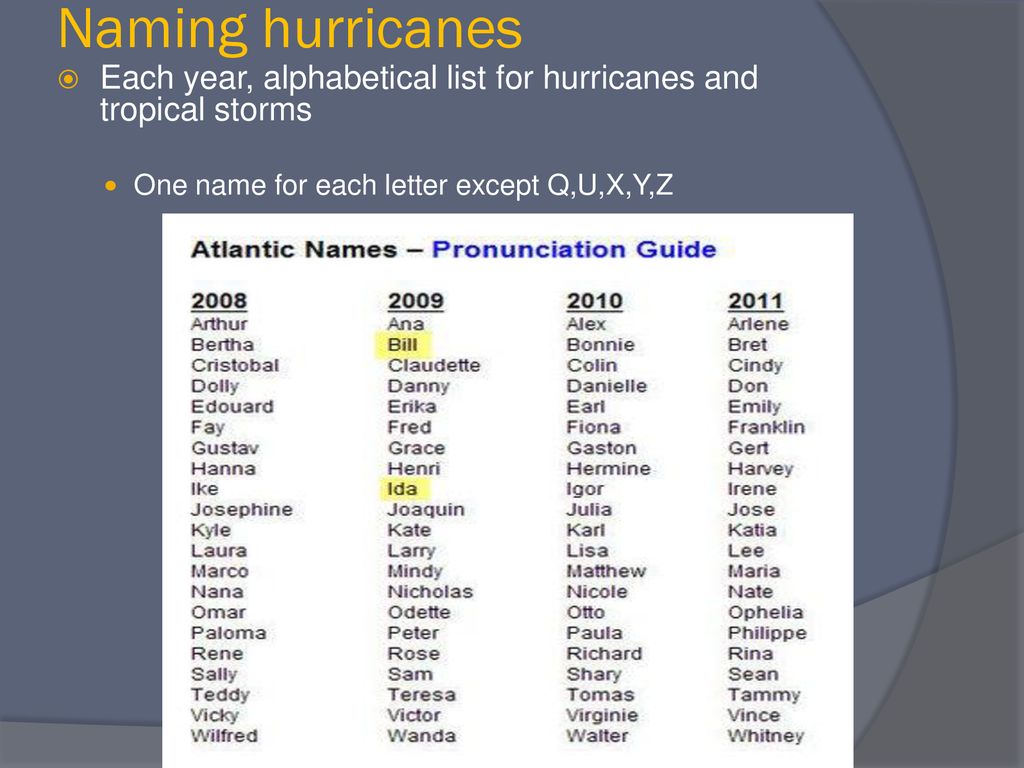
This means that the list of names used in 2023, for example, will be used again in 2029. So, if you remember a particular storm from a few years back, you might see its name's turn come around again eventually!
Each list contains 21 names, from A to W, skipping letters that are less common like Q, U, X, Y, Z, because there aren't enough easy-to-remember names for them.
The Retirement Protocol: When a Name is Too Famous
Not every name gets to make a comeback, though. Some storms are so devastating, so impactful, that their names are permanently retired from the rotation. This is a practice born out of respect for the victims and communities affected.
Imagine trying to talk about a new storm named Katrina or Sandy; it would cause immense confusion and bring back painful memories. So, names like these are solemnly removed from future lists.
A committee from the World Meteorological Organization makes this decision, ensuring that truly destructive storms are given a unique, somber place in history. It's a powerful way to acknowledge their gravity.
Beyond Our Shores: Global Naming Adventures
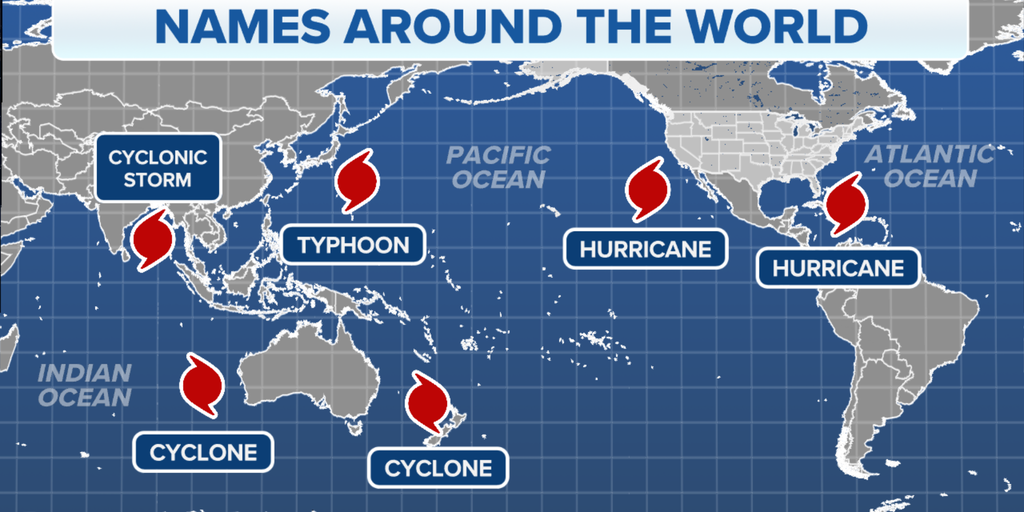
While we in the Atlantic basin use our familiar A-Z lists, other parts of the world have their own fascinating naming systems. The Pacific, for instance, uses names contributed by various countries in the region.
These names can be incredibly diverse and imaginative, ranging from flowers and animals to mythological figures and even local delicacies. You might encounter a typhoon named Koinu (meaning "puppy" in Japanese) or Malakas (meaning "strong" in Tagalog).
It adds another layer of cultural richness to the story of storm naming, showcasing how different societies grapple with the power of nature. Each region's approach is unique and reflects its heritage.
The Power of a Name: Giving Character to the Chaos
Ultimately, giving a name to a hurricane does more than just aid communication. It lends a distinct personality to an otherwise abstract force of nature. It makes the storm feel more tangible, more real.
We talk about a hurricane as "she" or "he," almost as if it's an individual making its way across the ocean. This personification helps us grasp its presence and prepare for its arrival.
From saintly beginnings to modern-day rotational lists, the journey of hurricane names is a testament to human ingenuity. It's a blend of history, practicality, and a touch of surprising human character, all wrapped up in a simple, memorable word.
So, the next time you hear a hurricane's name on the news, take a moment to appreciate the rich, evolving story behind it. It’s more than just a label; it’s a piece of our shared history with the awesome power of nature.