
What Tensile Strength Does An Er70s6 Wire Have
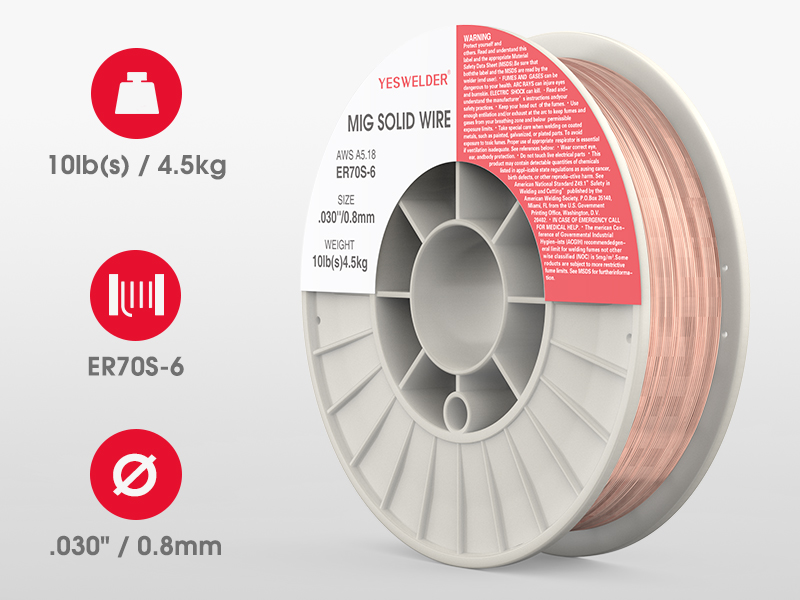
Ever wondered about the strength behind that beautiful weld holding your bike together, or the intricate scrollwork on your garden gate? Chances are, ER70S-6 welding wire played a starring role.
The Unsung Hero: ER70S-6
This wire, often called "E-R-Seventy-Ess-Six" by those in the know, is a workhorse in the welding world. But what makes it so popular, and just how strong is it?
Think of it as the duct tape of metal joining – versatile, reliable, and surprisingly strong. It’s the go-to choice for everything from automotive repairs to structural steel fabrication.
Must Read
Strength in Numbers (and Letters)
Let's decode that cryptic name, ER70S-6. The "ER" stands for "Electrode Rod," indicating it's used for welding.
The "70" is where things get interesting. It hints at the wire’s tensile strength, or how much pulling force it can withstand before snapping.
That "70" represents 70,000 pounds per square inch (psi). So, ER70S-6 has a tensile strength of 70,000 psi.
Imagine a tiny square, one inch by one inch, made of this welded material. It could theoretically hold 70,000 pounds before giving way. That's like holding roughly 35 small cars, hanging just from a single square inch!
Putting That Strength into Perspective
Of course, that's a theoretical maximum. Real-world welding involves many variables that can affect the final strength.
But it gives you an idea of the inherent strength of the material. This is before you factor in the skill of the welder, the type of weld, and the base metals being joined.
Think about the Eiffel Tower, a symbol of human ingenuity. While other welding wires could have been used, the underlying math to make that a successful structure still required the proper knowledge and materials.
Beyond the Numbers: Why We Love ER70S-6
Tensile strength isn't everything. ER70S-6 has other qualities that make it a winner.
It's known for producing clean, smooth welds. This makes it a favorite for projects where appearance matters, like decorative metalwork or automotive body repairs.
Its deoxidizers help prevent porosity (tiny holes) in the weld, leading to stronger and more reliable joints.
It is relatively easy to use, and is very forgiving for welders of all skill levels.
The Welder's Secret Weapon
Many welders have a favorite brand or type of ER70S-6 wire. Some swear by a particular diameter for certain types of welds.
It's like a chef having a favorite knife or a painter preferring a specific brush. It's about finding the tool that feels right and produces the best results.
The subtle differences in wire composition and manufacturing can impact weld quality, ease of use, and overall performance.
A Tale of Two Welds: The Unexpected
Once, a welder friend of mine, let's call him Bob, was working on a custom motorcycle frame. He was using ER70S-6 to join some thick steel tubing. He wanted the welding joint to be nearly seamless.
Bob meticulously prepped the metal, carefully set his welding parameters, and laid down a series of beautiful, consistent welds. It should have been perfect, Bob thought.
However, during a stress test, one of the welds cracked, not at the weld itself, but in the base metal next to it! The ER70S-6 weld was stronger than the surrounding steel.
This wasn't a failure of the weld, but a testament to its strength. It also highlighted the importance of considering the properties of all materials involved.

From Fences to Fine Art: The Versatility of ER70S-6
You'll find ER70S-6 in countless applications. It's used to build bridges, skyscrapers, and pipelines.
It also shows up in more mundane (but equally important) things like farm equipment, trailers, and storage tanks.
Artists and sculptors use ER70S-6 to create intricate metal sculptures and functional art pieces. Its clean welding characteristics and strength make it ideal for these delicate projects.
The Future of Welding
Welding technology continues to evolve, with new wires and techniques constantly being developed. But ER70S-6 remains a staple in the industry.
Its combination of strength, versatility, and ease of use ensures its place in welding shops around the world for years to come.
It may not be the most glamorous material, but ER70S-6 quietly and reliably holds our world together, one weld at a time. This makes it one of the most important materials in the world.
A Toast to Tensile Strength
So, the next time you see a welded structure, take a moment to appreciate the strength and ingenuity behind it.
Remember the humble ER70S-6 welding wire, the unsung hero that helps make it all possible. Consider the art of the weld.
And remember, that seemingly simple wire packs a punch, capable of withstanding tremendous forces. It's a testament to the power of engineering and the skill of the welder.
Beyond the Basics: Factors Affecting Weld Strength
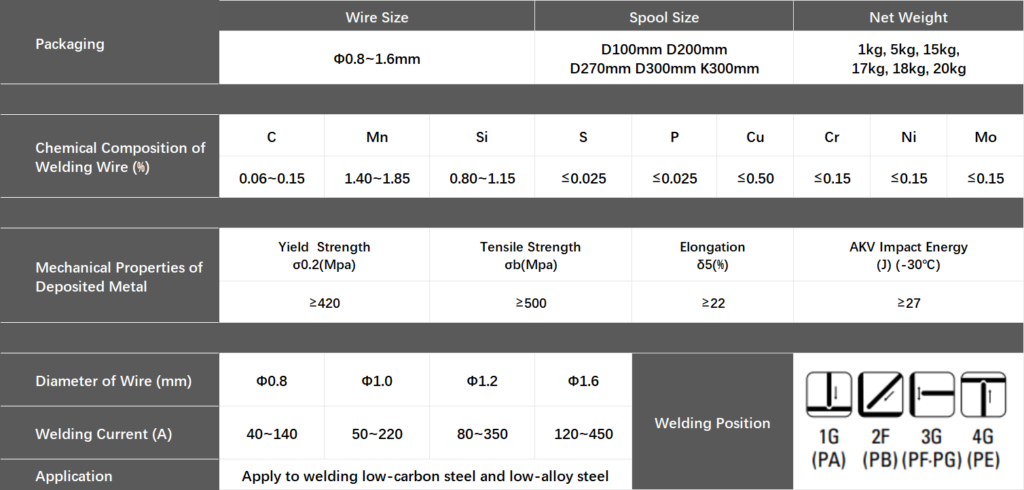
While ER70S-6 boasts a tensile strength of 70,000 psi, remember that's a benchmark. The actual strength of a weld depends on several crucial factors.
First, the skill of the welder is paramount. A poorly executed weld, even with the best materials, will be weak.
Proper joint preparation is also crucial. Clean, properly aligned surfaces ensure good fusion between the weld metal and the base metal.
Welding parameters, such as voltage, amperage, and travel speed, must be carefully controlled. Incorrect settings can lead to porosity, incomplete fusion, and other defects.
The type of welding process used (MIG, TIG, etc.) can also influence weld strength. Each process has its own advantages and limitations.
The base metal being welded plays a role. Different metals have different strengths and weldability characteristics.
The Importance of Proper Technique
Even the best ER70S-6 wire won't compensate for poor welding technique. Proper technique involves everything from holding the welding torch at the correct angle to maintaining a consistent travel speed.
A good welder will also know how to properly clean the weld area between passes, removing slag and other contaminants that could weaken the joint.
Practice, patience, and attention to detail are essential for achieving strong, reliable welds.

Choosing the Right Wire Diameter
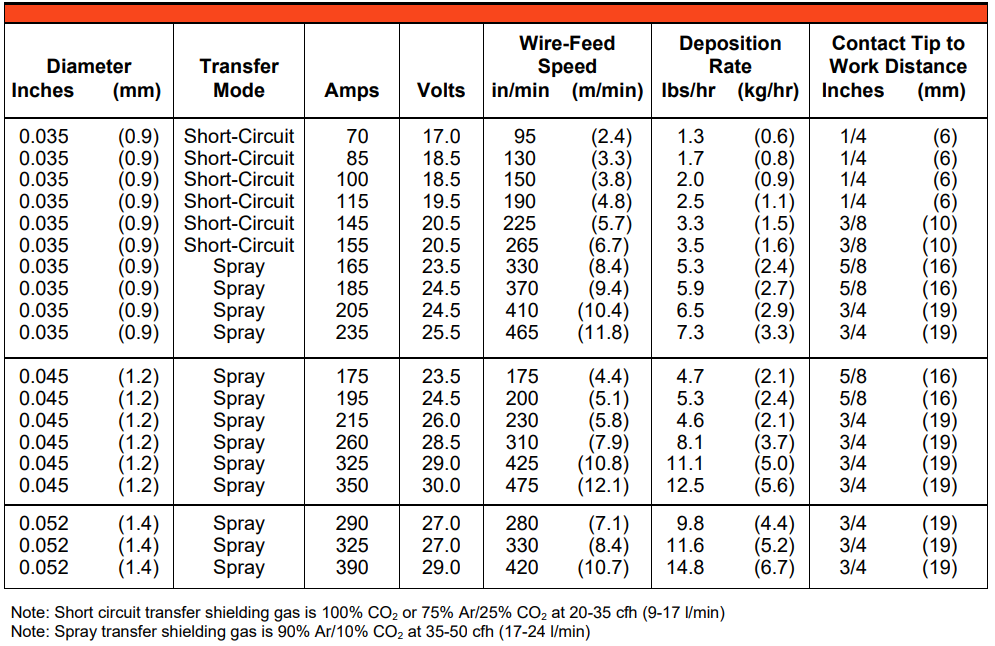
ER70S-6 wire comes in various diameters, each suited for different applications. Thicker wire is generally used for welding thicker materials, while thinner wire is better for thinner materials.
Choosing the wrong wire diameter can lead to problems such as excessive heat input, burn-through, or lack of penetration.
Consulting a welding chart or experienced welder can help you select the appropriate wire diameter for your project.
Storing ER70S-6 Properly
Like any welding consumable, ER70S-6 wire should be stored properly to prevent moisture contamination. Moisture can lead to porosity and other weld defects.
Store the wire in a dry, protected environment, away from humidity and extreme temperatures. Reseal any opened containers to prevent moisture absorption.
Proper storage will help ensure that your ER70S-6 wire performs optimally and produces strong, reliable welds.
ER70S-6: A Reliable Choice
Despite the many factors that can influence weld strength, ER70S-6 remains a reliable and versatile choice for a wide range of welding applications.
Its consistent performance, ease of use, and readily available make it a favorite among welders of all skill levels.
So, whether you're building a skyscraper or repairing a fence, you can trust ER70S-6 to deliver the strength and reliability you need.