
What Temperature To Keep House In Winter When Away
/GettyImages-533592578-57e681ce3df78c690fb17ca4.jpg)
Picture this: you're jetting off to a tropical paradise, trading snow boots for sandals and dreaming of sunshine. But a tiny, nagging voice whispers in the back of your mind: “What about the house?”
Specifically, what temperature should you set that thermostat to before you leave your cozy castle to fend for itself against the winter's icy grip?
The Great Thermostat Debate
The question of the perfect winter-away temperature is one that has sparked more family debates than which movie to watch on Christmas Eve. Grandma swears by 60°F (15°C), while your tech-savvy cousin insists on controlling it all from his phone, fluctuating between 55°F (13°C) and 62°F (17°C) depending on the polar bear forecast.
Must Read
The truth? There's no single right answer, but there’s a sweet spot that balances protecting your pipes and preventing a polar bear convention from taking over your living room.
The Pipes' Plea: Avoid the Freeze
First and foremost, think of your pipes. Those poor metal veins coursing through your house are particularly vulnerable to the cold. When water freezes, it expands, and expanding water in a pipe is a recipe for a flooded nightmare. Imagine coming home to a mini indoor lake – not exactly the welcome back you envisioned.
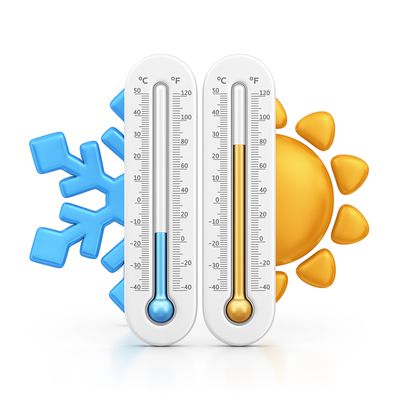
To avoid this icy apocalypse, never let your house temperature drop below 55°F (13°C). This is the generally agreed-upon minimum to keep your plumbing happy and flowing, even when you're miles away sipping Mai Tais.
Think of it as a little act of kindness for your house while you're off enjoying yourself. Plus, avoiding burst pipes is a pretty great gift to yourself, too!
The Great Thaw: Cost Savings and Comfort
Okay, so we've established that 55°F (13°C) is the safe zone. But what about the other end of the spectrum? Could you crank it up a bit to, say, 65°F (18°C) so it's a bit cozier when you return?
While tempting, remember this: heating an empty house is like baking a cake that no one will eat. It’s a waste of energy and money! Every degree you raise the thermostat, you’re essentially throwing dollar bills into the furnace.
Consider this your opportunity to embrace your inner Scrooge (in a responsible way, of course). A lower temperature means a lower energy bill, which means more money for your next vacation!
The Return of the Heat: A Gradual Awakening
Now, let's talk about the grand homecoming. You've landed, wrestled your luggage, and you're finally standing on your doorstep, key in hand, ready to bask in the warmth of your… slightly chilly… house.
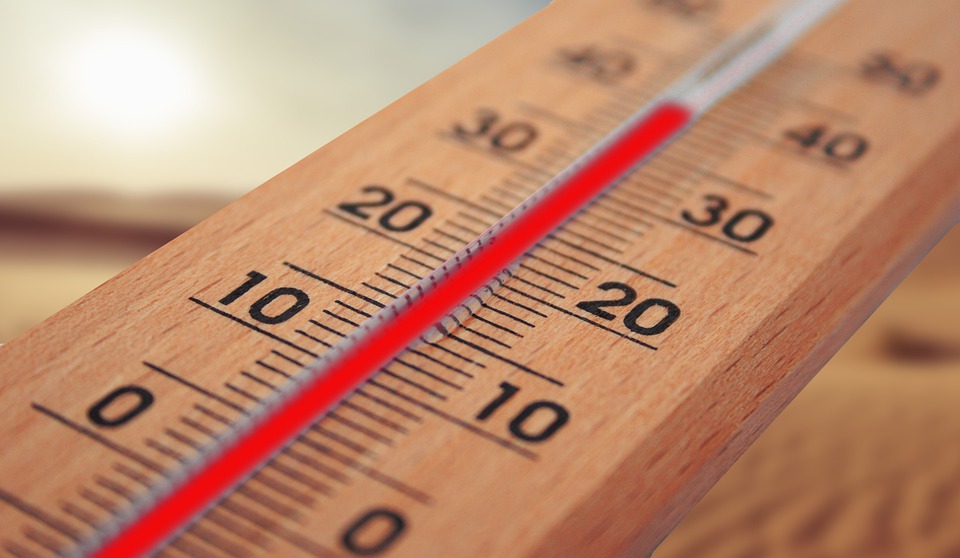
Don’t crank the thermostat all the way up to 75°F (24°C) the second you walk in! Your heating system will struggle to catch up, wasting energy and potentially causing strain. Instead, gradually increase the temperature a few degrees at a time.
This gives your house time to adjust, prevents pipes from expanding too quickly, and saves you from a shocking energy bill. Think of it as gently waking your home from its winter slumber.
Smart Solutions for the Savvy Traveler
In today's connected world, there's a whole arsenal of tech to help you manage your home's temperature from afar. Enter the smart thermostat, your digital butler for climate control.
With a smart thermostat, you can monitor and adjust your house's temperature from your phone, tablet, or even your watch. You can set schedules, receive alerts if the temperature dips too low, and even pre-heat the house before you arrive home.
Think of it as having a tiny, responsible you living inside your thermostat, making sure everything is running smoothly. It's peace of mind in the palm of your hand.
Beyond the Thermostat: Extra Precautions
Setting the thermostat is crucial, but it's not the only way to protect your house from the winter blues. Consider these additional steps to safeguard your home while you're away.
First, insulate those pipes! Especially those located in unheated areas like basements and crawl spaces. Pipe insulation is cheap, easy to install, and can make a huge difference in preventing freezing.
Next, open cabinet doors under sinks. This allows warmer air to circulate around the pipes, further reducing the risk of freezing. Finally, ask a trusted neighbor or friend to check on your house periodically. They can spot any potential problems, like a leaky roof or a suspiciously low temperature, before they escalate.
The Heartwarming Element: Coming Home
After your amazing trip, you pull into your driveway. You might be a little nervous about what awaits you inside. Did you set the thermostat correctly? Did the pipes survive?

But then, as you open the door, you’re greeted by a home that is safe, sound, and only slightly cooler than usual. The small precautions you took made all the difference. It’s a testament to your responsibility and care for the place you call home.
Coming home is always the best part of any trip. Now, with a little preparation and a smart thermostat, that welcome can be even warmer.
Final Thoughts
So, what's the magic number? For most people, setting the thermostat to 55°F (13°C) to 60°F (15°C) is the sweet spot. It's warm enough to protect your pipes, but cool enough to save you money on your energy bill.
Remember, this is just a general guideline. Consider your specific circumstances, like the age and insulation of your house, and adjust accordingly.
Ultimately, the goal is to find a balance between protecting your home, saving money, and ensuring a comfortable homecoming. Now go, enjoy your vacation, and rest easy knowing your house is in good hands (or rather, good thermostats!).