
What Temperature Should The Heat Be On In The Winter
/GettyImages-533592578-57e681ce3df78c690fb17ca4.jpg)
Ah, winter. The season of cozy sweaters, hot cocoa, and… the eternal thermostat battle! What’s the perfect temperature to set your heat? It's a question that has plagued households for generations.
The Great Indoor Temperature Debate
Everyone has an opinion. There's the "blast it to 80 degrees and pretend it's summer" camp. Then you have the "62 degrees is perfectly reasonable, just wear a parka indoors" crew. Neither is wrong, or are they?
Finding that sweet spot isn't just about comfort. It's about saving money, keeping your pipes from freezing, and maybe even keeping the peace in your home! It's a complex dance of personal preference and practical considerations.
Must Read
Why is This Such a Hot Topic (Pun Intended!)?
Honestly, it's fascinating! This seemingly simple question of temperature unlocks a whole world of… well, let's just say strong feelings. Think about it: Are you a blanket hog? Or do you sleep with one leg out of the covers to stay cool?
We're all different. Our bodies, our metabolisms, our tolerance for cold – it all plays a part. No wonder the thermostat becomes a miniature battlefield! But don't worry, we're here to navigate you through the icy terrain of winter heating.
The Goldilocks Zone: Not Too Hot, Not Too Cold
So, what's the magic number? While there's no one-size-fits-all answer, many experts recommend a daytime temperature of around 68 degrees Fahrenheit (20 degrees Celsius). At night, you can dial it back a bit.
Turning down the thermostat while you sleep can save you money on your heating bill. A lot of people find a temperature in the low to mid 60s (Fahrenheit) perfectly comfortable under a blanket or two.
Consider it a cozy little hibernation setting! Plus, cooler temperatures are often better for sleep. Who doesn't want a better night's rest? It is a win-win situation for your wallet and your sleep.
Factors to Consider: More Than Just a Number
Before you go punching numbers into your thermostat, let's think about a few things. Are there elderly people or infants in the house? They might need a warmer environment. Proper heating can affect the health.
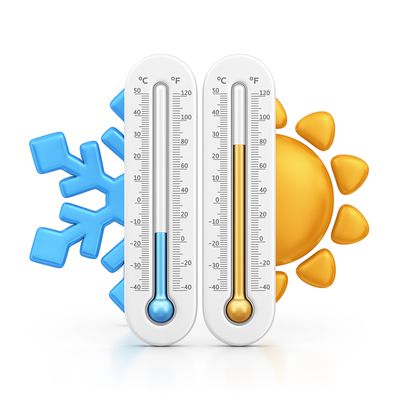
How well-insulated is your home? A drafty house will lose heat faster, making it harder to maintain a comfortable temperature. Check windows and doors for leaks; seal them up!
Do you have pets? Fluffy dogs might be perfectly happy in a cooler house. Hairless cats, on the other hand, might stage a protest if it dips below 75. They require a warmer environment.
Smart Thermostats: The Tech-Savvy Solution
Enter the smart thermostat! These little gadgets are game-changers. You can program them to automatically adjust the temperature based on your schedule and preferences.
They can even learn your habits over time. Imagine a thermostat that knows you like it warmer in the morning and cooler at night. It's like having a personal temperature butler!
Plus, many smart thermostats can be controlled remotely from your smartphone. So, you can crank up the heat before you get home on a cold day. Hello, instant cozy-ness!
Embrace the Layers: The Fashionable Approach
Don't underestimate the power of a good old-fashioned sweater! Instead of blasting the heat, try layering up. Think fuzzy socks, comfy cardigans, and maybe even a stylish hat.
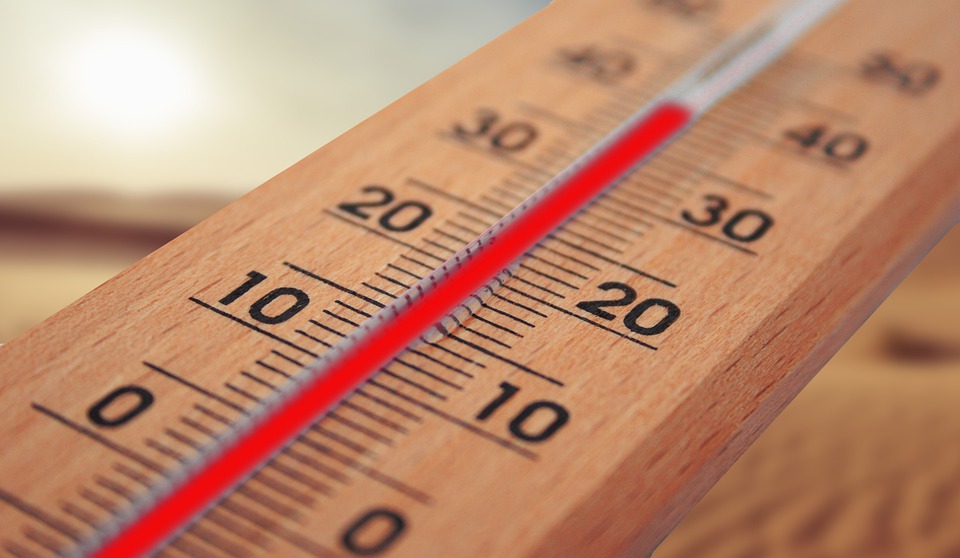
It's a fun way to express your personal style and stay warm at the same time. Plus, you'll save money on your heating bill. This is better than boosting the temperature too high.
Consider a heated blanket for ultimate coziness! Curling up on the couch with a good book and a heated blanket is one of life's simple pleasures.
The Social Implications: Thermostat Etiquette
Living with roommates or family members? The thermostat can become a major source of conflict. Communication is key!
Try to find a compromise that works for everyone. Maybe agree on a set of rules, or take turns adjusting the temperature. A little bit of understanding can go a long way.
If all else fails, maybe a friendly thermostat mediation session is in order! The goal is to find a temperature that everyone can agree to, or at least tolerate.
The Unexpected Benefits of a Cooler Home
Did you know that sleeping in a cooler room can actually improve your health? Studies have shown that it can help you sleep better and even boost your metabolism.
Plus, cooler temperatures can help prevent the growth of mold and mildew. A warmer home, even though it may feel more comfortable, can contribute to this type of growth.
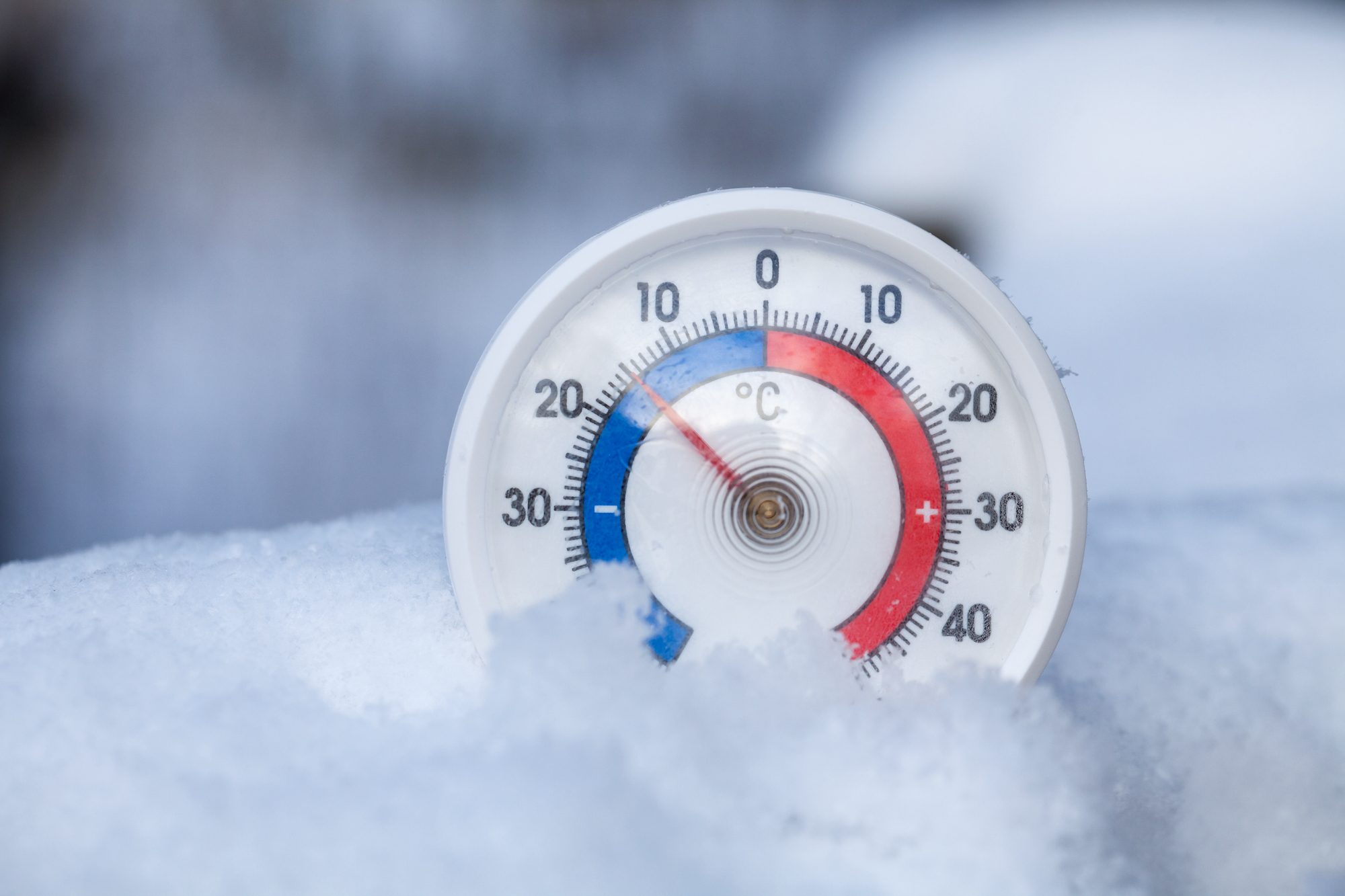
So, turning down the thermostat a few degrees might actually be good for you in the long run! It may not seem like much, but it can make a big difference.
Don't Forget About Humidity: The Silent Comfort Killer
Temperature isn't the only factor that affects how comfortable you feel. Humidity plays a big role too. Dry air can make you feel colder, even if the temperature is relatively high.
Consider using a humidifier to add moisture to the air. This can help you feel warmer and more comfortable, without having to crank up the heat. Humidifiers are inexpensive and easy to use.
A comfortable humidity level is typically between 30% and 50%. You can use a hygrometer to measure the humidity in your home. This is a great way to stay comfortable.
Seasonal Adjustments: Tweak as Needed
The ideal temperature might change depending on the time of year. You might want to set it a little higher in the dead of winter and a little lower in the early spring.
Pay attention to how you feel and adjust the thermostat accordingly. There's no shame in experimenting to find what works best for you. You can always adjust as needed.

The key is to find a balance between comfort and energy efficiency. A balance can save you money. Saving money can contribute to a happier winter season.
Beyond the Thermostat: Other Ways to Stay Warm
There are plenty of other ways to stay warm without relying solely on your heating system. Close curtains and blinds at night to trap heat. Open them during the day to let in sunlight.
Make sure your windows and doors are properly sealed to prevent drafts. Use draft stoppers under doors and caulk around windows. This can make a huge difference.
Consider investing in a space heater for rooms you use frequently. Just be sure to use it safely and follow the manufacturer's instructions. Stay safe this winter season!
The Bottom Line: Find Your Cozy Happy Place
Ultimately, the best temperature for your home is the one that makes you feel comfortable and happy. Don't be afraid to experiment and find what works best for you and your family.
Consider all the factors we've discussed, from insulation to humidity to personal preferences. Remember, it's all about finding that sweet spot where you can relax and enjoy the winter season.
So, go forth and conquer the thermostat! May your winter be warm, cozy, and full of happy memories. Here's to a warm, happy winter season ahead!