
What Temperature Should Dehumidifier Be Set At
Let's face it, nobody loves thinking about humidity. But the truth is, many of us rely on dehumidifiers to keep our homes comfortable, healthy, and even structurally sound. Think about that musty smell that sometimes creeps into basements, or the way your windows fog up on a humid day. Dehumidifiers are the unsung heroes quietly battling these problems, making our lives just a little bit better.
So, why bother with a dehumidifier in the first place? The benefits are numerous. First and foremost, they reduce mold and mildew growth. These pesky organisms thrive in damp environments, and can trigger allergies, asthma, and other respiratory problems. By keeping humidity levels in check, you're creating a less hospitable environment for them. Beyond that, dehumidifiers can help protect your belongings. Excess moisture can damage wood furniture, warp books, and even corrode electronics. A dehumidifier can prevent these issues, saving you money and heartache in the long run.
You'll find dehumidifiers in all sorts of places. They're common in basements, where moisture often accumulates. Many people use them in bathrooms to combat the humidity generated by showers and baths. You might even find them in storage areas to protect valuable items from damage. They're even becoming more popular in entire homes, particularly in climates with high humidity.
Must Read
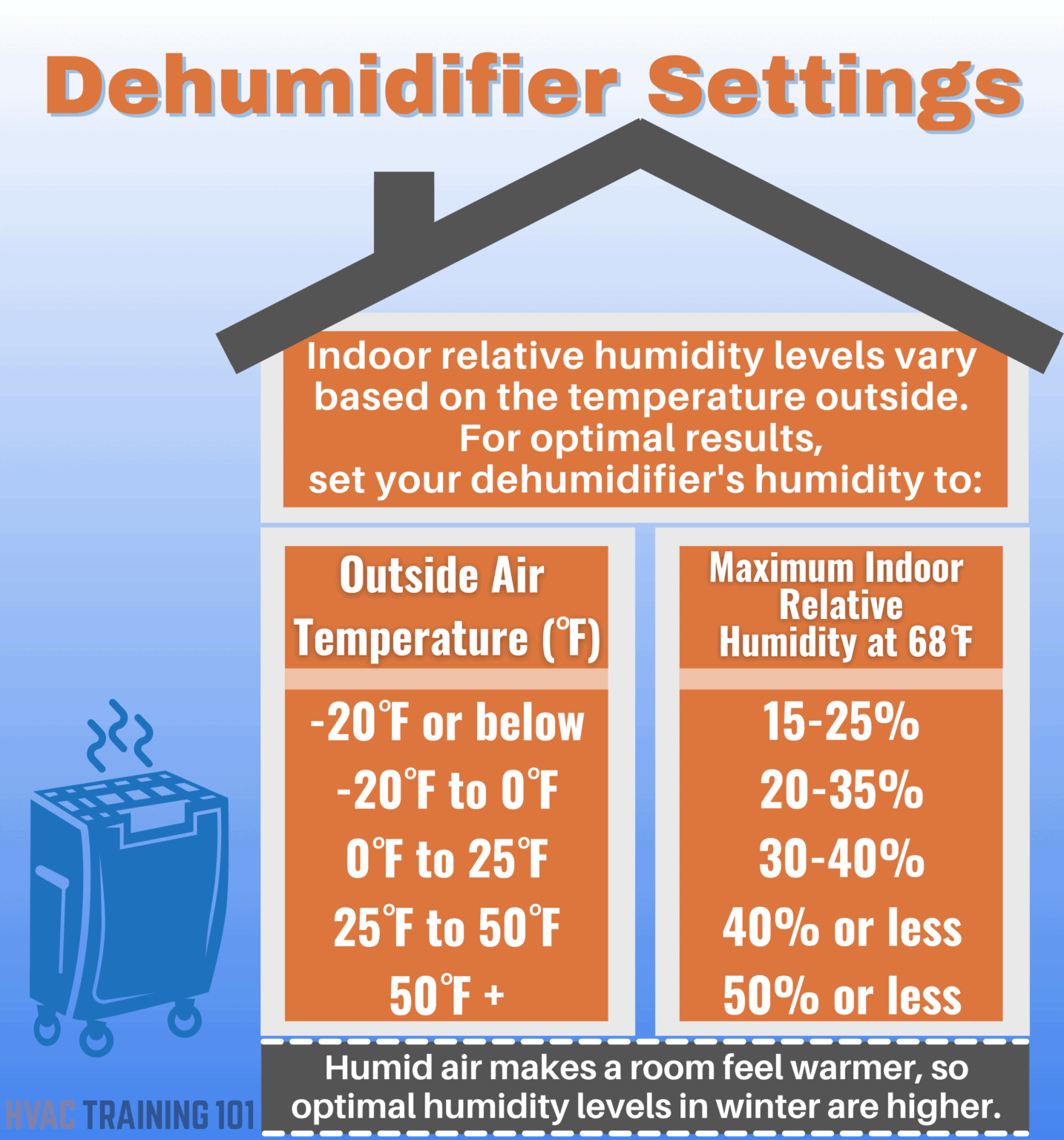
Now, for the burning question: what temperature should you set your dehumidifier at? The short answer is that you don't actually set a temperature on a dehumidifier. You set a humidity level. Think of it like this: the dehumidifier is working to remove moisture from the air, not change the air's temperature. The ideal humidity level is generally considered to be between 30% and 50%.
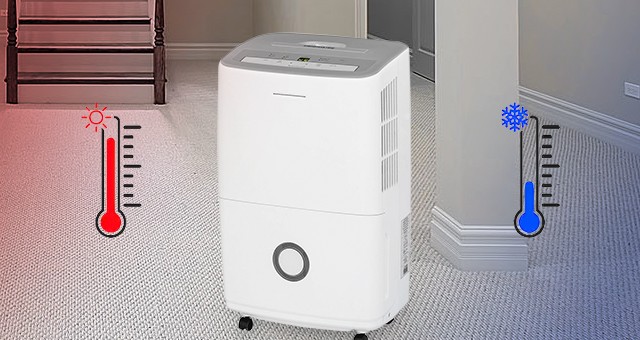
Here are some practical tips for getting the most out of your dehumidifier and maintaining optimal humidity levels:
- Start with the recommended range: Begin by setting your dehumidifier to 50%. Then, monitor your comfort levels and the humidity readings in your home (you can buy a simple hygrometer to measure humidity). If it still feels too humid, gradually lower the setting.
- Consider the season: Humidity levels naturally fluctuate throughout the year. You might need to adjust your dehumidifier setting depending on the time of year.
- Location, location, location: Place your dehumidifier in the area where humidity is highest. For basements, this is usually the lowest point. Ensure there's adequate airflow around the unit.
- Regular maintenance is key: Clean the air filter regularly to ensure optimal performance. This prevents dust and debris from clogging the unit and reducing its efficiency. Also, empty the water collection tank frequently to avoid overflow.
- Invest in a unit with a humidistat: A humidistat automatically monitors the humidity level and turns the dehumidifier on and off as needed, saving energy and maintaining a consistent humidity level.
By following these tips, you can ensure that your dehumidifier is working effectively to keep your home comfortable and healthy. So, ditch the dampness, embrace the dryness, and enjoy a more comfortable living space thanks to this powerful, often overlooked appliance.


