What Temperature Should A House Be In The Winter
Winter has arrived, and with it, the age-old debate: what's the perfect temperature to set your thermostat? Is it a balmy 75 degrees, or are you happy snuggling under a mountain of blankets at a more frugal 68? Let's dive into this cozy conundrum and find the sweet spot for your home and lifestyle.
The Goldilocks Zone: Not Too Hot, Not Too Cold
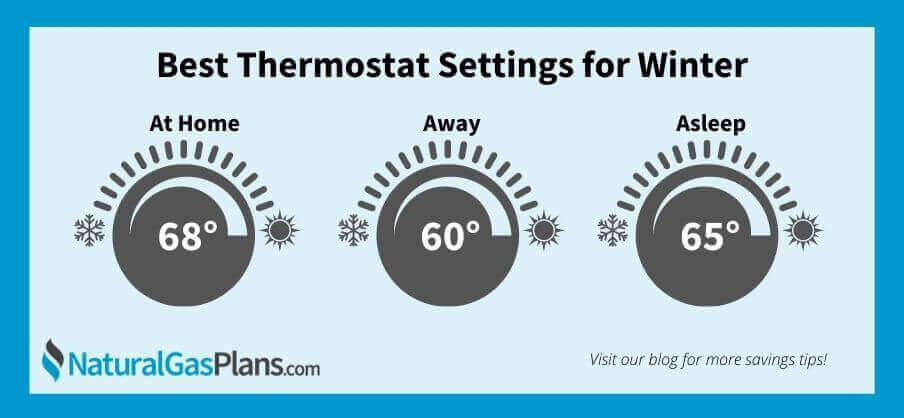
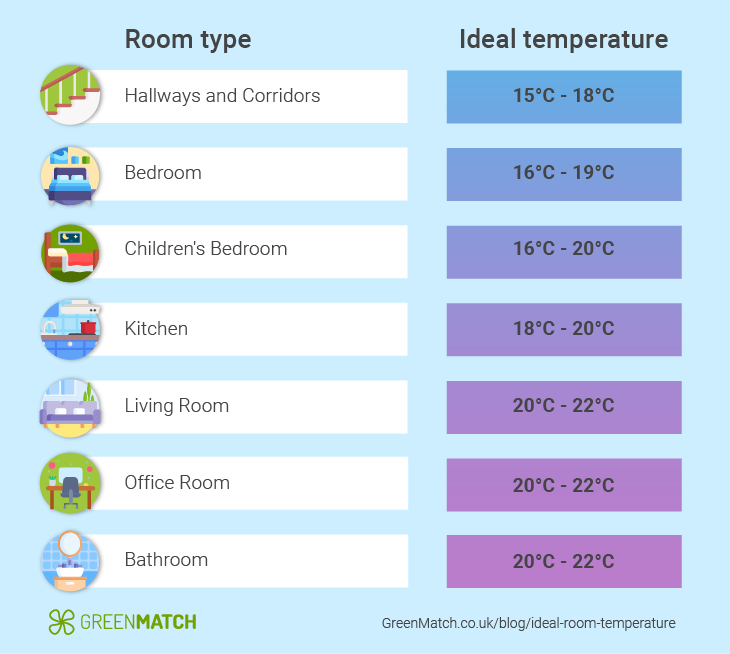
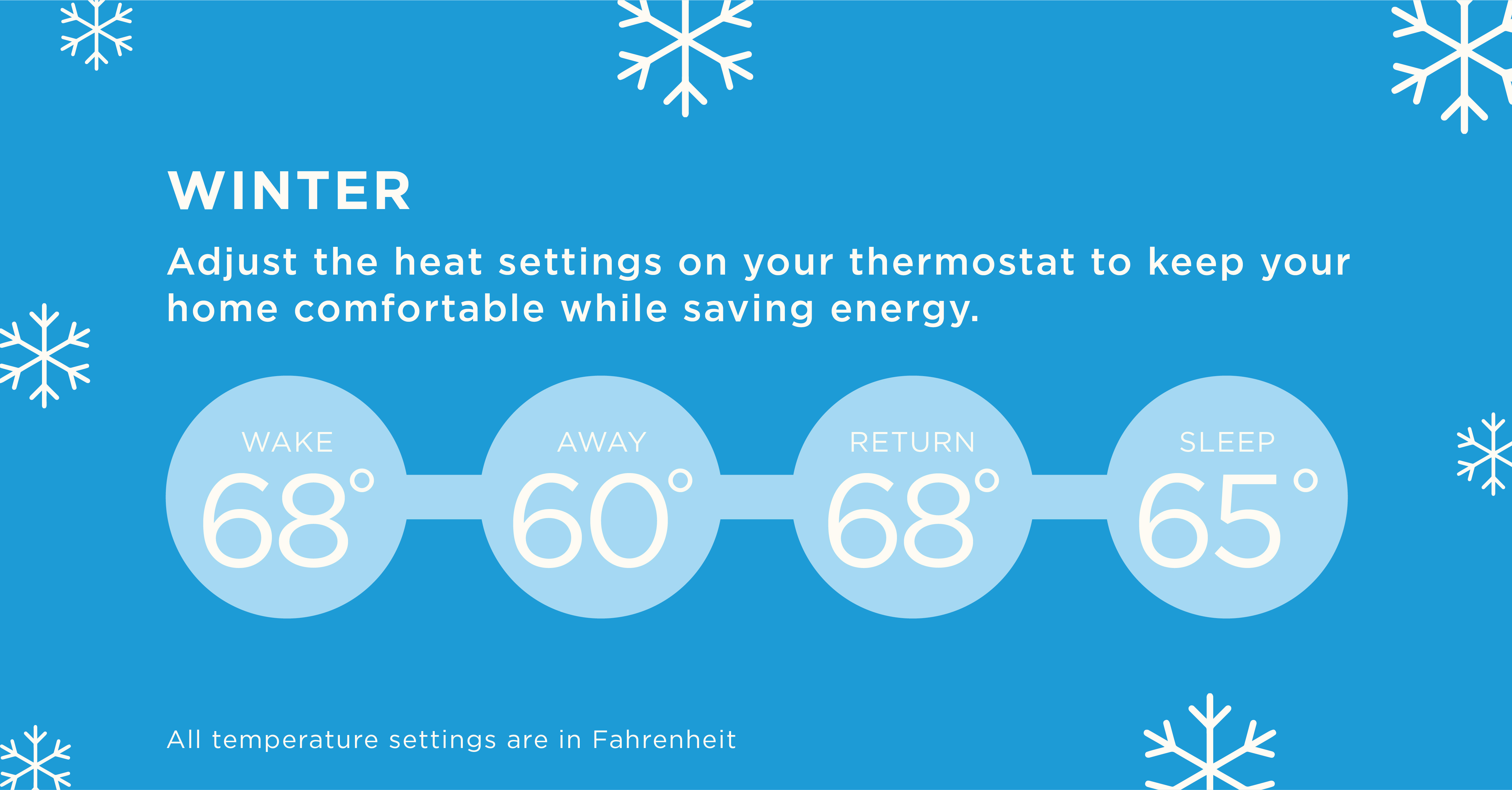
There isn't a single 'right' answer, of course. But experts generally agree that 68 to 72 degrees Fahrenheit (20 to 22 degrees Celsius) is a good starting point when you're home and awake. Think of it as the Goldilocks zone of home heating – just right for comfort and energy efficiency.
Why this range? Well, it allows most people to feel comfortable in typical indoor clothing. It's also a temperature that won't send your heating bills skyrocketing. Consider it your base camp for finding the perfect personalized comfort level.
Must Read
Nighttime Nests and Energy Savings
But what about when you're asleep? This is where things get interesting. Lowering the thermostat while you sleep can actually improve your sleep quality. Our bodies naturally cool down at night, and a cooler room – think 60 to 67 degrees Fahrenheit (15 to 19 degrees Celsius) – can help facilitate this process. This can lead to more restful sleep.
Plus, lowering the temperature even a few degrees while you're sleeping or away from home can lead to significant energy savings. The U.S. Department of Energy estimates you can save as much as 10% a year on your heating bill by turning your thermostat back 7-10 degrees Fahrenheit for eight hours a day. Think of the extra lattes you could buy with that savings!
Personal Preferences: The Cozy Factor
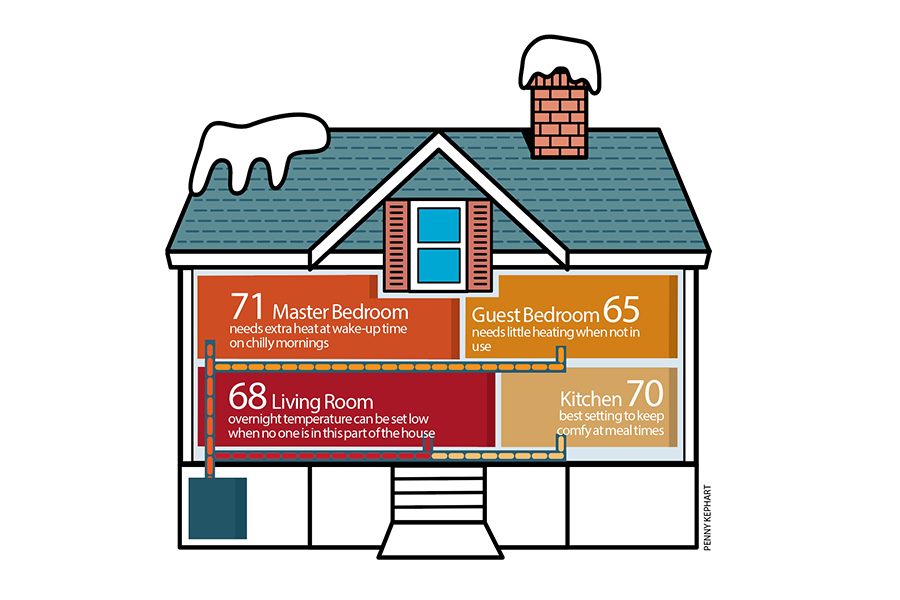
Ultimately, the ideal temperature is a deeply personal decision. Are you a perpetually cold person who layers sweaters even in July? Or do you tend to run warm and prefer a lighter touch with the thermostat? Consider your own body temperature preferences and adjust accordingly.
Other factors also play a role. Do you have young children or elderly family members living with you? They may require slightly warmer temperatures for comfort and health. Are you working from home and sitting still for extended periods? You might need to bump up the heat a degree or two to stay focused and productive.
Smart Tech and Layering Up: Practical Tips
Here are a few practical tips to help you navigate the winter temperature landscape:
- Invest in a programmable or smart thermostat: This allows you to automatically adjust the temperature throughout the day, maximizing energy savings without sacrificing comfort.
- Layer up: Instead of cranking up the heat, throw on a cozy sweater, socks, or even a blanket. Channel your inner Scandi and embrace the concept of "hygge."
- Use space heaters strategically: If you're only using one room, a space heater can be a more efficient way to warm that specific area rather than heating the entire house. But be careful! Always follow safety precautions and never leave space heaters unattended.
- Seal those drafts: Check for drafts around windows and doors. Use weather stripping or caulk to seal any gaps and prevent heat from escaping.
Cultural Quirks and Temperature Traditions
Did you know that different cultures have different temperature preferences? In some European countries, it's common to keep homes slightly cooler than in the United States. This is often due to a combination of energy conservation practices and cultural norms around layering clothing indoors.
Even within the U.S., regional differences exist. People in warmer climates may be more accustomed to lower indoor temperatures, while those in colder regions might prefer a warmer home environment.
A Final Thought: Finding Your Warm Embrace
Ultimately, finding the perfect winter temperature for your home is about balancing comfort, energy efficiency, and personal preferences. Experiment with different settings, pay attention to how your body feels, and don't be afraid to adjust as needed. After all, your home should be your warm embrace, a haven from the winter chill. So, find that sweet spot, brew a cup of hot cocoa, and settle in for a cozy winter season.