What Temperature Is Room Temperature
Ever found yourself reaching for a sweater on a seemingly mild day, only to hear someone else declare, "Oh, it's just room temperature!"? Or perhaps a recipe instructs you to bring butter to "room temperature," leaving you to wonder if your kitchen counter in summer is the same as in winter. It's a phrase we use all the time, but what exactly is room temperature? Let's dive into this surprisingly fascinating, universally relevant, and often debated concept that dictates so much of our daily comfort and routines.
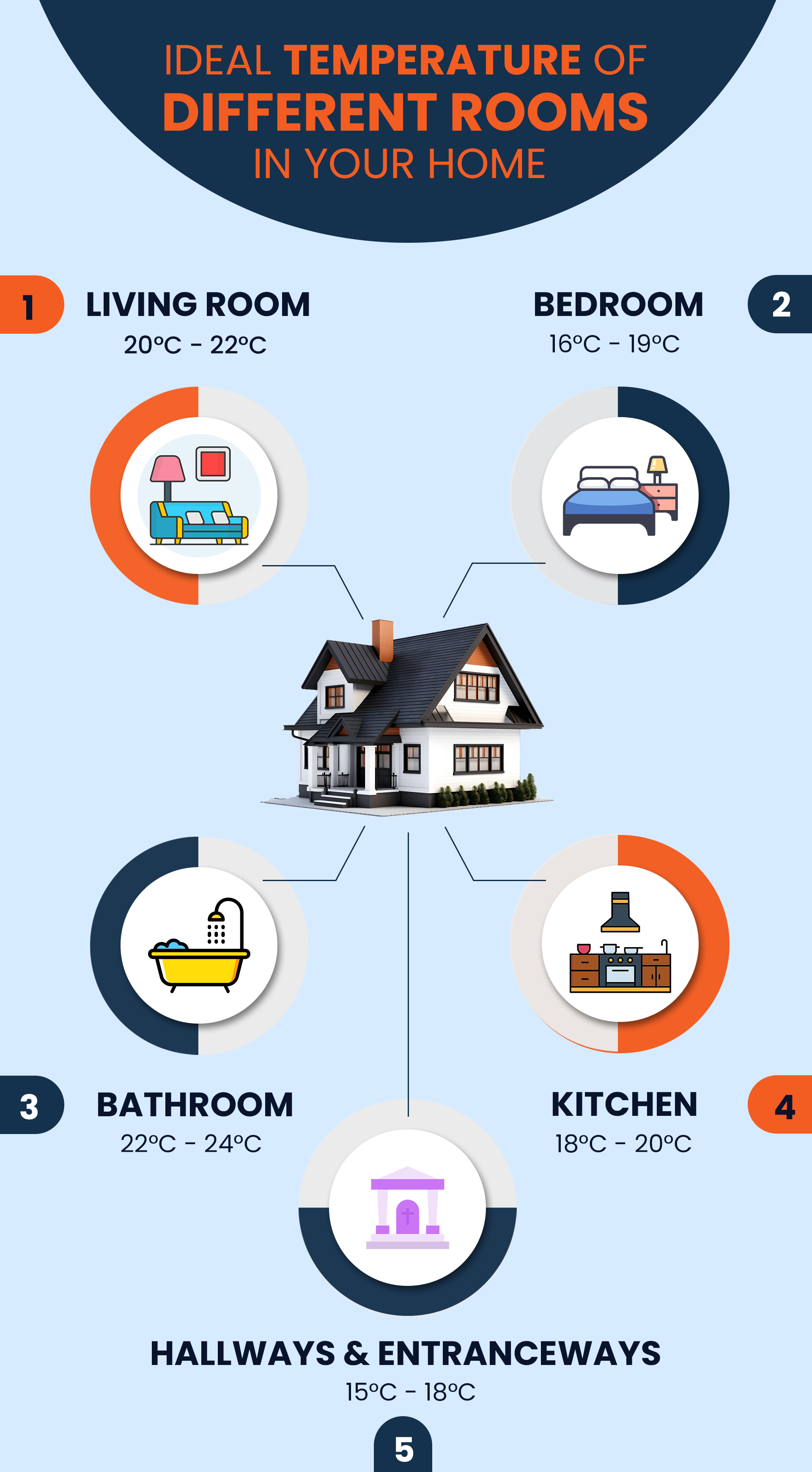
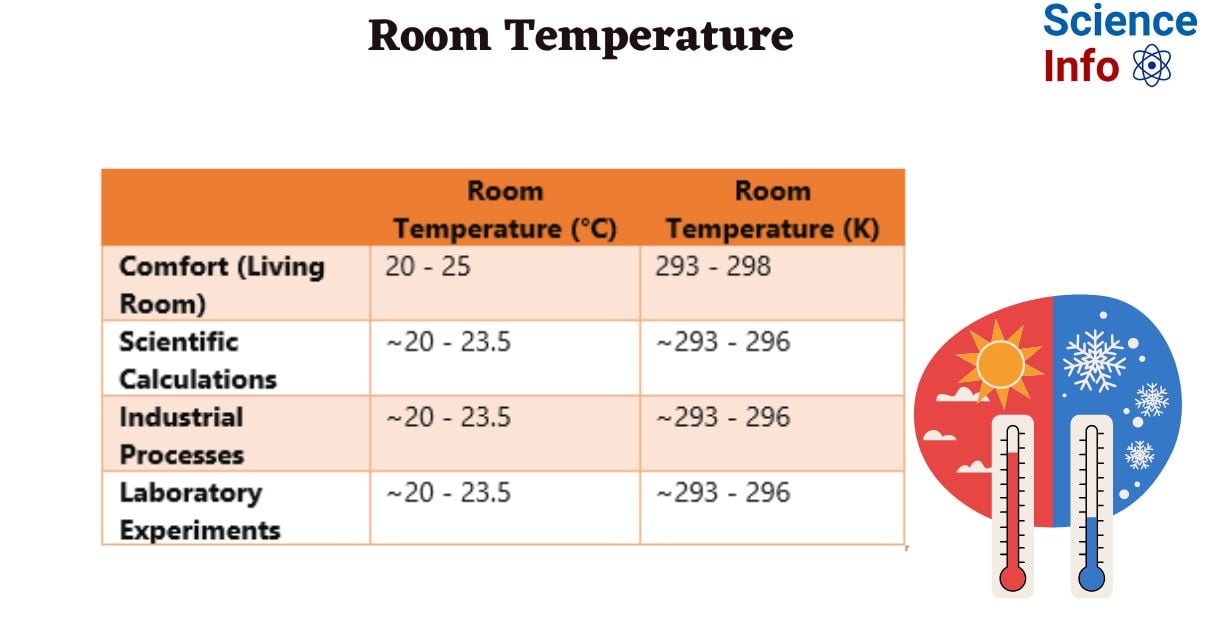
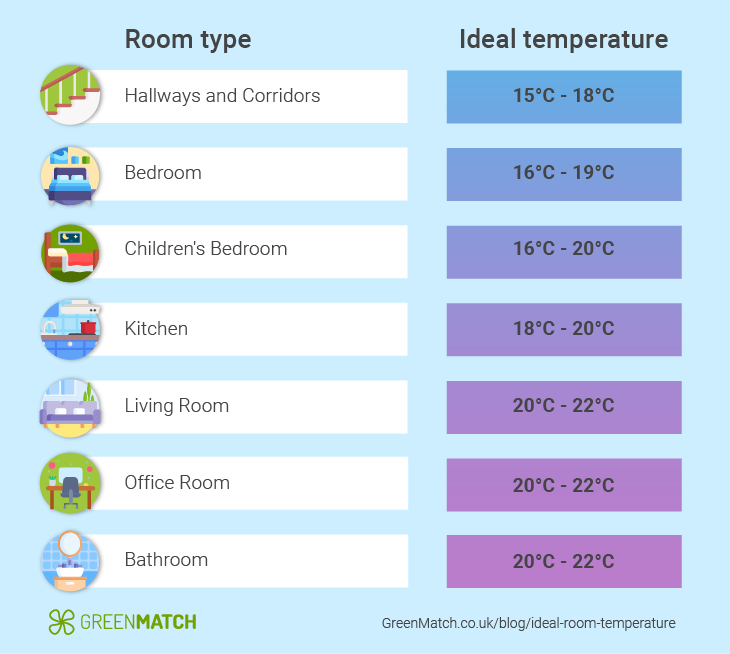
At its heart, "room temperature" serves as a kind of Goldilocks zone – a comfortable, moderate temperature that's neither too hot nor too cold for most people and many common processes. There isn't one single, universally agreed-upon number, which is part of its charm and challenge! Generally, it refers to the ambient temperature inside a building, usually between 20 to 22 degrees Celsius (68 to 72 degrees Fahrenheit). Its purpose is to provide a sensible baseline for comfort, safety, and consistency. For us humans, this range is typically where our bodies expend minimal energy to stay warm or cool, making it ideal for living and working. For products and scientific endeavors, it offers a stable, standard condition, ensuring experiments are repeatable and goods are stored optimally.
The utility of "room temperature" extends far beyond just personal comfort. In education, it's a fundamental concept taught in science classes. Think about biology experiments where bacteria need to grow at a specific "room temperature" to thrive, or chemistry labs where reactions are assumed to occur under these standard conditions unless otherwise specified. In daily life, its importance is everywhere. When you're baking, getting ingredients like eggs or butter to room temperature ensures they emulsify better, creating a smoother batter and a more consistent end product. Medicines often have storage instructions like "store at room temperature" to maintain their efficacy. Even common household items, from paint to electronics, often have optimal operating or storage temperatures that align closely with this comfortable range, protecting them from damage or degradation.
Must Read
So, how can you explore your own "room temperature" world? It's wonderfully simple! First, get yourself a basic indoor thermometer. Place it in different rooms throughout your home at various times of the day. You'll quickly notice that your room temperature isn't a fixed point but can fluctuate depending on sunlight, insulation, and even the number of people in the room. Pay attention to how your body feels at different readings. Is 20°C truly comfortable for you, or do you prefer it a bit warmer or cooler? You could also observe how different objects feel – a metal doorknob compared to a wooden table, both at the same "room temperature" – to explore the concept of thermal conductivity. By simply paying a little more attention to this everyday measurement, you'll gain a deeper appreciation for the subtle science that shapes our comfort and the world around us.