
What Temperature Is Below Freezing In Fahrenheit

Ever wondered what that magical number is that turns water into ice? Or perhaps you've found yourself staring at a weather forecast, a little unsure exactly how bone-chilling "below freezing" really is? Understanding freezing temperatures in Fahrenheit is more than just trivia; it's a practical piece of knowledge that helps us navigate our daily lives, from planning our outfits to protecting our homes.
The purpose of knowing the freezing point is simple: it helps us anticipate and prepare for potentially hazardous conditions. Whether it's preventing pipes from bursting in the winter, deciding if you need to de-ice your car, or simply knowing if it's a good day to wear your warmest coat, understanding freezing temperatures empowers us to make informed decisions.
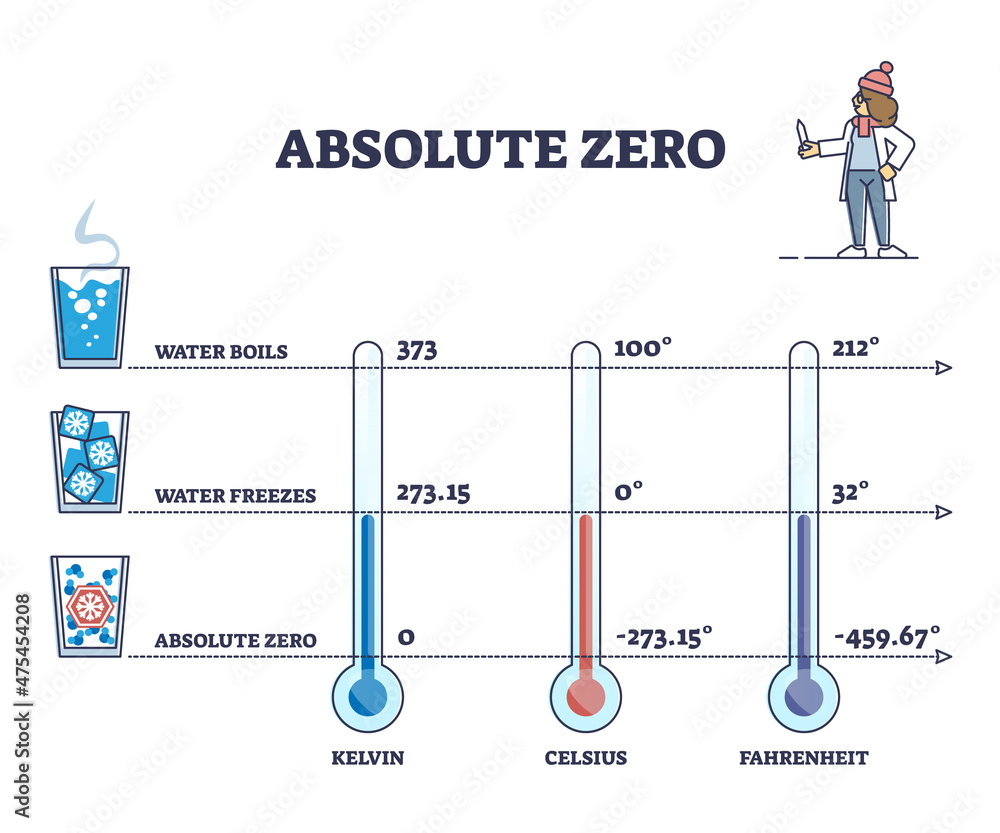
So, what's the magic number? 32 degrees Fahrenheit (32°F) is the freezing point of water. Anything below that, and you're officially in freezing territory! It's a simple fact, but its impact is surprisingly broad.
Must Read
In education, understanding freezing points is a fundamental concept in science classes. Students learn about the properties of water, phase transitions (solid, liquid, gas), and the effect of temperature on various substances. Experiments involving freezing and thawing demonstrate these concepts in a tangible and engaging way, making abstract ideas more concrete.
But the applications extend far beyond the classroom. Think about it: farmers need to know when to protect their crops from frost. Homeowners need to winterize their plumbing to prevent frozen pipes, which can lead to costly repairs. Even chefs need to understand freezing points when preparing frozen desserts or preserving food. Knowing that 32°F is the threshold for ice formation is critical in many different fields.

Here are some practical tips for exploring the concept of freezing temperatures:
- Observe the weather: Pay attention to the daily forecast and notice how temperatures near or below 32°F affect your environment. Do you see frost on the grass? Is there ice on puddles?
- Conduct a simple experiment: Fill a container with water and place it outside on a cold day. Monitor the temperature and observe when the water starts to freeze.
- Check your car's thermometer: Most modern cars display the outside temperature. Observe the readings as the temperature drops towards 32°F.
- Explore online resources: There are countless websites and apps that provide real-time temperature data and historical weather information.
Understanding freezing temperatures isn’t just about knowing a number; it’s about understanding the world around us and how temperature influences our lives. It’s a small piece of knowledge that opens up a broader understanding of science and empowers us to make informed decisions every day. So, next time you hear the forecast mention 32°F, remember the magic and the importance of this fundamental temperature threshold. And remember to bundle up!

![35 F to C Conversion: Temperature Guide [Easily Solved]](https://blog.certifiedmtp.com/wp-content/uploads/2024/06/6c201db9-72bb-46c6-96b3-41f43922d3e5.png)