What Temperature Do I Need To Cover My Plants

Isn't it fascinating how much we depend on plants? From the food on our plates to the air we breathe, they're absolutely essential. And if you're a gardener, even a casual one, you know the feeling of nurturing something green and watching it thrive. But sometimes, Mother Nature throws a curveball in the form of a sudden frost, and that's when knowing what temperature to cover your plants becomes crucial. It’s not just about protecting your investment (though that's definitely a part of it!); it's about understanding the delicate dance between plants and their environment.
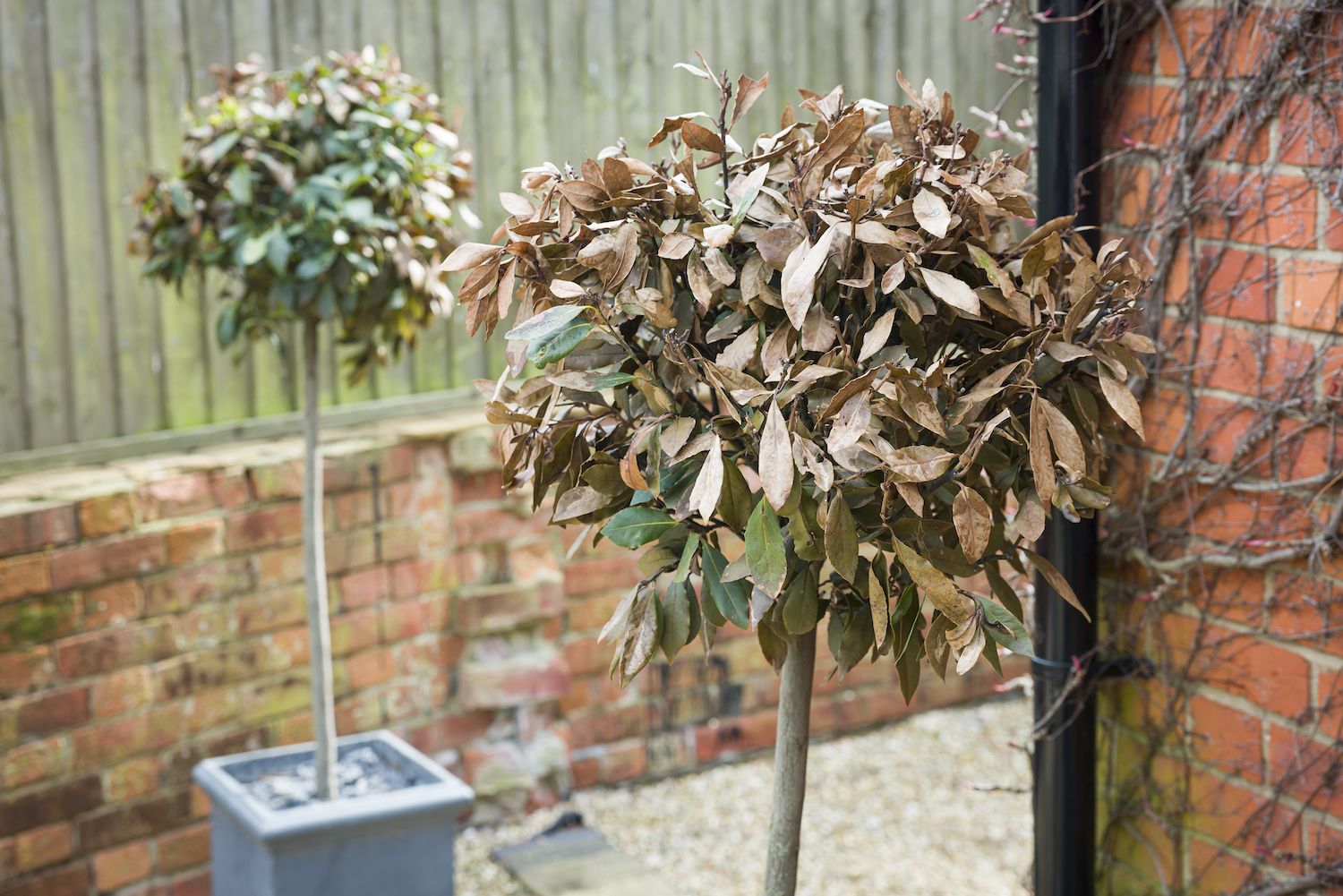
The main purpose of covering plants is to provide a protective barrier against freezing temperatures. When the mercury dips below freezing (32°F or 0°C), the water inside plant cells can freeze and expand. This can rupture the cell walls, leading to tissue damage, browning, wilting, and in severe cases, the death of the plant. Covering your plants effectively creates a mini-greenhouse effect, trapping the warmth radiating from the ground and preventing the cold air from directly contacting the foliage. The benefits are obvious: you get to enjoy a healthy, productive garden, whether it's overflowing with flowers, bursting with vegetables, or simply providing a peaceful green oasis. It’s about safeguarding your hard work and extending the growing season.
Knowing the danger zone is particularly useful in early spring and late fall when unpredictable frosts are common. In elementary schools, teachers might use this concept to illustrate how environmental factors impact living organisms. Students could track nighttime temperatures and learn to predict when plants need protection, fostering a hands-on understanding of biology. At home, this knowledge translates into practical action. Perhaps you're growing tomatoes, which are quite sensitive to cold. By knowing the forecast and understanding the critical temperature, you can cover them overnight and protect your harvest. Or maybe you have delicate flowering shrubs that you want to shield from frost damage to ensure a beautiful bloom in the spring. It's all about being proactive and informed.
Must Read
So, what's the magic number? While it varies depending on the plant species, a general rule of thumb is to start considering covering your plants when the temperature is predicted to drop below 35°F (2°C). However, some very sensitive plants, like tropicals, may need protection even at slightly higher temperatures. The key is to know your plants! Research the cold tolerance of the species you're growing. Local weather forecasts are your best friend. Pay attention to specific frost warnings. There are even apps available that can send you alerts when frost is predicted in your area.
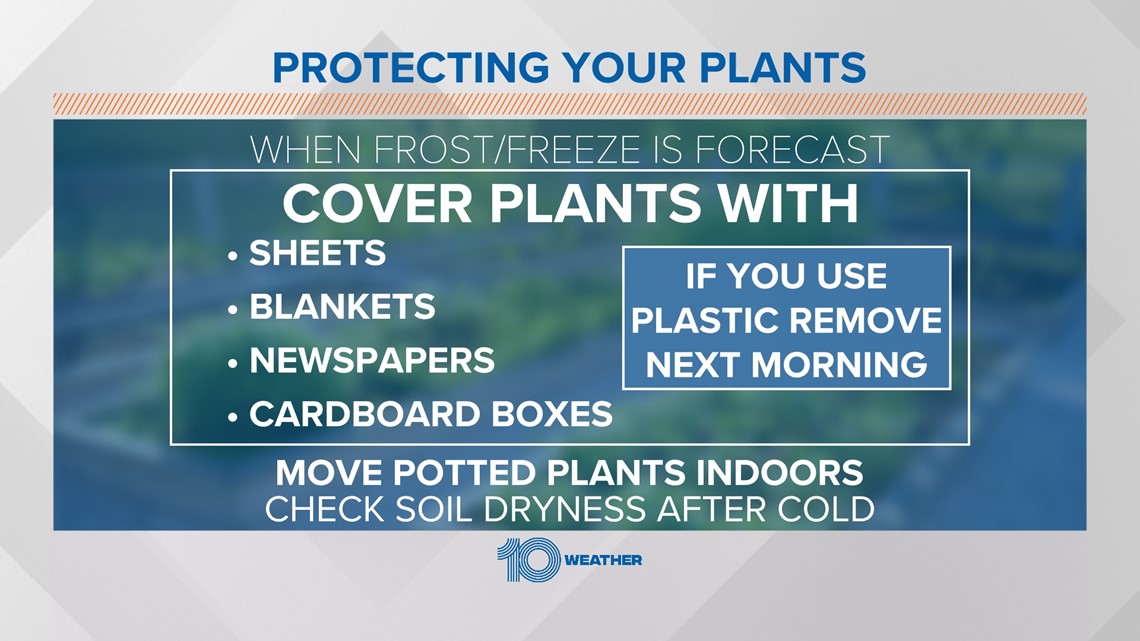
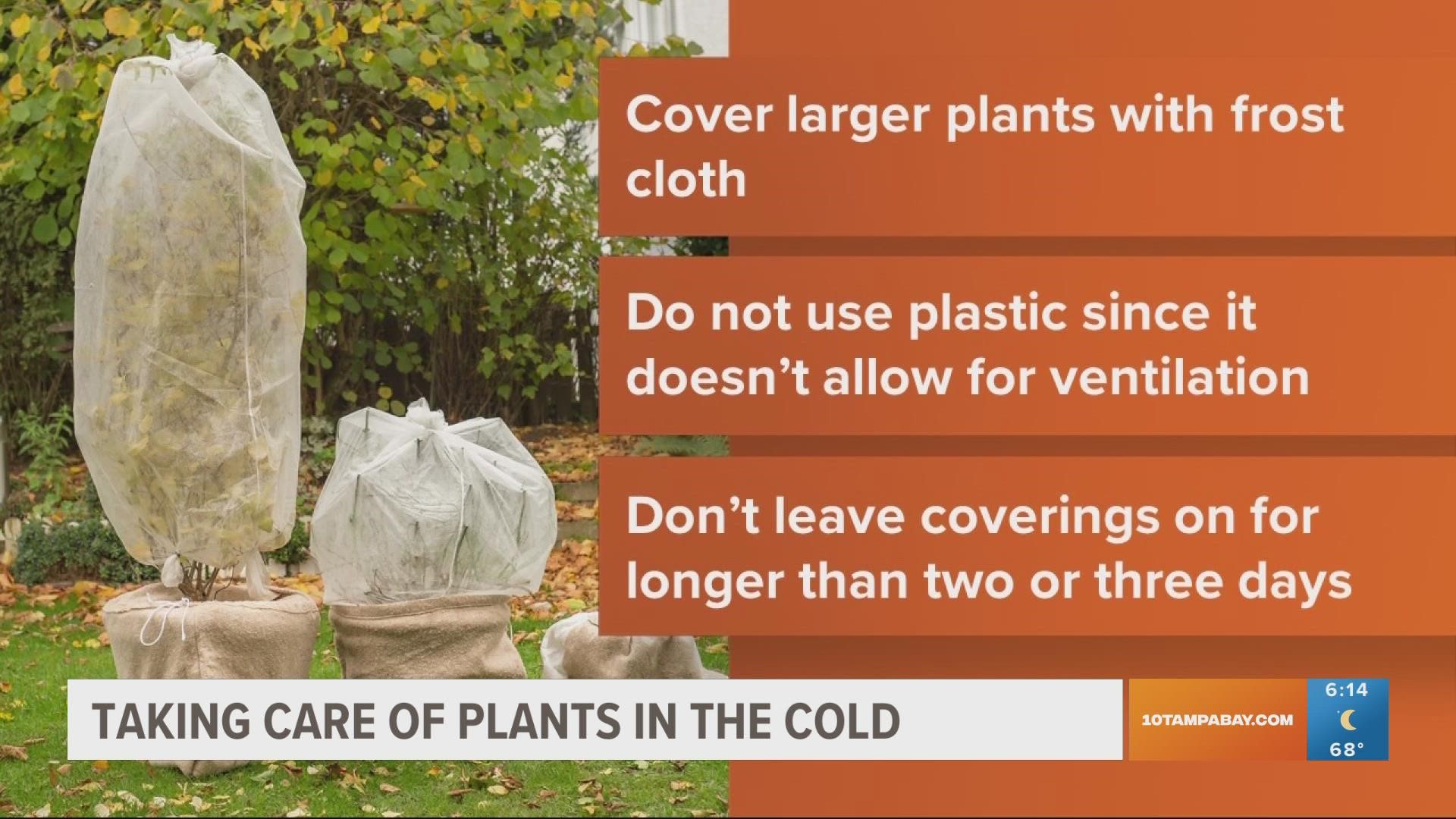
Exploring this topic can be surprisingly simple. Try a small experiment: place a thermometer both inside and outside of a covered plant on a cold night. See how much the cover actually raises the temperature. Experiment with different covering materials, like blankets, sheets, or specialized frost cloth, and observe which works best. Keep a gardening journal to track temperature, covering practices, and plant health. You might be surprised at how much you learn and how much more successful you become in protecting your precious plants. Remember, even a little bit of effort can make a big difference!