
What Temp To Leave House When Away In Summer
Okay, so you're jetting off for vacation. Sun, sand, and zero responsibilities await! But wait... a tiny voice whispers: what about the house?
Specifically, what temperature should you leave it at? It's a question that plagues even the most seasoned travelers. Fear not, my friend! Let’s dive into this wonderfully nerdy, slightly stressful topic.
The Great Thermostat Debate
The internet is buzzing with opinions. Seriously, it's a virtual thermostat war zone. One side shouts, "Go high! Save energy!" The other yells, "Go low! Protect your precious antiques!" Who's right? Well, it's complicated… and kinda fun.
Must Read
Think of your house as a very sensitive, four-walled creature. Too hot? It wilts. Too cold? It shivers (and might breed mold). You gotta find that sweet spot.
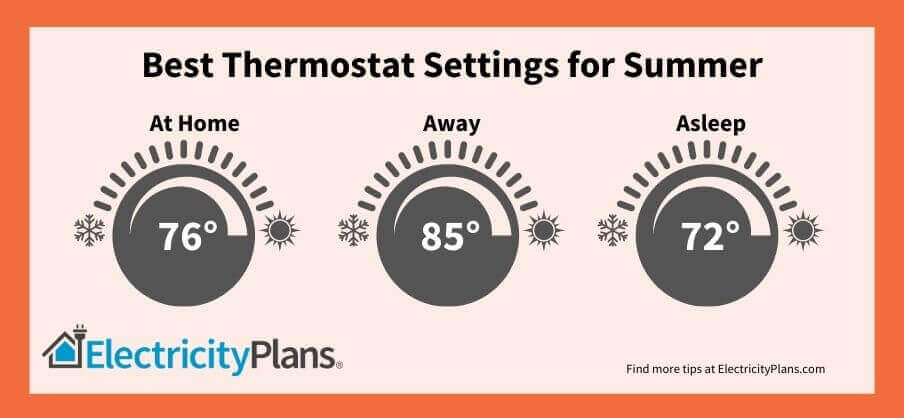
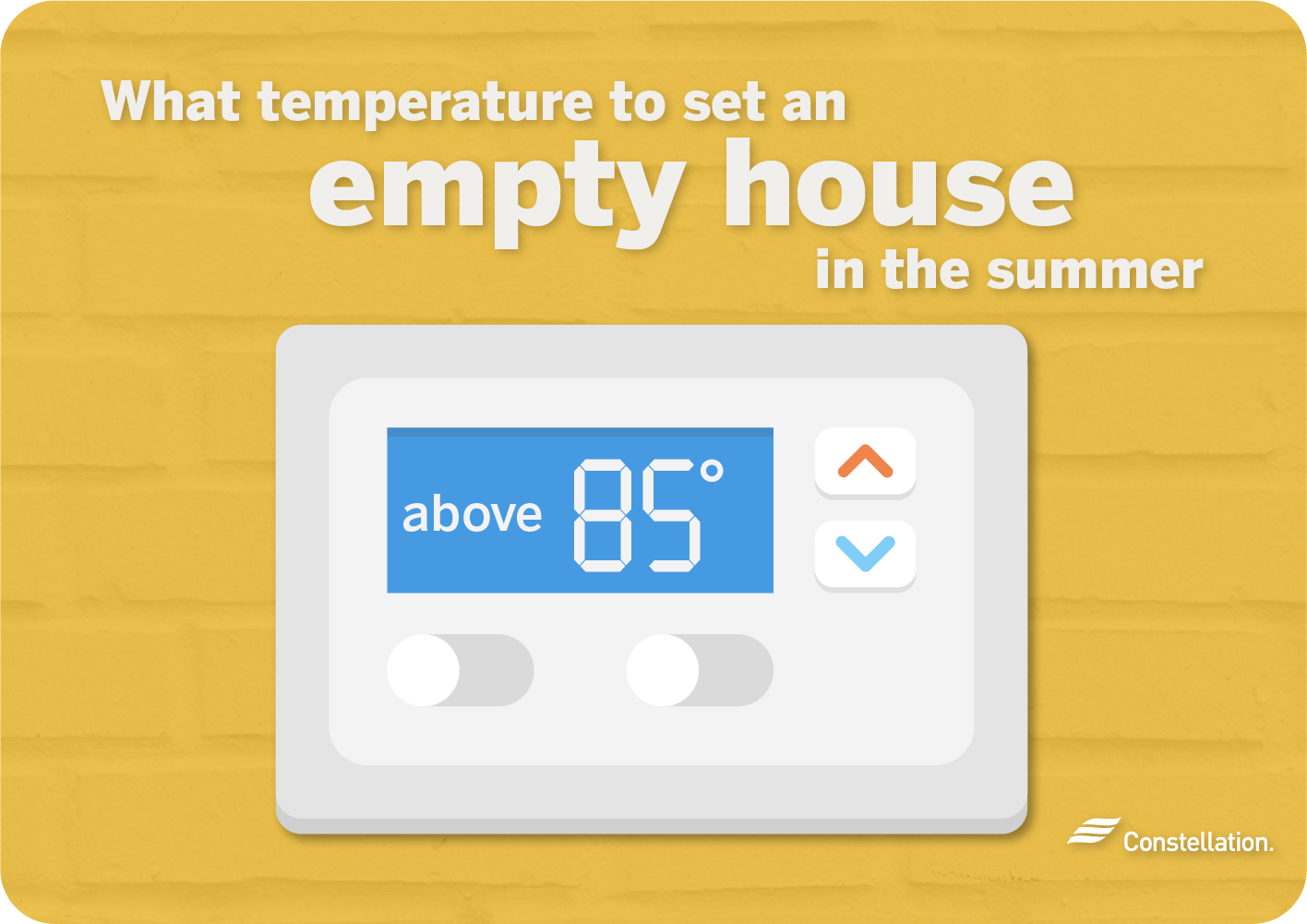
Generally speaking, 85°F (29°C) is considered a safe upper limit. But hold on! Before you crank that thermostat sky-high, let's consider the variables.
Why This Matters (Besides Energy Bills)
Okay, saving money on electricity is a major perk. We all love that! But there’s more to it.
Think about your stuff. Really think about it. Wooden furniture can warp, electronics can overheat, and that vinyl record collection? Meltdown city! (Literally. Vinyl melts. It’s not pretty.)
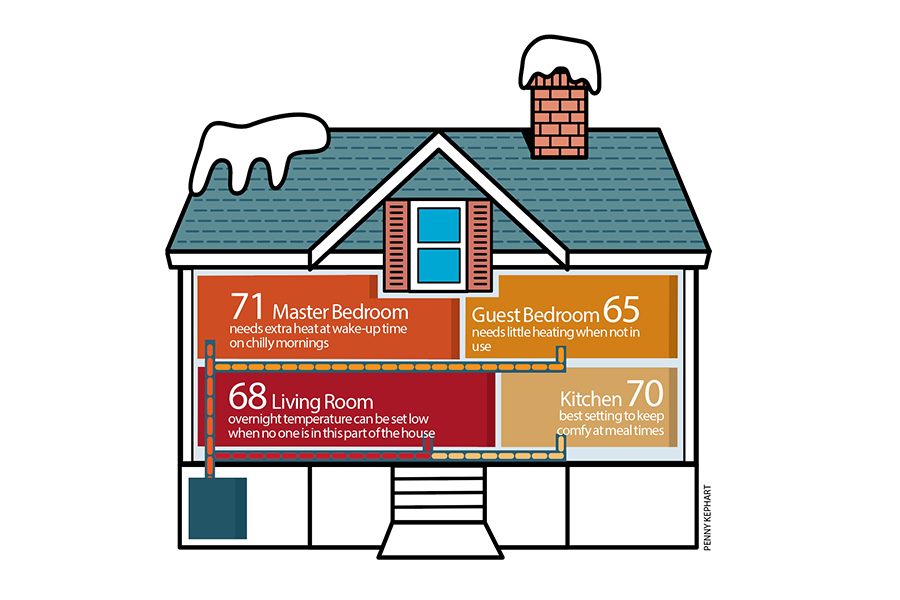
Did you know that humidity plays a huge role? High humidity plus high heat equals a recipe for mold and mildew. Yuck! So, even if you’re okay with a slightly warmer house, keep an eye on the humidity levels.
Consider this: termites LOVE warm, humid environments. Just sayin'. Maybe keep that thermostat a little lower. They'll thank you (by not eating your house).
The Case for Going High (But Not Too High!)
Leaving your thermostat at a higher temperature (like 85°F) can save energy. The logic is simple: your AC won't have to work as hard to maintain a cooler temperature while you're gone.
But here's the catch: a sudden heatwave can push your house temperature way beyond that 85°F mark. That’s when things get dicey. So, it's a calculated risk.

The sweet spot for many folks is somewhere between 78°F (26°C) and 80°F (27°C). It’s a compromise between energy savings and preventing your house from turning into a sauna.
The Case for Going Lower (But Be Careful!)
Some people swear by keeping their thermostats relatively low, even when they're away. The reasoning? Protecting valuable possessions and preventing humidity buildup.
However, going too low can also be problematic. If your house gets too cold, pipes can freeze (especially in older homes), and you might end up with a mold problem if the humidity is high.
Plus, your AC will have to work overtime to cool the house down when you return, negating any energy savings you might have achieved.

Smart Thermostats: Your Vacation BFF
Enter the smart thermostat! These little gadgets are game-changers. You can control your home's temperature remotely, monitor humidity levels, and even set schedules.
Imagine this: You're sipping a margarita on a beach in Mexico when you get an alert that your house temperature is creeping up. Boom! You can adjust the thermostat with a few taps on your phone. Instant peace of mind.
Smart thermostats are like having a tiny, temperature-obsessed robot watching over your house. And who doesn't want that?
The Funky Factors: Considering Your Unique Home
Every house is different. A modern, well-insulated home will behave very differently from a drafty Victorian mansion.
Consider these factors:
- Insulation: Good insulation keeps your house cooler in the summer and warmer in the winter.
- Windows: Old, leaky windows are energy vampires.
- Shade: Trees and awnings can significantly reduce solar heat gain.
- Location: Are you in a humid climate or a dry desert?
Think about your home's specific quirks. Does it get super hot in the afternoon? Does one room always feel colder than the others?
The Ultimate Answer (Kinda)
So, what's the magic number? Sadly, there's no one-size-fits-all answer. But here's a general guideline:
Aim for 78°F to 85°F (26°C to 29°C) as a starting point. Monitor your home's temperature and humidity levels, and adjust accordingly.
And remember, a little bit of common sense goes a long way. Don't be afraid to experiment and find what works best for your house. Now go enjoy that vacation!