
What Temp Should A Heater Be On

Ah, the humble thermostat. It sits there on the wall, often overlooked, yet it holds the power to transform our homes from frosty caverns to tropical paradises, or vice-versa. It’s the silent referee in many a household debate: too hot, too cold, just right?
We've all been there, hovering over the little display, wondering if turning it up or down by just one degree will unleash a cascade of comfort or a financial nightmare. This seemingly simple device sparks a universal question: what temperature should my heater actually be on?
The Great Temperature Mystery
Here’s the surprising truth: there isn't one magical, universally perfect temperature. It's not a scientific constant like the speed of light or the boiling point of water. Instead, it’s a delightful mix of personal preference, smart habits, and even a dash of intuition.
Must Read
Think of your home's warmth as a custom-tailored suit rather than a one-size-fits-all poncho. What feels like a cozy embrace to one person might feel like an unbearable sauna to another. This is where the fun begins!
The Cozy Comfort Zone
For most of us, during the day when we're awake and active, a temperature between 68-72°F (20-22°C) hits the sweet spot. It’s warm enough to keep you comfortable without feeling sluggish or overly warm. This range allows for easy movement and light layers.
It’s that ideal warmth that lets you curl up with a book, tackle chores, or work from home without a shiver or a bead of sweat. It's about feeling snug and productive, not trapped in a heatwave. This temperature often feels like a gentle, all-encompassing hug.
"It’s like wrapping yourself in a warm hug without feeling sticky, just perfectly pleasant."
This comfort zone also ensures your home isn't working overtime, which is a win for both your energy bill and the environment. Finding this happy medium can often prevent those classic household arguments.
The Sleepy Setting
Nighttime is a different beast entirely when it comes to heating. Our bodies naturally cool down as we prepare for sleep, and a cooler environment actually aids this process, leading to better rest. Many sleep experts recommend keeping your bedroom cooler, perhaps between 60-67°F (15-19°C).
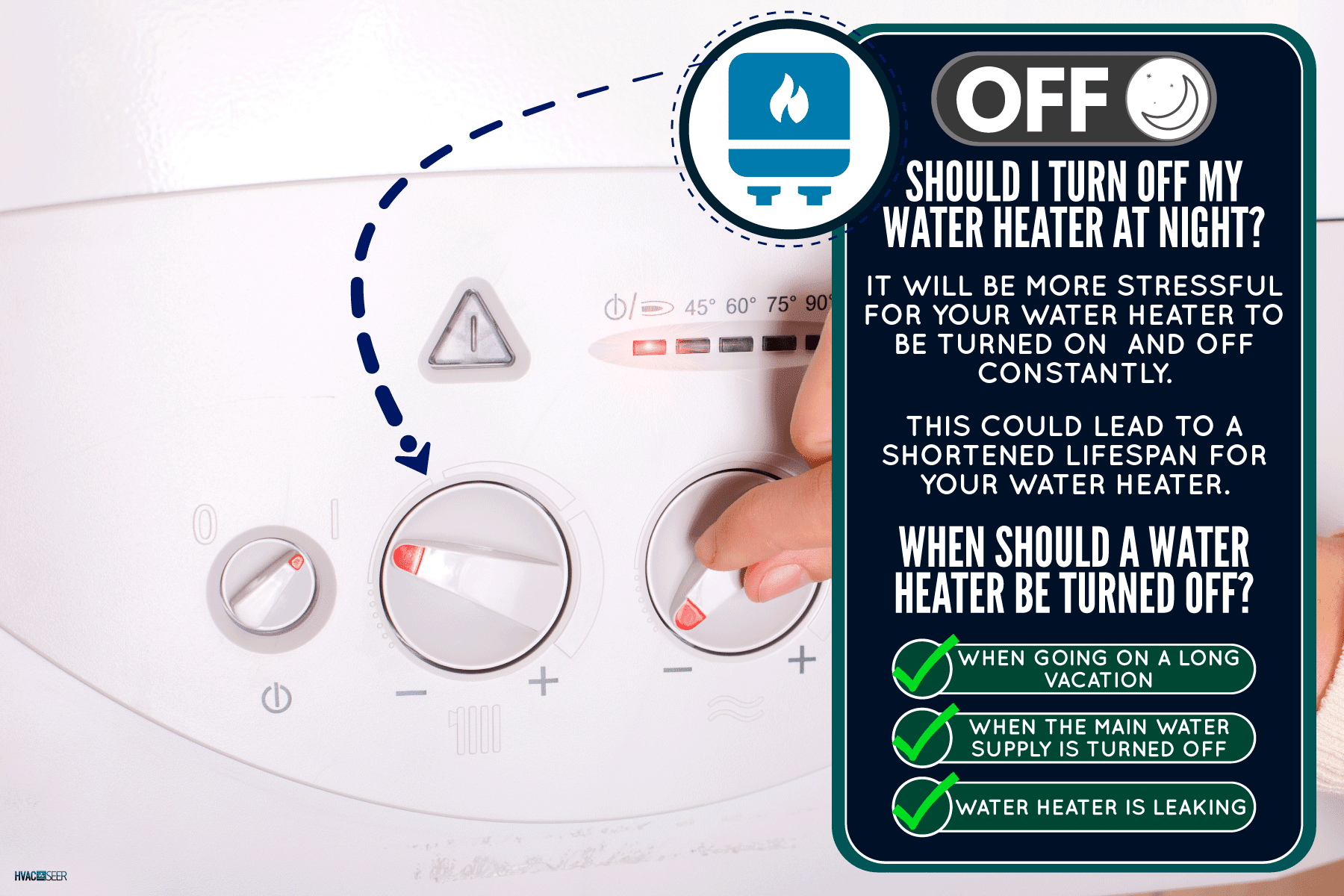
Imagine snuggling deep into your blankets, with just a hint of cool air kissing your face. This contrast is incredibly conducive to deep, restorative sleep. It’s a trick your body instinctively loves, though we often override it with too much heat.
"Cooler rooms invite the best dreams and the coziest blankets, transforming your sleep."
So, don't be afraid to dial down the heat before bedtime. You might be surprised at how much better you sleep and how much more refreshed you feel in the morning. Plus, it’s another opportunity to save a little energy without sacrificing comfort.
The Budget-Friendly Balance
Let's talk about our wallets for a moment, because heating costs can certainly add up. One of the simplest and most effective ways to save money is to be mindful of your thermostat settings. You don't need to freeze, just be smart.
A good rule of thumb is to set your thermostat around 68°F when you’re home and awake. Then, when you leave the house or go to sleep, drop it down by 7-10 degrees, perhaps to 60-62°F. This strategy can significantly reduce your heating bill.
Even small adjustments make a big difference over time. For example, simply turning your thermostat down by one degree can save you about 1-3% on your heating bill. Imagine the savings over a whole winter!
It’s less about feeling deprived and more about smart warmth management. You're heating your home efficiently, rather than just blasting heat into an empty space. This mindful approach can feel quite empowering.
For Our Furry Friends and Green Companions
Our beloved pets and houseplants also have a say in the matter, though they communicate their preferences a little differently. Ever noticed your cat stretched out in a sunbeam or your dog burrowed under a blanket? They too seek their optimal warmth!
Most household pets are comfortable in the same temperature range as humans, so if you're comfortable, they likely are too. However, avoid extremes; very high temperatures can be dangerous for pets, especially those with thick fur or certain health conditions. Keep an eye on their behavior for clues.
And what about our leafy friends? Your houseplants generally thrive in consistent temperatures, similar to our daytime comfort zone. They don’t appreciate sudden, drastic drops or excessively hot, dry air. A happy fern is indeed a sign of a well-regulated home.
"A happy fern is a sign of a well-regulated home, indeed, echoing comfort for all its inhabitants!"
So, when you're adjusting that dial, spare a thought for Fluffy, Fido, and that thriving Monstera in the corner. Their well-being adds another heartwarming layer to your home's ideal temperature.
The "Away From Home" Strategy
When you're out for the day, or away on a weekend adventure, there's absolutely no need to heat an empty house to your usual comfort level. This is a prime opportunity for significant energy savings without any personal discomfort.
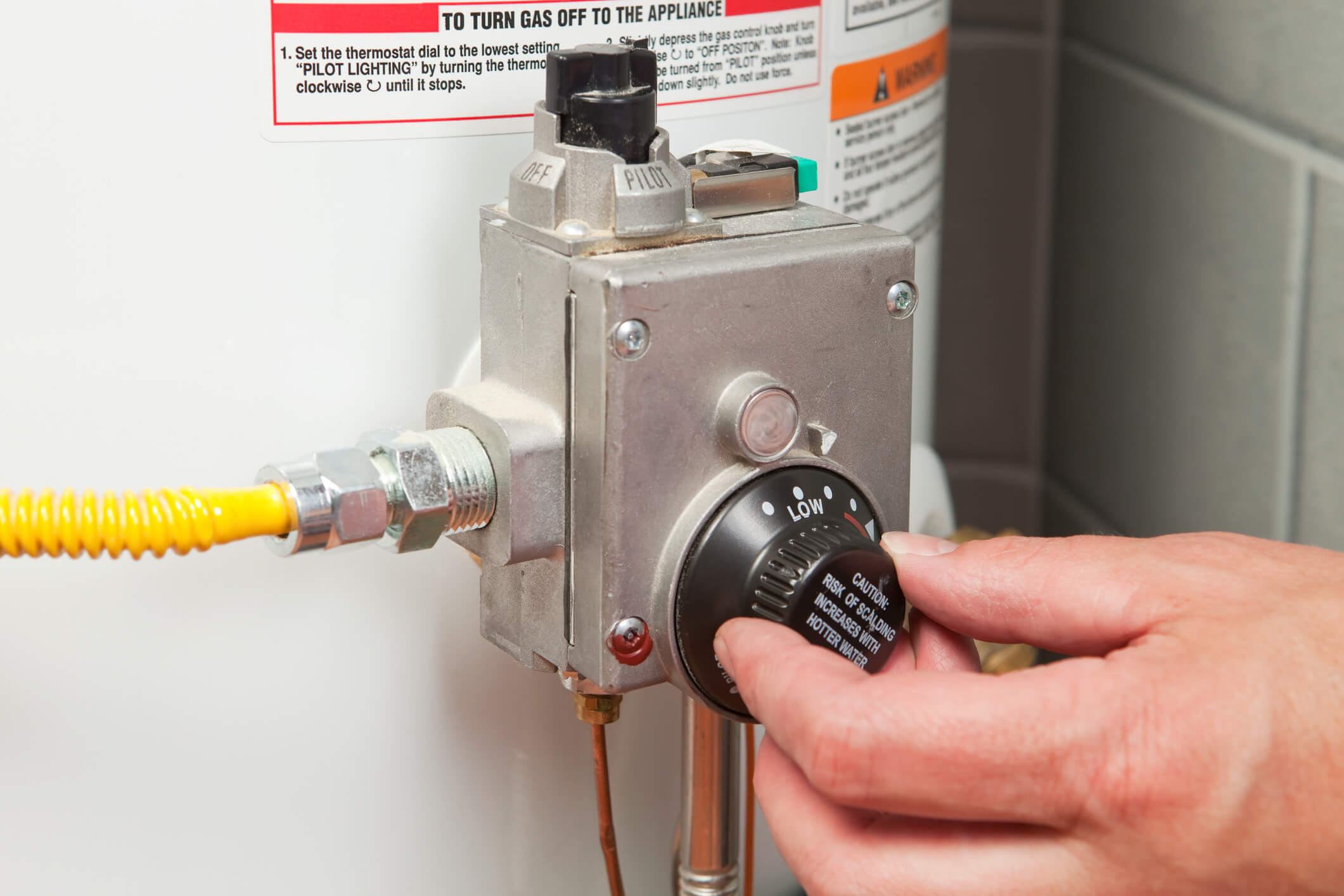
Set your thermostat considerably lower, perhaps between 55-60°F (13-16°C), when no one is home. This prevents your pipes from freezing in very cold weather and keeps the house from getting entirely frigid, but it saves a huge amount of energy.
Many modern thermostats even have programmable settings, allowing you to automatically adjust the temperature based on your schedule. This little gadget can become your best friend in the quest for efficiency and smart heating.
The Holiday Warmth
Sometimes, special occasions call for a slight deviation from the norm. During festive gatherings, like a holiday dinner or a family reunion, a slightly toastier home can contribute to the joyful atmosphere. This is where the heartwarming aspect really shines.
When the house is filled with loved ones, laughter, and maybe the aroma of delicious food, a temperature closer to 72°F can feel extra inviting and cozy. It's less about strict energy saving and more about creating a communal sense of warmth.
"A home filled with laughter and a gentle warmth just feels more like Christmas or a happy family gathering."
It's a temporary adjustment to enhance a special experience, much like putting on your favorite festive sweater. These moments are about cherishing company and creating lasting, warm memories, making the slight energy bump totally worth it.
The Great Family Thermostat Debate
Oh, the classic scene: one person in a t-shirt fanning themselves, while another is bundled in a blanket and complaining about the chill. This is the humorous, universal struggle of cohabitation when it comes to temperature control.
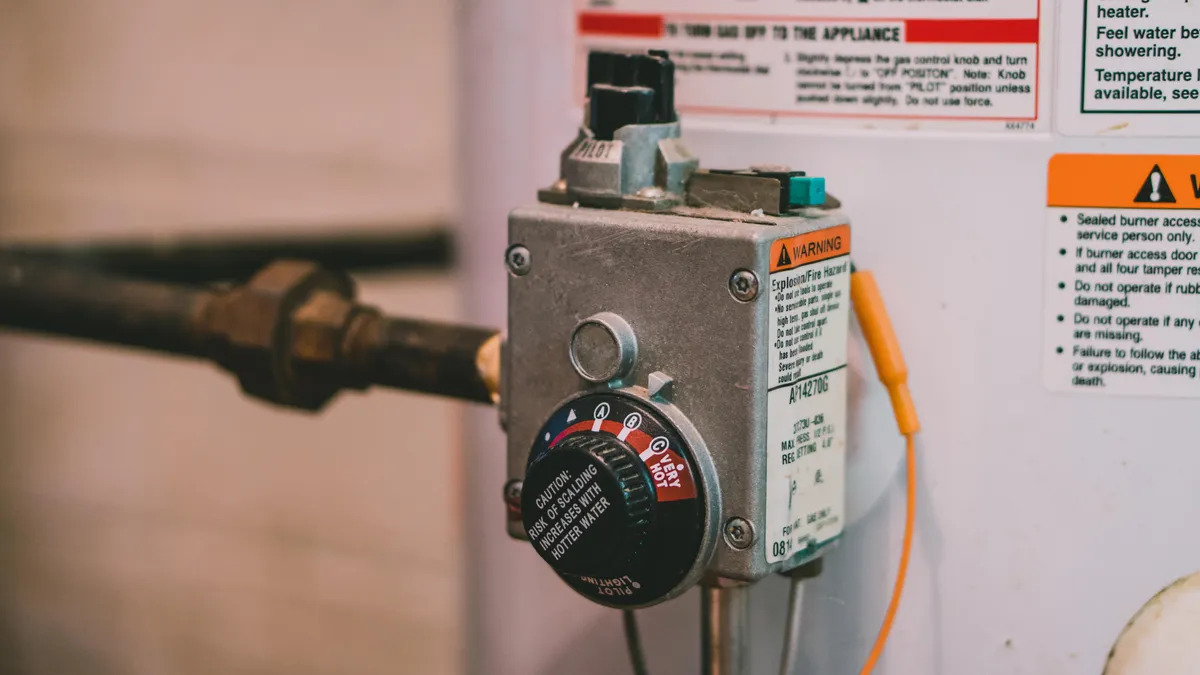
Finding the perfect middle ground in a multi-person household can be a delightful, ongoing challenge. Often, the answer lies not in finding one perfect temperature for everyone, but in a bit of compromise and clever layering.
Perhaps the Thermostat Tsar for the week gets to make the final call, or maybe everyone agrees to dress in layers. It's a testament to how personal warmth truly is, and a fun way to navigate shared spaces.
It's All About You (and a Little Common Sense)
So, there you have it: there’s no single, definitive answer to "what temp should a heater be on?" Instead, it’s a dynamic dance between your personal comfort, your desire to save energy, and a sprinkle of common sense. It’s a wonderful opportunity to customize your home’s ambiance.
Pay attention to how you feel, how your family feels, and what makes your home truly your cozy sanctuary. Remember to dress appropriately for the season indoors; a comfy sweater or a pair of fuzzy socks can be your best friends.
Experiment a little! Maybe you're a 68°F day person and a 62°F night owl. Or perhaps you embrace the slightly cooler vibe with plush throws and warm mugs of tea. The goal is to feel warm enough to relax, but not so hot you're dreaming of winter snow.
Adjust that dial with confidence, knowing you're creating the perfect warmth for your unique life. Your home is your haven, and its temperature should reflect that personal comfort. A happy heater setting truly does make for a happier home!