What Temp Does Glass Melt At

Have you ever looked at a beautiful glass sculpture, a sturdy windowpane, or even just an everyday bottle and wondered, "How on earth did they make that?" It's a pretty fascinating question, and at the heart of the answer lies one key process: melting glass! Understanding what temperature glass melts at isn't just for scientists or artists; it's a super cool piece of knowledge that helps us appreciate the world around us, from recycled bottles to intricate stained-glass windows.
This topic is surprisingly engaging for everyone! For curious beginners, it unlocks a basic understanding of material science and how seemingly rigid objects can be transformed. Imagine discussing with your kids how sand turns into that smooth, clear glass they drink from – it's a great little science lesson right there! For families, it sparks conversations about recycling (what happens to those glass jars?) and even safety around extreme heat. And for aspiring hobbyists, like those dreaming of making their own glass beads or fused art, knowing the melting points is absolutely fundamental. It's the first step on a journey into a vibrant and ancient craft.
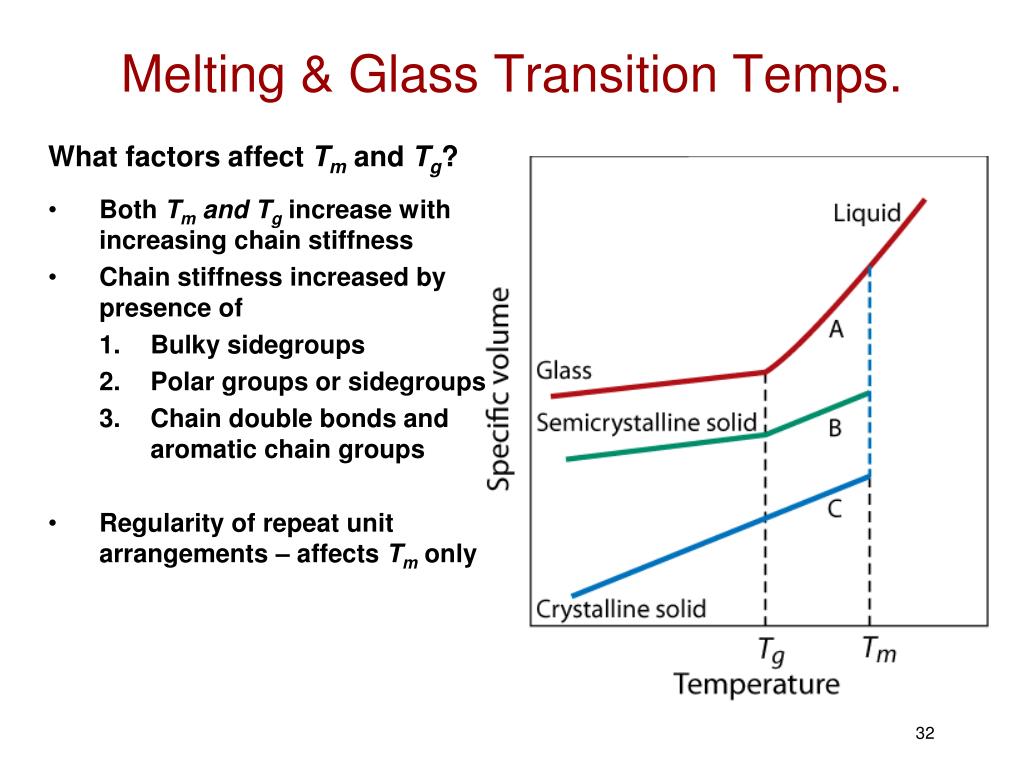
Now, here's a fun twist: glass doesn't melt quite like ice turning into water. Instead of a single, precise melting point, glass actually gets progressively softer over a range of temperatures until it becomes liquid enough to flow. Think of it like a very stiff taffy that gets gooier and gooier as it gets hotter. The exact temperature depends a lot on the type of glass you're talking about. For example, common soda-lime glass, which makes up most bottles and windowpanes, starts to soften around 700°C (about 1300°F) and becomes truly molten around 800°C (1500°F) or even higher, depending on its specific composition. But then you have borosilicate glass, famous for cookware like Pyrex and laboratory equipment, which needs a much higher heat, often softening around 800-1000°C (1500-1850°F) because it's designed to be more heat resistant. There’s even lead crystal, which has a lower softening point, making it easier for artists to cut and polish.
Must Read
So, how can you start exploring this amazing world? First off, safety is key – please don't try melting glass in your home oven! The temperatures required are far beyond what typical kitchen appliances can safely reach, and dangerous fumes can be released. Instead, for practical tips, we recommend starting small and safe: visit a local glass art studio! Many offer beginner workshops where you can learn to fuse glass (melting pieces together in a kiln) or even try lampworking (using a torch to melt and shape glass rods). Watch videos of glassblowers in action – it's mesmerizing! Or, simply start by observing the beautiful glass art in museums and galleries, appreciating the incredible transformation from solid to liquid and back again.
Understanding the melting point of glass opens up a whole new appreciation for this versatile material. From the sturdy clarity of your car windshield to the delicate beauty of a blown-glass ornament, it's all thanks to carefully controlled heat and the amazing properties of glass. It’s a fascinating blend of science and art that truly adds sparkle to our world!